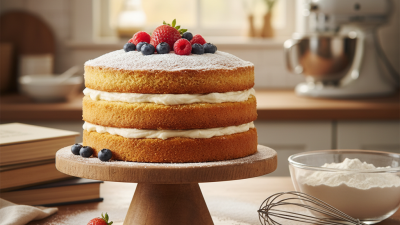
Top 10 Benefits of Using Cake Flour for Baking Cakes?
When baking a Cake Flour Cake, many experts emphasize the importance of using the right ingredients. Renowned pastry chef Sarah Johnson states, "Cake flour transforms your cake into a light, fluffy masterpiece." Her words resonate deeply with bakers seeking the perfect texture and flavor.
Cake flour is milled from soft wheat, making it a vital ingredient for achieving the ideal cake consistency. Its lower protein content results in a tender crumb, essential for cakes that melt in your mouth. However, not everyone is aware of its benefits. Some bakers stick to all-purpose flour, fearing the change. This hesitation can result in dense, heavy cakes.
Being open to change can lead to delightful discoveries. Using cake flour is a small adjustment, but it yields remarkable results. The airy structure provides stability, allowing for creative flavor additions. Embracing cake flour can enhance your baking game. It helps create cakes you can proudly share with loved ones.
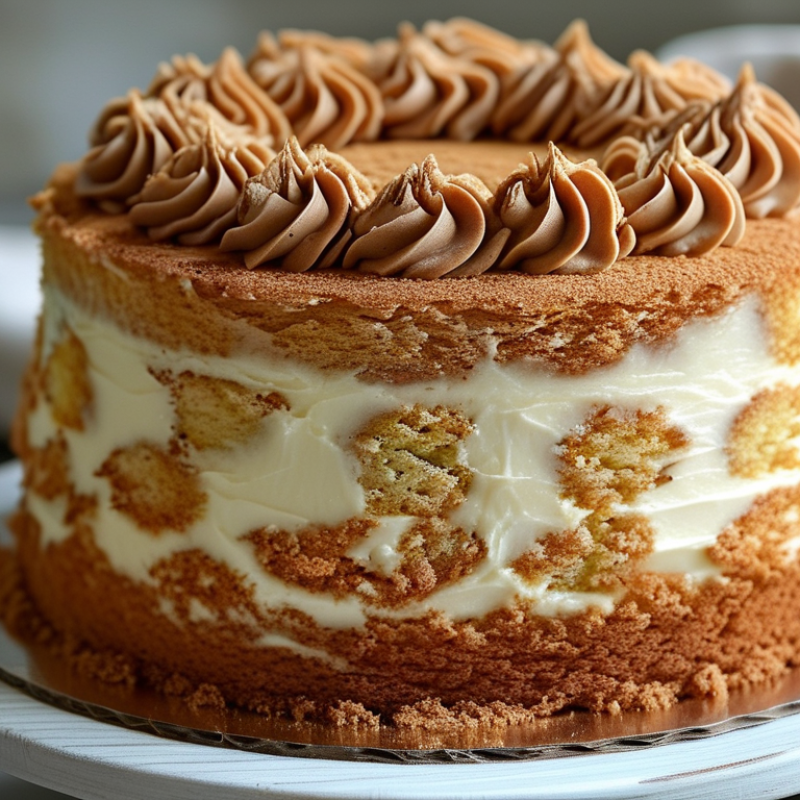
Understanding Cake Flour: What Sets It Apart from All-Purpose Flour
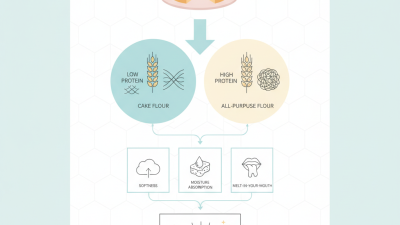
Cake flour is a unique ingredient that stands out from all-purpose flour due to its lower protein content. Typically, cake flour has about 7-9% protein, while all-purpose flour contains around 10-12%. This difference is crucial for baking. Lower protein means less gluten formation, resulting in cakes that are soft and tender. The fine texture of cake flour also contributes to a fluffier end product, perfect for delicate cakes.
When using cake flour, remember to adjust your measurements. If a recipe calls for all-purpose flour, use about 1 cup minus 2 tablespoons of cake flour instead. This small change can significantly impact the texture. Additionally, sift the cake flour before measuring. This ensures accurate measurement and helps avoid clumps in your batter.
Baking requires precision. Using cake flour may seem daunting, especially if you’re accustomed to all-purpose flour. However, the results are worth the effort. You might notice a difference in taste and texture. Don’t be afraid to experiment and reflect on what works best for you. With practice, you'll master the balance of ingredients for the perfect cake.
The Role of Cake Flour in Achieving Ideal Cake Texture and Crumb
Cake flour plays a vital role in creating the ideal cake texture and crumb. It is milled from soft wheat, which has a lower protein content. This results in a finer texture that leads to soft and fluffy cakes. High-protein flours can create a denser consistency, which may not be ideal for delicate desserts. When aiming for that perfect fluffy bite, cake flour should be your go-to choice.
For best results, remember to measure your flour correctly. Spoon it into your measuring cup lightly, then level it off. This helps avoid packing, which can lead to excess flour. Mixing the batter gently is another key step. Overmixing can develop gluten, resulting in a tougher texture. Instead, fold ingredients just until combined for a light crumb.
Do not be afraid to experiment with cake flour. Occasionally, you may find that mixing with some all-purpose flour achieves the balance you desire. Baking is an art, and sometimes adjustments can lead to delightful surprises. Monitor the baking time as well, since cake flour may result in a quicker bake. Whether you're aiming for a light chiffon or a rich chocolate cake, cake flour can help elevate your baking to a whole new level.
Enhanced Moisture Retention: Why Cake Flour Keeps Cakes Tender
When it comes to baking, using cake flour can dramatically enhance the texture of your cakes. One of the most significant benefits is its ability to retain moisture. Cake flour has a lower protein content than all-purpose flour, which means less gluten formation. This results in a softer, more tender crumb. Cakes made with cake flour often feel light and airy. This moisture retention is critical for achieving that perfect bite.
The science behind moisture retention lies in the starch content. Cake flour holds water more efficiently, which is vital during baking. As the cake bakes, it expands and rises, while the moisture keeps it tender. If you've ever baked a cake that turned out dry, it may be due to using the wrong flour. You might reflect on those baking experiences and consider the role flour plays in the final product.
However, using cake flour isn’t always foolproof. Sometimes, cakes may still turn out dense if the mixing technique isn't correct. A gentle hand is essential to avoid overmixing, which can lead to unwanted gluten development, negating the benefits of cake flour. Each baking venture is a learning opportunity, and adapting techniques can lead to surprising and delightful outcomes.
The Impact of Lower Protein Content on Baking Performance
When it comes to baking cakes, ingredient selection can make all the difference. Cake flour stands out due to its lower protein content, generally around 8-9%. This feature is significant because lower protein results in less gluten formation. Gluten is what gives bread its chewy texture, but for cakes, we desire a tender crumb. A cake made with cake flour often rises beautifully and has a soft, delicate texture.
Using cake flour allows for a smoother batter, reducing the risk of over-mixing. This means your cakes will be less likely to turn out dense. The reduced protein content also contributes to a finer, lighter crumb. Imagine slicing into a cake that feels airy and moist rather than heavy. Yet, there’s a caveat: cake flour can sometimes produce a cake that lacks structure if used improperly. Adjustments in moisture and baking time are essential to achieve the ideal balance.
Experimenting with cake flour can lead to delightful surprises. It may require a few tries to perfect the technique. It’s not just about the flour; it’s also about understanding how it interacts with other ingredients. Each oven behaves differently, further complicating the baking process. The key is to learn and adapt as you go, turning every baking session into a chance for improvement.
Top 10 Benefits of Using Cake Flour for Baking Cakes
This chart illustrates the top 10 benefits of using cake flour when baking cakes, highlighting the advantages such as texture, rise, and moisture retention. Each benefit is rated on a scale of 10, showcasing the crucial impact of lower protein content on baking performance.
Tips for Substituting Cake Flour in Recipes and Baking Techniques
When substituting cake flour in recipes, it’s essential to understand its unique properties. Cake flour has a lower protein content than all-purpose flour, usually around 7-9%. This lower protein level contributes to a tender crumb in cakes. However, if you can’t find cake flour, it's possible to make your own substitute. Simply combine one cup of all-purpose flour with two tablespoons of cornstarch. This mixture mimics the fine texture and helps achieve a light, fluffy result.
Bakers must adjust their techniques when using a substitute. Overmixing can lead to dense cakes. Opt for gentle folding methods when incorporating wet and dry ingredients. In a study published by the American Society of Baking, it was found that precise mixing and using the right flour can increase cake volume by up to 20%. Be mindful of the baking time as well; slight adjustments may be necessary. Monitoring the cake’s rise and color is critical in achieving the desired outcome.
Lastly, remember that atmosphere matters. Humidity and temperature affect flour performance. Professional bakers recommend weighing your flour for the most accurate results. It's worth noting that even minor changes, like switching flours, can lead to varying results. Baking is both an art and a science, and experimenting remains key in mastering cake creation.
Top 10 Benefits of Using Cake Flour for Baking Cakes
| Benefit |
Description |
| Tenderness |
Cake flour has a lower protein content which helps create a softer and more tender crumb. |
| Lightness |
The fine texture and lower gluten development contribute to a lighter cake structure. |
| Moisture Retention |
Cake flour can help cakes retain moisture better, keeping them fresher longer. |
| Customizable |
It allows bakers to create a variety of textures and flavors due to its low protein level. |
| Improved Crumb Structure |
Helps in forming a finer and more uniform crumb structure for cakes. |
| Better Rise |
The right balance of starch and protein supports better leavening for a higher rise. |
| Easy to Work With |
Its fine texture makes it easy to mix with other ingredients, resulting in a smooth batter. |
| Suitable for Various Recipes |
Great for various cake types like sponge cakes, layered cakes, and more. |
| Versatile Use |
Can also be used in pancakes, cookies, and muffins for added tenderness. |
| Aesthetic Appeal |
Produces visually appealing cakes due to its fine texture and even baking. |