Leave Your Message
- Phone
- E-mail
- Whatsapp
- Wechat

-

-

-

-

China’s leading Fried Baked Scallion Pancake manufacturers serve a growing market for convenient, layered food products. Their value is not measured by price alone. It depends on dough quality, scallion freshness, cooking consistency, food safety, and dependable delivery.
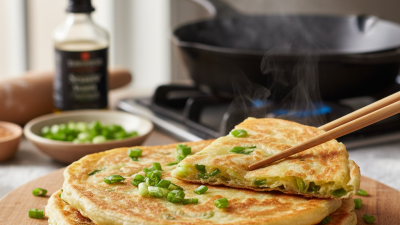
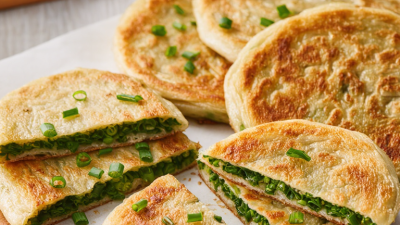
A well-made pancake should show distinct layers, a crisp golden surface, and a tender center. When heated, it should release a light roasted aroma without excessive oil. These details matter to restaurants, retailers, caterers, and frozen-food distributors. They also reveal how carefully a factory manages mixing, rolling, filling, freezing, and packaging.
This guide introduces practical ways to evaluate manufacturers in China. It considers production capacity, ingredient sourcing, hygiene controls, certifications, private-label support, minimum order quantities, and export experience. Reliable suppliers should provide clear specifications, production samples, shelf-life data, and storage instructions. Factory audits and independent testing can add confidence.
However, “top” is not a fixed label. A large factory may offer strong output but limited customization. A smaller producer may create better textures but struggle with delivery volume. Buyers should compare evidence instead of trusting polished claims. Product trials are essential.
Taste can change after freezing.
The review also recognizes an imperfect reality. Crispness may decline during transport, and regional preferences can affect seasoning. Packaging protects quality, yet it cannot correct weak dough preparation. By examining these practical strengths and limitations, buyers can make more informed decisions and build safer, longer-term partnerships with suitable Fried Baked Scallion Pancake manufacturers.
China Top Fried Baked Scallion Pancake Manufacturers
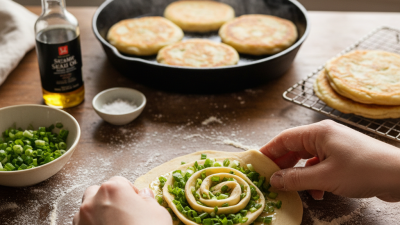
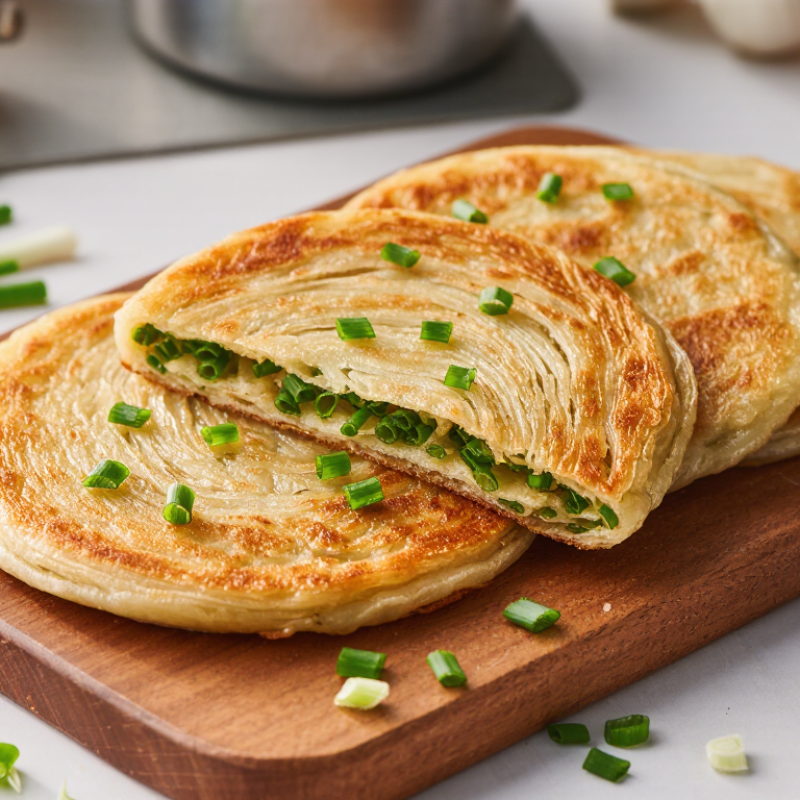
Fried and baked scallion pancakes are layered wheat pastries filled with scallions and cooking oil. Their texture comes from repeated folding, rolling, and controlled heat. Fried versions develop a crisp, blistered surface in a pan or fryer. Baked versions use an oven and usually require less surface oil. Both products can offer flaky layers, a savory aroma, and convenient preparation for foodservice or retail.
Reliable manufacturers control dough hydration, scallion distribution, thickness, and cooking temperature. These details affect bite quality and prevent raw centers or burnt edges. Production teams should also monitor ingredient freshness, allergen information, batch consistency, and hygienic handling. Frozen products need stable freezing and sealed packaging. Small changes in flour or oil can alter the final texture. That is easy to underestimate.
Tips: Ask for cooking instructions based on your equipment. Check whether the pancake is fully cooked or requires pan, oven, or air-fryer heating. Request samples with different thicknesses and oil levels. A crispier crust is not always better. Excessive browning may hide a dry interior, so tasting should include both texture and aroma. Manufacturers with clear specifications, traceable batches, and practical sample feedback are usually easier to evaluate. Keep expectations realistic; handmade-looking layers may vary slightly between batches.
| Product Dimension | Fried Scallion Pancake | Baked Scallion Pancake | Product Overview |
|---|---|---|---|
| Definition | A layered wheat-flour flatbread cooked directly on a pan or griddle with edible oil. | A layered wheat-flour flatbread finished in an oven, usually with less surface oil than the pan-fried version. | Both products are commonly made with wheat flour, water, salt, cooking oil or shortening, and chopped scallions. |
| Main Cooking Equipment | Flat pan, skillet, griddle, or commercial hot plate. | Deck oven, convection oven, tunnel oven, or other suitable baking equipment. | Equipment selection affects browning, throughput, moisture loss, and final texture. |
| Typical Surface Appearance | Golden-brown, glossy, and lightly blistered when sufficient oil and heat are used. | Golden to light-brown with a comparatively drier and more matte surface. | Color depends on dough formulation, oven or pan temperature, cooking time, and browning ingredients. |
| Texture | Crisp or flaky outside with a soft, chewy, and layered interior. | Crisp or firm outside with a soft layered center; the result can be less oily. | Layer formation is created by rolling, folding, coiling, and resting the dough before final cooking. |
| Oil Requirement | Generally requires oil on the cooking surface and may also contain oil between dough layers. | Usually uses oil or shortening in the dough or layers, while the baking surface may require little or no added oil. | Actual fat content varies by recipe, serving size, and manufacturing process. |
| Scallion Distribution | Fresh scallions are commonly spread between dough layers before pan cooking. | Fresh or dehydrated scallions may be incorporated between layers or mixed into the dough. | Scallion quantity and cut size influence aroma, moisture, and visual distribution. |
| Common Product Form | Fresh-to-cook or frozen discs designed for pan or griddle preparation. | Fresh or frozen discs, pre-baked products, or partially baked products for final heating. | Commercial specifications may include diameter, thickness, piece weight, cooking state, and packaging format. |
| Preparation Method | Cook from fresh or frozen until the layers are heated through and the surface is browned. | Bake from fresh, chilled, or frozen according to the product specification and equipment conditions. | Cooking instructions should be validated for the specific dough thickness and frozen or chilled state. |
| Flavor Profile | Toasty, savory, and scallion-forward, with a richer fried aroma. | Savory and aromatic, with a cleaner baked flavor and noticeable wheat and scallion notes. | Salt level, scallion intensity, oil type, and browning level are key sensory attributes. |
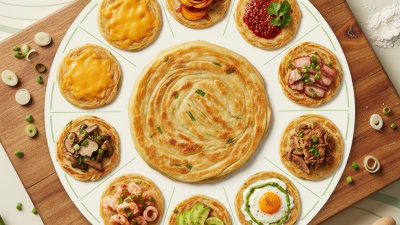
| Typical Serving Uses | Breakfast, snack, street-food service, side dish, or accompaniment for savory meals. | Breakfast, snack, catering, foodservice, retail frozen-food preparation, or quick meals. | May be served plain or with sauces, eggs, vegetables, meat, or other savory fillings. |
| Storage Considerations | Fresh products require short-term chilled storage; frozen products require continuous frozen storage. | Storage requirements depend on whether the product is fresh, chilled, partially baked, or frozen. | Packaging should protect against moisture migration, freezer burn, contamination, and physical damage. |
| Key Quality Indicators | Even browning, distinct layers, crisp exterior, flexible interior, fresh scallion aroma, and no excessive oiliness. | Even baking, intact layers, balanced moisture, crisp or firm exterior, and no burnt areas. | Products should be evaluated for appearance, texture, flavor, food safety, packaging integrity, and consistency. |
| Best-Fit Market Positioning | Traditional, indulgent, freshly cooked, and highly suitable for pan-service applications. | Convenient, oven-friendly, and suitable for foodservice or consumers seeking a less pan-intensive preparation method. | The appropriate product depends on target cuisine, equipment, labor model, packaging, and desired eating quality. |
Note: Product characteristics may vary according to flour type, hydration, layering technique, oil or shortening level, scallion formulation, cooking equipment, and storage conditions.