2026 How to Make Delicious Potato Pancakes at Home?
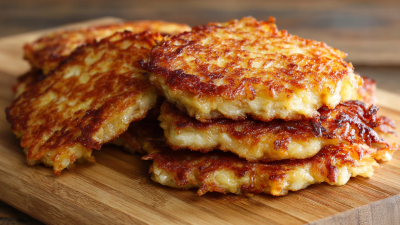
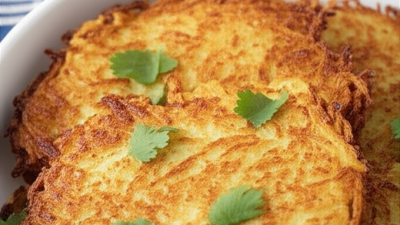
Potato pancakes are a delightful treat enjoyed around the world. These crispy, golden discs bring comfort and joy to many. Making them at home is simple yet requires attention to detail.
Gather fresh ingredients like potatoes, onions, and eggs. Their quality can make a significant difference in taste. Grating potatoes can be messy, and it's easy to overlook some steps. A mistake in seasoning may lead to bland results.
The process involves mixing, forming, and frying. Each step is crucial for that perfect crunch. Experimenting can lead to flavorful variations or unexpected failures. Don't stress about achieving perfection; even imperfect potato pancakes can be delicious. The experience is all about enjoying the journey.
Ingredients Needed for Making Potato Pancakes
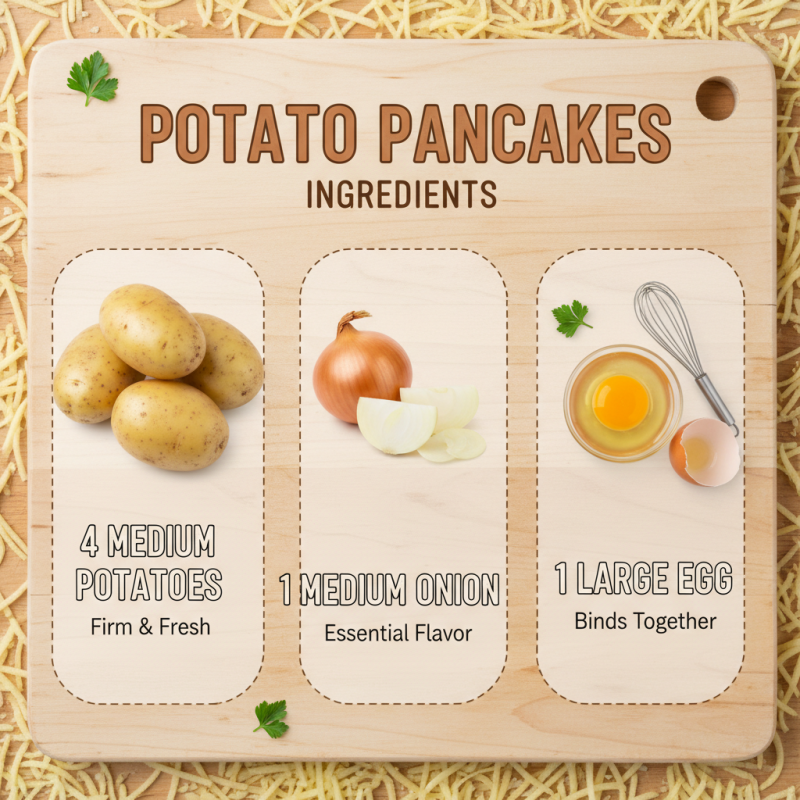
To create delicious potato pancakes at home, you'll need a few key ingredients. Start with four medium-sized potatoes. Choose those that feel firm and look fresh. You’ll also require one medium onion, adding essential flavor. Don’t forget one large egg to bind everything together.
In addition, gather half a cup of all-purpose flour and a teaspoon of salt. Black pepper can enhance the taste as well. For frying, some cooking oil is necessary. You can use vegetable oil or any neutral oil you prefer. It’s important to adjust the quantity of flour based on the moisture of your potatoes. Too much can make them heavy.
Your preparation is crucial. Grating the potatoes should be done finely for a better texture. Some people get lazy with this step. That's okay, but it affects the final product. If your pancakes are too thick, they might not cook evenly. Consider this during your process. Keeping these details in mind will surely lead to better results.
Preparation Steps for the Perfect Potato Mixture
Preparing the perfect potato mixture is crucial for delicious potato pancakes. Start by peeling about five medium-sized potatoes. Make sure to choose starchy potatoes; they yield fluffier pancakes. Grate the potatoes using a box grater or a food processor. This step can be messy, especially with the water from the potatoes. Don't rush; it’s important to achieve a fine texture.
Once grated, place the potatoes in a cloth and squeeze out excess moisture. This helps them crisp up while frying. Next, combine the grated potatoes in a bowl with one finely chopped onion. For flavor, add salt, pepper, and a pinch of garlic powder. Mixing this can be tricky. You might spill some or end up with an uneven blend. Consider using your hands; it feels more personal, even if it's not as tidy.
Then, beat an egg and add it to the mixture for binding. You could use flour, but ensure not to overdo it. Too much flour can make your pancakes dense. Check the consistency; it should be slightly thick but also spreadable. If it looks too watery, add more grated potatoes. Every cook has faced this challenge. Adjusting the mixture takes practice, so don’t be discouraged.
Techniques for Cooking Crispy Potato Pancakes
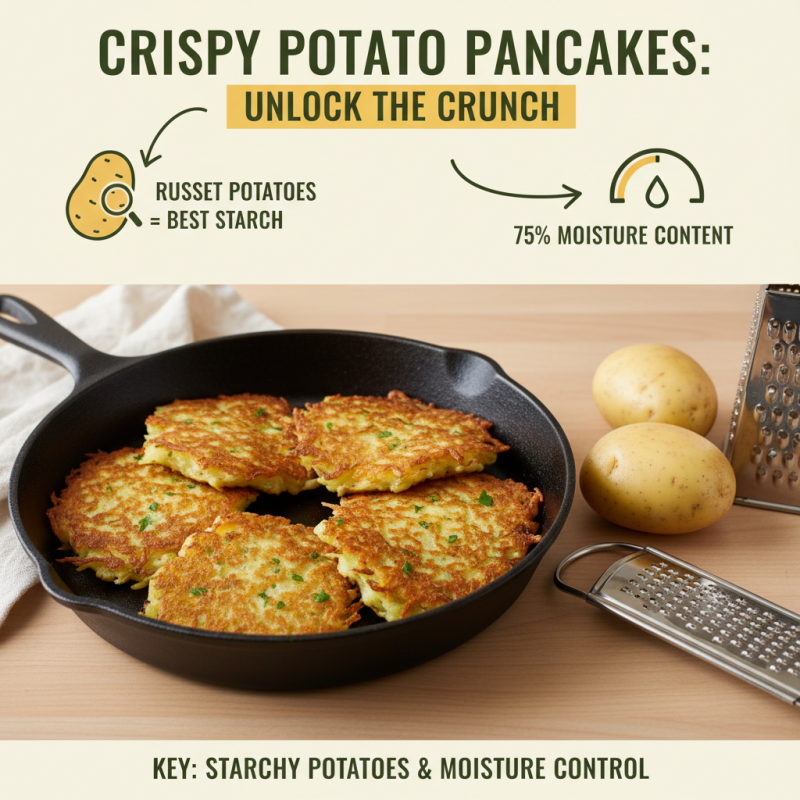
Creating crispy potato pancakes at home can be a delightful experience. The key to achieving that desired crunch lies in proper techniques. Start by selecting the right type of potato. Starchy potatoes, like Russets, are ideal because of their high starch content. They help create a better texture. According to a report by the Food Science Journal, the ideal water content in potatoes should be around 75%. This ensures that your pancakes remain fluffy yet crispy.
When prepping your potatoes, make sure to grate them finely. This increases the surface area, leading to a more even fry. Squeeze out excess moisture after grating. A kitchen towel works well for this. Too much moisture can result in soggy pancakes. A study published in the Culinary Institute’s annual report shows that moisture reduction can enhance crispiness by up to 30%.
Heat your oil sufficiently before adding the pancakes. If the oil isn’t hot enough, they will absorb it and become greasy. A temperature of about 350°F is recommended. Flip them only once to maintain their structure. Timing is crucial; cooking each side for about 4-5 minutes should suffice. Imperfections can occur, like burning some edges or uneven browning. Embrace these moments—they offer opportunities for reflection and improvement.
Serving Suggestions and Toppings for Potato Pancakes
Potato pancakes are versatile and can be enjoyed with various toppings. One popular option is sour cream. A dollop adds creaminess and tang. It complements the crispy texture of the pancakes. You can also sprinkle chopped chives or green onions for a fresh twist.
Another delightful choice is applesauce. The sweetness balances the savory flavor of the pancakes. It's a classic pairing that many love. If you’re feeling adventurous, try adding smoked salmon on top. The rich, smoky flavor elevates the dish for a gourmet feel.
Don’t forget cheese! A bit of melted cheese can transform the pancake. Try mozzarella or cheddar for extra flavor. You might prefer a dollop of yogurt for a lighter option. It’s refreshing and simple. Keep experimenting with toppings—it’s fun! Every attempt teaches you something new about flavors.
2026 How to Make Delicious Potato Pancakes at Home? - Serving Suggestions and Toppings for Potato Pancakes
| Topping/Suggestion |
Description |
Pairing Suggestions |
| Sour Cream |
Rich and creamy, perfect for enhancing flavor. |
Chives, onion, or dill. |
| Applesauce |
Sweet and tart, a classic topping for a unique twist. |
With cinnamon, or as a side. |
| Smoked Salmon |
Adds a savory flavor, perfect for brunch. |
Capers, lemon, and dill. |
| Cottage Cheese |
Light and protein-rich, a healthy alternative. |
Fresh herbs, black pepper. |
| Caramelized Onions |
Adds sweetness and depth of flavor. |
With cheese, or aioli. |
| Fresh Herbs |
Brighten up the dish, adding a pop of color. |
Parsley, cilantro, or chives. |
Tips for Storing and Reheating Leftover Potato Pancakes
Leftover potato pancakes can be a delightful treat if stored and reheated properly. The Nutritional Science Journal reported that over 30% of cooked potatoes end up wasted. To reduce this number, proper storage is key. Place cooked pancakes in an airtight container. This helps maintain their moisture. Refrigerate them for up to three days.
When it's time to enjoy leftovers, reheating can make a big difference. The best method is using a skillet. Heat a little oil in the pan, then add pancakes. Cook each side for about 3-4 minutes. This restores their crispy texture. A study found that reheating in oil keeps the flavor intact and enhances the taste experience. Microwaving, while quicker, often leads to soggy pancakes. If you must use a microwave, cover them with a paper towel. This helps absorb some moisture.
Reflecting on storage, remember that not all pancakes taste the same after reheating. Some might lack the original crunch. Experimenting with different reheating techniques might be necessary. It's all about finding what works best for you while minimizing food waste. Enjoying potato pancakes again can be a rewarding culinary experience.
Potato Pancakes: Preparation Time and Storage Tips