Leave Your Message

How to Source Gluten Free Steamed Buns Globally?

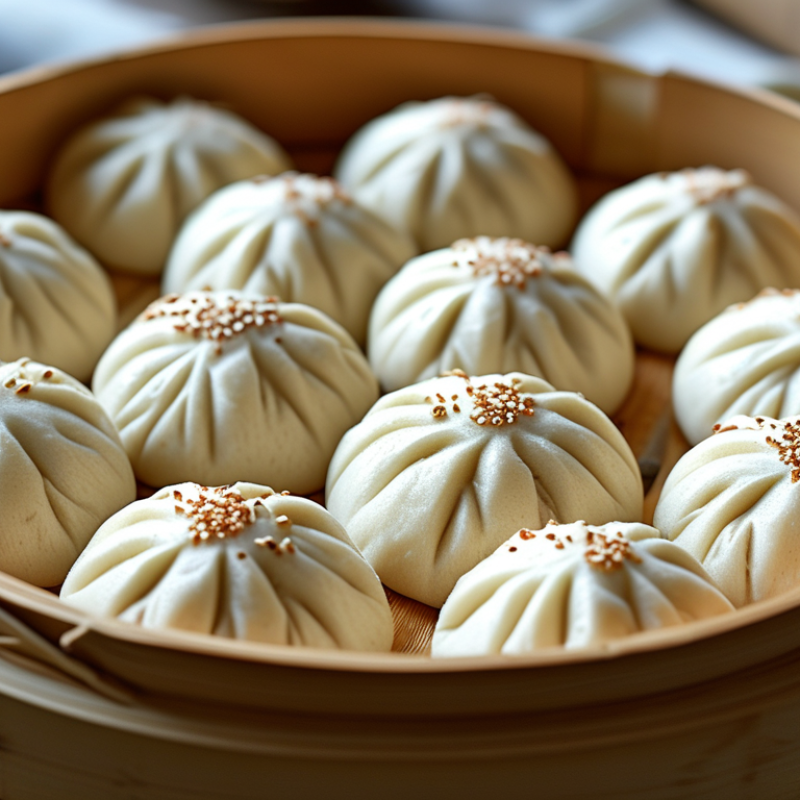
Sourcing Gluten Free Steamed Buns globally requires more than finding a supplier with an attractive product photo. Buyers must verify ingredients, processing controls, packaging, and export experience. A soft, white bun may look suitable, yet hidden wheat-based sauces or shared equipment can create serious concerns. The phrase “gluten-free” should be supported by documented testing and a clear allergen-control program.

This guide explores practical ways to identify reliable manufacturers across Asia, Europe, and other production regions. It considers factory audits, certifications, minimum order quantities, private-label options, and frozen supply chains. Temperature records matter. So does consistency. A supplier should explain how buns are mixed, steamed, frozen, packed, and shipped. Requesting samples can reveal texture changes after reheating, especially after long transport.

Experience shows that communication problems often create bigger delays than production itself. Buyers should confirm ingredient specifications, carton dimensions, shelf life, labeling needs, and delivery terms in writing. Local food requirements may differ between destination markets, so professional regulatory review remains important. No supplier list is perfect. Even experienced importers can overlook a small detail, such as a shared storage area or unclear lot coding. Careful questioning helps reduce that risk.

The following sections provide a realistic framework for comparing suppliers and building a dependable sourcing plan. They focus on evidence, not promises. Buyers will learn how to assess product quality, verify manufacturing claims, manage samples, and prepare for international logistics. Gluten Free Steamed Buns can become a dependable product line, but only when quality control continues from the factory floor to the customer’s plate.

How to Source Gluten Free Steamed Buns Globally?

Define Gluten-Free Steamed Buns and Their Global Market

Gluten-free steamed buns are soft, steam-cooked dough products made without wheat, rye, or barley. Their dough may use rice flour, tapioca starch, potato starch, or certified gluten-free oat ingredients. Fillings can include vegetables, meat, seafood, or sweet bean paste. A gluten-free claim requires more than removing wheat. Cross-contact controls matter at farms, mills, factories, and packing sites.

The Codex Alimentarius standard defines gluten-free food as containing no more than 20 milligrams of gluten per kilogram. The United States Food and Drug Administration uses the same 20-parts-per-million threshold. These figures guide supplier audits and laboratory testing. According to Grand View Research’s 2024 report, the global gluten-free products market reached approximately 6.45 billion dollars in 2023. It is projected to grow at about 9.8% annually through 2030. Steamed buns remain a smaller niche, but Asian convenience foods support their international potential.

Sourcing globally requires more than comparing flour prices. Buyers should verify allergen maps, batch testing, steam capacity, frozen storage, and export documentation. The International Trade Centre reports that processed-food trade increasingly depends on traceability and standardized product information. Yet market data for gluten-free steamed buns is still limited. That weakness deserves honesty. A supplier may pass one test and still lack consistent controls. Practical buyers should request recent certificates, inspect production lines, test finished buns, and review reheating performance. Texture often changes after freezing. That detail can quietly decide repeat sales.

Identify Reliable International Suppliers and Production Regions

Reliable sourcing starts with the factory, not the trading quotation. I look for suppliers in regions with established steamed-food skills and mature allergen-control systems. East and Southeast Asia offer broad experience with rice, tapioca, and potato-based doughs. Specialized plants in Europe and North America may provide stronger documentation and smaller trial runs. Production region matters, but facility discipline matters more. A capable supplier should explain flour sources, shared equipment, water quality, and packaging controls.

Request a current gluten-free certificate, allergen-management plan, and recent third-party audit report. Do not accept a certificate without checking its issuing body and scope. Ask for batch records, ingredient specifications, and certificates of analysis for every shipment. During a factory review, inspect separate storage, color-coded tools, sealed ingredient bins, and cleaning logs. A clean room is not enough. The production team must prove repeatable controls during busy periods. I prefer suppliers that welcome video audits and provide traceability within one working day.

Test samples after steaming, freezing, thawing, and reheating. Check crumb structure, filling stability, surface cracking, and possible wheat cross-contact risks. Confirm minimum order quantities, lead times, temperature requirements, and contingency plans before signing terms. Regional logistics can change quality quickly. A distant supplier may offer lower costs but longer frozen transit and greater temperature exposure. I once underestimated packaging performance; the buns arrived safe but noticeably dry. That mistake changed my evaluation process. Now, I compare pilot shipments with agreed specifications and record corrective actions for every deviation.

Verify Ingredients, Certifications, and Cross-Contamination Controls

Sourcing gluten-free steamed buns globally begins with evidence, not a supplier’s label. Request the complete ingredient list, including fillings, sauces, starches, and processing aids. Wheat, barley, rye, and hidden flour carriers require careful review. Confirm the gluten-free threshold required in the destination market. Ask for batch-specific specifications and recent certificates of analysis.

Check whether an independent, accredited certification body audits the actual bun facility. The certificate should cover production, storage, and packaging. Do not assume it covers every seasonal ingredient. Review the allergen-control plan, cleaning validation, employee training, and testing frequency. Ask for corrective-action records after failed or borderline results. These records often reveal more than polished presentations.

Trace one production lot from receiving to freezing. Watch shared mixers, utensils, rework, flour storage, and staff movement. A clean factory can still have weak controls. Ask how suppliers prevent airborne flour and how they verify line clearance. Require sealed samples before approval, then compare them with arrival samples. I would not accept “same as the previous shipment” as proof. No checklist is perfect. Suppliers can miss details, and buyers can overlook inconvenient evidence. That is why independent testing and periodic reassessment remain necessary.

Compare Product Quality, Packaging, Pricing, and Shipping Options

Sourcing gluten-free steamed buns globally requires more than a gluten-free label. Grand View Research estimated the global gluten-free products market at USD 6.45 billion in 2024. That growth attracts new suppliers, but quality can vary sharply. Request allergen-control procedures, laboratory test reports, and production records. Check texture after freezing, thawing, and steaming. A soft bun should not become rubbery or split. Review HACCP or ISO 22000 systems, but do not treat certificates as proof of consistent quality. Sample testing remains essential.

Packaging must protect moisture, shape, and traceability. Ask whether suppliers use sealed inner bags, freezer-resistant film, and strong export cartons. Confirm lot codes, production dates, storage temperatures, and pallet limits. The Food and Agriculture Organization reported that 13.2% of food was lost before retail in 2023. Weak cold-chain planning can damage both quality and margin. Compare air freight, refrigerated sea freight, and regional warehousing. Calculate the landed cost, including duties, inspections, storage, and possible temperature delays. The cheapest quotation may be expensive later.

Tips: Order samples from three regions. Steam them under identical conditions. Record weight loss, filling distribution, and package damage. Compare prices by usable kilogram, not carton price. Ask for minimum order quantities and realistic lead times. A perfect spreadsheet still misses seasonal port delays. Recheck assumptions before signing.

How to Source Gluten-Free Steamed Buns Globally?

Regional benchmark comparison of product quality, packaging readiness, pricing competitiveness, and shipping convenience.

Scores are indicative category benchmarks on a 0–100 scale, based on typical gluten-free certification availability, frozen product specifications, export packaging readiness, relative wholesale pricing, cold-chain infrastructure, and international shipping access. Higher pricing and logistics scores indicate better cost competitiveness and shipping flexibility.

Manage Import Compliance, Logistics, and Supplier Partnerships

How to Source Gluten-Free Steamed Buns Globally?

Global sourcing starts with import compliance, not price. Codex Standard 118-1979 defines “gluten-free” at no more than 20 mg/kg of gluten. Many markets use this benchmark, but local labeling rules still differ. Suppliers should provide ingredient specifications, allergen declarations, batch certificates, and validated gluten-testing results. Customs files also need accurate tariff codes, invoices, origin documents, and production records. A missing translation can delay a shipment.

Logistics needs equal attention. UNCTAD reports that maritime transport carries over 80% of global merchandise trade by volume. Steamed buns, however, need tighter control after production. Agree on frozen or chilled temperatures, loading limits, transit times, and data-logger requirements. Check condensation inside cartons. It can damage texture before customs clearance. The World Bank’s Logistics Performance Index 2023 evaluates customs, infrastructure, shipment quality, and timeliness. These measures help compare sourcing countries beyond factory quotations.

Supplier partnerships should include pilot orders, factory audits, allergen-change notifications, and corrective-action deadlines. Ask for samples from different production lots. Texture may shift with flour moisture, steaming pressure, or freezing speed. Dual sourcing reduces disruption, but it can create unwanted recipe variation. I have seen procurement teams overtrust certificates. Documents are not always proof of daily control. Review sanitation records and test finished products independently. Keep a shared specification, with clear acceptance limits for weight, filling ratio, packaging damage, and gluten results. Small gaps become expensive at scale.

How to Source Gluten Free Steamed Buns Globally? – Manage Import Compliance, Logistics, and Supplier Partnerships

Global sourcing and import-compliance planning matrix for frozen gluten-free steamed buns
Target Market Gluten-Free Regulatory Benchmark Core Import-Compliance Requirements Product, Label, and Testing Controls Logistics and Cold-Chain Considerations Supplier Partnership Checkpoints
United States
Import destination
Gluten-free claims generally require the food to contain less than 20 mg/kg (20 ppm) gluten under U.S. Food and Drug Administration requirements.
  • Food facility registration where applicable
  • Prior notice for imported food
  • Foreign supplier verification under the applicable food-safety program
  • Commercial invoice, packing list, bill of lading, and entry data
  • Use an English-compliant label
  • Declare major allergens, including wheat if present; absence of wheat does not remove the need for a substantiated gluten-free claim
  • Maintain lot-specific gluten test results
  • Control cross-contact with wheat, barley, and rye
Frozen buns should normally remain at or below -18°C during storage and transport. Use temperature records, validated packaging, and a documented deviation procedure.
  • Approve the facility through a risk-based audit
  • Review preventive-control records and sanitation validation
  • Agree on release specifications, shelf life, and recall responsibilities
  • Define notification timelines for temperature or test failures
European Union
Import destination
Regulation (EU) No 828/2014 permits a “gluten-free” claim when the food contains no more than 20 mg/kg gluten.
  • EU food-business and importer responsibilities
  • Food-safety documentation and traceability records
  • Customs declaration and applicable tariff classification
  • Official controls may apply at the border
  • Provide mandatory particulars in the required consumer language or languages
  • Declare allergens with the prescribed emphasis
  • Include lot identification, net quantity, storage conditions, and date marking
  • Verify nutrition information and origin statements where required
Frozen transport should be qualified for the full route, including port handling and inland delivery. Confirm whether the destination requires an approved border-control process for the product category.
  • Request HACCP-based food-safety documentation
  • Review allergen zoning and line-clearance procedures
  • Set a minimum remaining shelf-life requirement at arrival
  • Use change-control approval for recipes, sites, and packaging
United Kingdom
Import destination
The UK uses the established gluten-free benchmark of no more than 20 mg/kg for foods making a gluten-free claim.
  • Importer and food-business traceability records
  • Customs entry, commercial invoice, packing list, and transport documents
  • Food-health and safety requirements applicable to the product
  • Check current border requirements before shipment
  • Use a UK-compliant label and required allergen emphasis
  • State storage conditions and cooking instructions clearly
  • Ensure the gluten-free claim is supported by supplier controls and testing
  • Keep artwork approval under document control
Plan frozen delivery with continuous temperature monitoring. Allow additional time for customs clearance and border inspections when calculating usable shelf life.
  • Use a written technical agreement
  • Set sampling frequency for gluten and microbiological testing
  • Require advance notice of ingredient or process changes
  • Define corrective-action and reimbursement procedures
Canada
Import destination
Canadian gluten-free requirements generally use a maximum level of 20 ppm gluten for foods represented as gluten-free.
  • Importer licensing and preventive-control responsibilities may apply
  • Import declaration and customs documentation
  • Traceability records covering one step back and one step forward
  • Review requirements for bilingual consumer information
  • Prepare English and French label content where required
  • Declare priority allergens and gluten sources according to Canadian rules
  • Validate the finished product and high-risk ingredients
  • Include frozen storage and preparation instructions
Long-distance frozen shipments should include contingency plans for port delays, equipment failure, and winter exposure. Verify the receiving site’s freezer capacity before booking volume.
  • Confirm the supplier can maintain bilingual artwork specifications
  • Audit allergen segregation and supplier approval programs
  • Agree on pallet configuration and case dimensions
  • Review product liability and recall insurance coverage
Australia & New Zealand
Import destination
The Food Standards Code requires foods making a gluten-free claim to contain no detectable gluten.
  • Meet applicable Australia New Zealand food standards
  • Complete import and biosecurity checks where applicable
  • Maintain supplier, ingredient, and traceability documentation
  • Confirm destination-specific import conditions before dispatch
  • Do not rely only on a 20 ppm specification for a gluten-free claim in this market
  • Declare allergens and cereals containing gluten as required
  • Use validated analytical methods and documented detection limits
  • Provide preparation instructions suitable for the finished product
Ocean freight requires robust frozen packaging, temperature monitoring, and sufficient shelf-life buffer. Check biosecurity restrictions for ingredients, wooden pallets, and packaging materials.
  • Request evidence of no-detectable-gluten capability
  • Review environmental monitoring and sanitation programs
  • Agree on import-document turnaround times
  • Build a secondary supply or emergency replenishment plan
Japan
Import destination
Japan’s allergen-labeling framework includes wheat as a mandatory allergen. Gluten-free positioning should be supported by validated testing and Japanese market review.
  • Food import notification and customs documentation
  • Ingredient specifications and manufacturing-process information
  • Certificate or records requested by the importing authority or buyer
  • Traceability and recall-readiness documentation
  • Prepare Japanese-language labeling where required
  • Declare wheat and other regulated allergens accurately
  • Review additives, processing aids, and permitted ingredients
  • Validate cooking instructions for texture and food safety
Frozen products require reliable temperature control through port handling and domestic distribution. Use packaging that protects the buns from freezer burn and compression.
  • Provide detailed ingredient and process flow diagrams
  • Agree on translation and label-approval ownership
  • Set tight specifications for appearance, filling weight, and texture
  • Use pre-shipment samples for each production change
Singapore
Import destination
Gluten-free claims should be substantiated through ingredient review, preventive controls, and appropriate finished-product testing; local labeling and food-import rules must also be met.
  • Import registration and product documentation as applicable
  • Commercial invoice, packing list, transport document, and customs data
  • Food-safety and traceability records
  • Check requirements for meat, dairy, or other controlled fillings
  • Use English labeling with required product particulars
  • Declare allergens and ingredient sub-components
  • Confirm additive and preservative compliance
  • Document the basis for any gluten-free statement
Tropical conditions make frozen-chain discipline critical. Use qualified reefer transport, rapid transfer at the port, and a local freezer capable of maintaining the required temperature.
  • Verify production capacity during peak seasons
  • Agree on delivery appointment and demurrage responsibilities
  • Review packaging performance in humid conditions
  • Define stock rotation using first-expiry, first-out controls
United Arab Emirates
Import destination
Gluten-free claims should be supported by documented ingredient controls and laboratory evidence accepted by the importing authority and local buyer.
  • Importer registration and customs documentation
  • Health or conformity documents where required for the product category
  • Certificate of origin and product specification
  • Check local requirements for animal-derived fillings
  • Prepare Arabic and English label content where required
  • Declare allergens, ingredients, net weight, dates, and storage conditions
  • Confirm halal suitability for relevant ingredients and processing aids
  • Review claims with the local importer before printing
Frozen containers and inland delivery must be protected against high ambient temperatures. Allow for customs and inspection delays without exceeding validated temperature limits.
  • Obtain ingredient-origin declarations
  • Confirm halal documentation where applicable
  • Agree on Arabic artwork approval and translation control
  • Maintain a larger safety stock during extreme-heat periods
South Korea
Import destination
Gluten-free claims should be supported by Korean labeling, ingredient review, and validated testing consistent with the importing authority’s requirements.
  • Import declaration and customs documentation
  • Product specifications and manufacturing-site information
  • Ingredient and allergen records for review
  • Check registration requirements for the foreign facility and product category
  • Prepare Korean-language label information
  • Declare wheat and other regulated allergens accurately
  • Review additives, flavors, and filling ingredients
  • Control translation consistency between specification and artwork
Use frozen containers with continuous temperature records. Coordinate customs clearance and last-mile freezer delivery before the shipment leaves the origin port.
  • Approve bilingual technical specifications
  • Set sensory standards for steamed texture after reheating
  • Agree on sample retention and complaint investigation
  • Plan for periodic third-party laboratory verification
Planning note: Regulatory limits, labeling rules, tariff classification, import permits, and border procedures can change by product composition and destination. Confirm the final requirements with the destination-country importer and competent authority before commercial shipment. Frozen-chain temperatures, transit times, and testing frequency should be validated for the specific recipe, packaging format, and route.