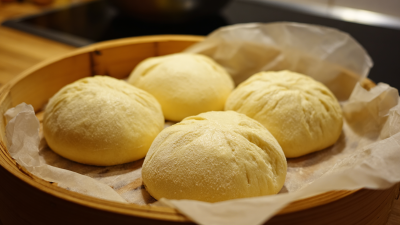
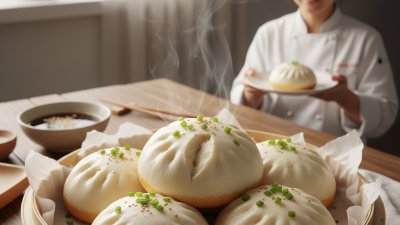
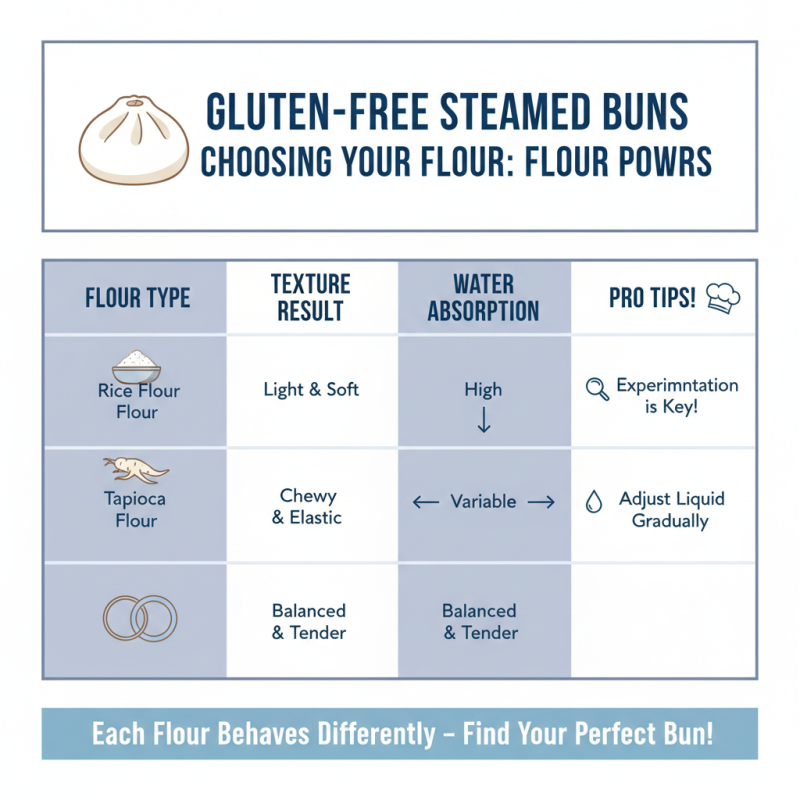
How to Make Gluten Free Steamed Buns at Home?
Gluten Free Steamed Buns are a delightful solution for those with gluten sensitivities. Renowned food specialist Dr. Lisa Chan emphasizes, "Creating memorable gluten-free dishes can be a challenge, yet so rewarding." This statement resonates deeply as the culinary world increasingly embraces gluten-free alternatives.
Making Gluten Free Steamed Buns at home can be both exciting and daunting. The texture may differ from traditional buns, but, with the right approach, it can be satisfying. Gather essential ingredients like rice flour or tapioca starch to experiment with. Understanding the balance of flavors is crucial, as gluten-free dough often requires different handling.
Engaging in this culinary adventure invites some trial and error. Perhaps your first batch turns out too dense or sticky. Reflecting on these missteps leads to better results and deeper insights. Ultimately, the journey of perfecting Gluten Free Steamed Buns becomes a personal story of resilience and creativity in the kitchen.
Understanding Gluten-Free Flour Options for Steamed Buns
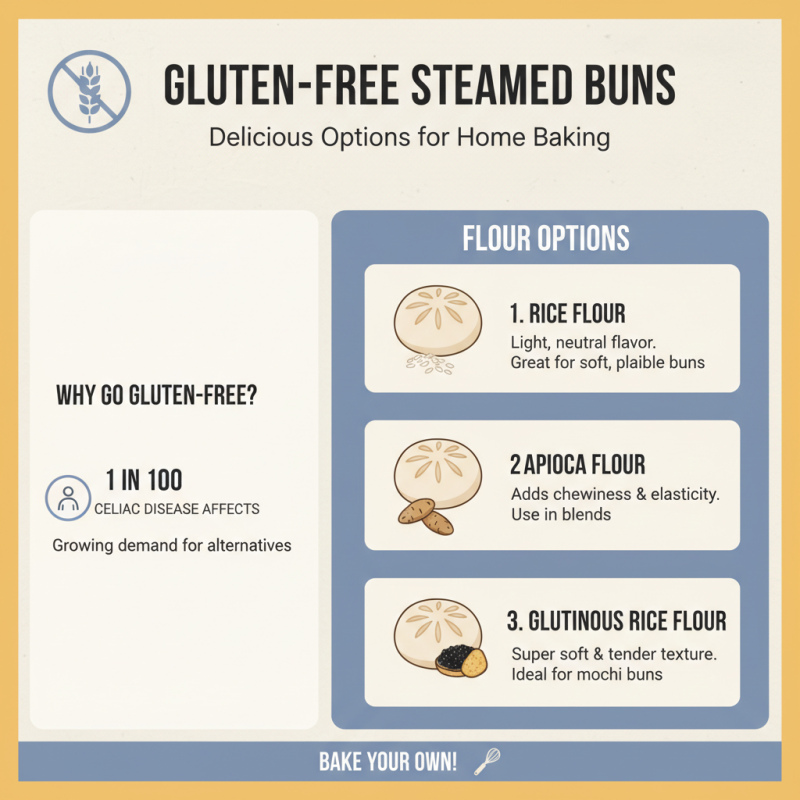
Understanding gluten-free flour options is essential for making delicious steamed buns at home. Many people are turning to gluten-free diets. Reports indicate that approximately 1 in 100 people are affected by celiac disease. This has increased the demand for gluten-free alternatives.
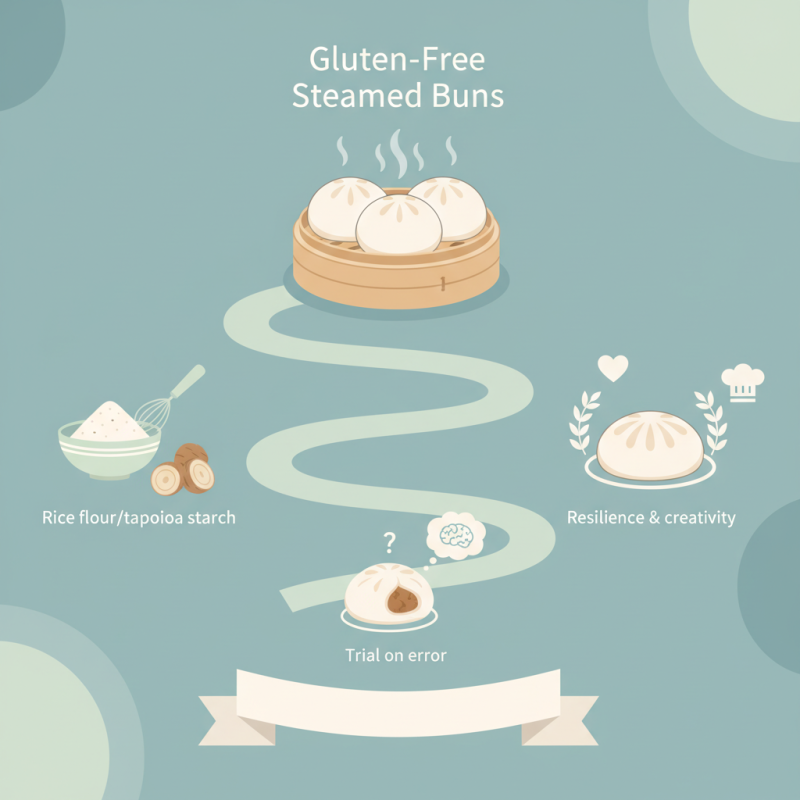
Rice flour is commonly used in gluten-free steamed buns. It provides a fine texture and neutral flavor. However, using rice flour alone can result in a dense bun. Combining it with tapioca flour can create a lighter texture. Tapioca flour also adds a chewiness that mimics traditional steamed buns.
Another option is almond flour. It gives a nutty flavor and helps retain moisture. Though almond flour can make buns richer, it often leads to a crumbly texture. Many bakers experiment with different ratios to find the perfect balance. Not every batch comes out as expected. Some buns may collapse or become too dry. Adjusting water content and cooking times is often necessary to achieve the ideal result. Gluten-free baking remains a learning process. Each experimentation can lead to unexpected outcomes.
Choosing the Right Ingredients for Gluten-Free Steamed Buns
Choosing the right ingredients for gluten-free steamed buns is essential. Start with gluten-free flour. It can be rice flour, tapioca flour, or a blend. Different flours bring different textures. Experimenting is key. Each flour absorbs water differently, affecting the final product.
Use a binding agent. Common options include xanthan gum or psyllium husk. They help give structure to your buns. A little goes a long way. Too much can make the texture gummy. Adjust according to your flour choice.
Tips: Always measure your ingredients accurately. A kitchen scale can help. If your dough feels too dry, add water gradually. If it’s too wet, sprinkle in more flour. Remember, getting the right consistency can be challenging. Expect some trial and error. Don't be discouraged by small failures. Each attempt will improve your baking skills.
Step-by-Step Guide to Preparing the Dough for Steamed Buns
Making gluten-free steamed buns at home can be both rewarding and challenging. Start by gathering your ingredients: gluten-free flour, warm water, and a leavening agent. The dough requires careful mixing. Combine the flour with the leavening agent, ensuring no lumps remain. Then, gradually add warm water until you achieve a smooth consistency. Avoid overmixing; this can lead to tough buns.
After the dough is mixed, let it rest for at least 30 minutes. This step is crucial, but it can be tricky. Many underestimate the importance of resting. During this time, the dough absorbs moisture, making it easier to work with. If it feels too sticky, add a little extra flour. Don't be afraid to adjust according to your texture preference.
Next, shape the rested dough into small rounds or your desired form. This can take some practice. Some may end up uneven or misshapen, and that’s okay. The key is to focus on the thickness, keeping it uniform. Steam them for about 15 minutes. Remember, overcooking can lead to dry buns. Pay attention to timing to perfect your gluten-free steamed buns.
Techniques for Steaming Gluten-Free Buns Effectively
Steaming gluten-free buns can be tricky but rewarding. Start with a good batter. Use gluten-free flour blends for the best results. Add a binding agent like xanthan gum to give your buns structure. Mix until smooth but don’t overdo it. A lumpy batter is okay, as perfection can make them dense.
When it comes to steaming, the setup is key. Ensure your steamer is ready before pouring in the batter. Use parchment paper to line the steaming tray, which prevents sticking. Try not to overcrowd; give each bun room to expand. The steam needs space to circulate freely.
Temperature control is essential. Too high heat can cook the outside too quickly. Too low won’t cook them thoroughly. Test one after about 15 minutes. It should be soft yet firm to touch. If it’s dense, you may need to adjust both your batter and steaming technique. Remember, perfecting gluten-free buns takes practice. Embrace the process, and enjoy the journey!
How to Make Gluten Free Steamed Buns at Home? - Techniques for Steaming Gluten-Free Buns Effectively
| Ingredient |
Quantity |
Preparation Method |
Steaming Time |
| Gluten-Free Flour |
2 cups |
Mix with yeast and water |
15-20 minutes |
| Instant Yeast |
1 tablespoon |
Activate in warm water |
N/A |
| Warm Water |
1 cup |
Combine with yeast |
N/A |
| Sugar |
2 teaspoons |
Mix with dry ingredients |
N/A |
| Salt |
1 teaspoon |
Add to the mixture |
N/A |
Tips for Achieving the Perfect Texture in Gluten-Free Steamed Buns
Gluten-free steamed buns are a delightful treat that can be made at home with the right techniques. For achieving the perfect texture, focus on ingredient selection and preparation methods. Research shows that the right combination of gluten-free flours can yield better results. Data indicates that a blend of rice flour, tapioca starch, and xanthan gum often works best, providing elasticity and moisture.
One vital tip is to measure your ingredients accurately. Using a scale can ensure precision, especially with gluten-free flours, which can vary in density. It's essential to hydrate the flour mixture well. A good rule of thumb is to let the dough rest for at least 30 minutes. This allows the fibers to absorb the moisture fully, resulting in a softer texture.
Experimenting can be a double-edged sword. You might end up with a dough that's too sticky or too dry. Don't be afraid to adjust the water content based on the flour's absorption. Adding a bit of baking powder can also help boost the fluffiness of your buns. Keep in mind, it may take a few attempts to find your ideal texture, so embrace the journey of trial and error.
Texture Comparison of Gluten-Free Steamed Buns