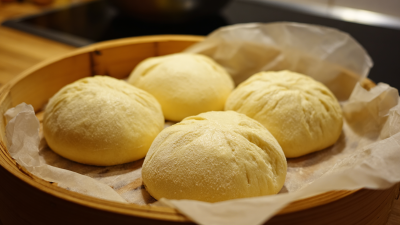
How to Make Gluten Free Steamed Buns at Home?
Making Gluten Free Steamed Buns at home is an exciting culinary adventure. These delightful buns can be enjoyed by those with gluten sensitivities. They offer a soft texture and a deliciously fluffy interior that rivals traditional options. Creating the perfect batch, however, can require patience and practice.
To start, choosing the right gluten-free flour is essential. This choice can significantly impact the final taste and texture of your buns. A blend of various flours, like rice flour and tapioca starch, often yields the best results. Experimenting with different proportions may lead to unexpected flavors and textures.
There will be challenges along the way. Your first attempts might not be as fluffy as you hope. Over time, and with practice, you will perfect your technique. Each batch will teach you something new. Celebrate small victories, like the perfect rise or a delightful flavor. Making Gluten Free Steamed Buns is not just about the end result; it’s about the learning process.
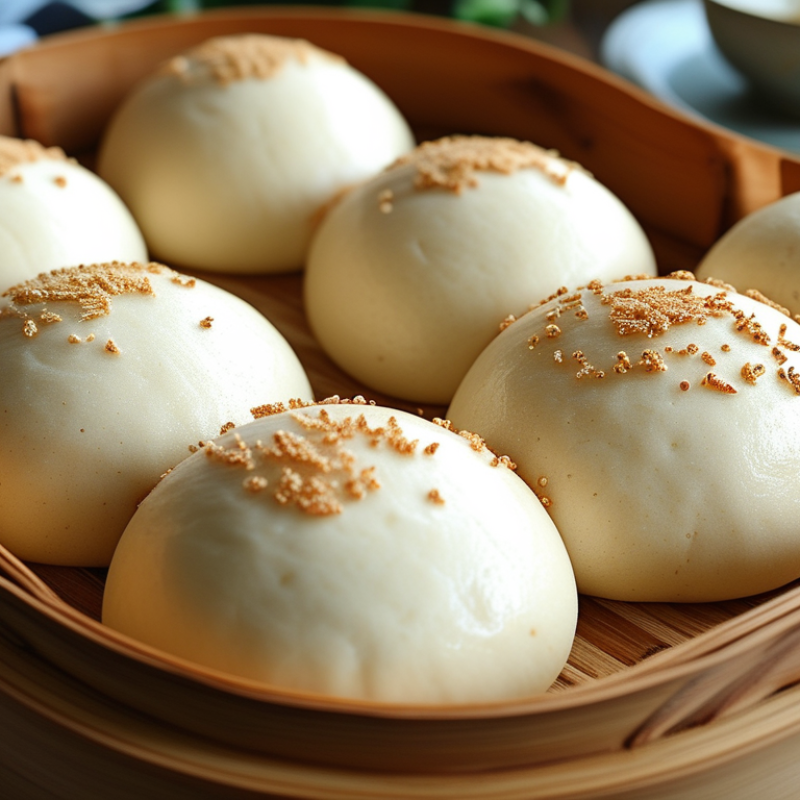
Understanding Gluten-Free Ingredients for Steamed Buns
When making gluten-free steamed buns, understanding ingredients is vital. Traditional flour contains gluten, which gives elasticity to dough. Gluten-free alternatives lack this, so choosing the right substitutes is crucial. Common options include rice flour, tapioca starch, and potato starch. Each of these can change the texture and flavor of your buns, leading to varying results.
Rice flour provides a good base but can be gritty. Mixing it with tapioca starch helps create a smoother texture. Potato starch adds moisture but can make the dough heavy if overused. Experimenting with ratios is key. Some may find the buns too dense or too crumbly on their first try. Careful adjustments can refine your recipe over time.
Don't forget about binders! Xanthan gum or guar gum can help mimic gluten's binding properties. Using the right amount can drastically improve the structure of your buns. Remember, practice makes perfect. The journey to achieving the perfect gluten-free bun can take several attempts. Embrace the process, and enjoy the learning!
Essential Tools and Equipment for Making Steamed Buns
When making gluten-free steamed buns, having the right tools is crucial. Essential equipment includes a bamboo steamer or a stainless steel steaming basket. These tools help achieve the ideal fluffy texture. According to a report from the Food Science Journal, the steaming method significantly increases moisture retention, preserving the buns' structure.
A reliable mixer is also key. It helps incorporate ingredients evenly, which is essential for gluten-free flours. A study from the Culinary Institute noted that uneven mixing can lead to a dense product that is far from the desired light and airy bun. Use a spatula for folding the dough. This tool ensures that air remains in the mix, promoting a better rise.
Don't overlook a good thermometer, as monitoring water temperature is vital. The steam should be consistently hot to avoid undercooked buns. Surprisingly, many home cooks disregard this detail, leading to inconsistent results. Use parchment paper to prevent sticking, creating a simple yet effective barrier. Achieving the perfect gluten-free steamed bun at home requires attention to these details. Each tool plays a role in elevating your cooking experience.
Step-by-Step Recipe for Preparing Gluten-Free Dough
Making gluten-free steamed buns at home can be an enjoyable culinary adventure. The first challenge is preparing gluten-free dough, as traditional flour contains gluten, which provides structure. A combination of gluten-free flours, such as rice flour, tapioca starch, and potato starch, usually yields the best texture. According to the Gluten-Free Industry Association, gluten-free product sales have grown significantly, indicating a rising demand for alternatives among consumers.
For the dough, blend different gluten-free flours with a binding agent like xanthan gum. This step is crucial, as it mimics the elasticity of gluten. Adding warm water gradually helps in achieving a smooth consistency. The dough should feel soft yet slightly sticky, which may differ from conventional dough. Experts recommend letting the dough rest for about 30 minutes. This allows the ingredients to absorb moisture and develop flavors, but sometimes it results in a dough that is sticky and challenging to work with—something to be mindful of.
While steaming, ensure the water is boiling before placing the buns. This step is essential for proper cooking, providing a soft and fluffy texture. However, if the temperature dips too low during steaming, the buns may turn out dense. It’s worth noting that gluten-free flours often yield less rise than their gluten counterparts. Hence, experimenting with cook times and steam periods can lead to improvements in the final product.
Techniques for Steaming Gluten-Free Buns Effectively
When crafting gluten-free steamed buns, mastering the steaming process is crucial. Research indicates that about 1 in 100 people suffer from celiac disease, necessitating gluten-free options. The right techniques can ensure fluffy and delicious results.
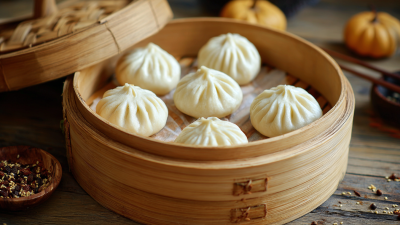
Start with a steaming setup. Using a bamboo steamer lined with parchment paper helps prevent sticking. The water should be boiling before placing the buns inside. One common mistake is overcrowding the steamer, leading to uneven cooking. Space is vital; each bun needs room for expansion. An average steaming time is about 15-20 minutes. This interval allows the buns to rise properly, creating a light texture.
Temperature control is another critical factor. A consistent steam temperature of around 100°C (212°F) is ideal. Variations can affect the buns' density and moisture content. It's worth noting that over-steaming can make them soggy. On the flip side, insufficient steaming results in a dense product. Finding that perfect balance requires practice and patience, but it leads to rewarding outcomes.
How to Make Gluten Free Steamed Buns at Home? - Techniques for Steaming Gluten-Free Buns Effectively
| Ingredients |
Measurement |
Purpose |
| Gluten-Free Flour Blend |
2 cups |
Main ingredient for bun dough |
| Warm Water |
3/4 cup |
Hydration for the dough |
| Yeast |
1 tbsp |
Leavening agent |
| Sugar |
1 tbsp |
Feeds yeast |
| Salt |
1 tsp |
Flavor enhancer |
| Oil (e.g. vegetable or coconut) |
2 tbsp |
Moisture and richness |
| Steaming Method |
Equipment Needed |
Time Required |
| Stovetop Steaming |
Steamer or large pot with a lid |
20-25 minutes |
| Electric Steamer |
Electric steamer |
20-30 minutes |
| Microwave Steaming |
Microwave-safe bowl with cover |
5-10 minutes |
Serving Suggestions and Variations for Gluten-Free Steamed Buns
Gluten-free steamed buns can be enjoyed in various ways. One popular serving suggestion is to fill them with seasoned vegetables. Stuffing with sautéed mushrooms, bell peppers, and greens adds flavor and nutrition. A hint of soy sauce or sesame oil enhances the overall taste. You can also experiment with protein fillings, such as marinated tofu or chicken. These flavors meld beautifully, making each bite delightful.
For a fun twist, consider serving the buns with dipping sauces. A spicy chili sauce or a tangy vinegar blend pairs well. Create a simple dipping sauce by mixing soy sauce, garlic, and ginger. This sauce adds a punch. You might also enjoy sweet variations. Stuffing the buns with red bean paste or fruit preserves offers a delightful dessert option. The contrast of sweet and savory can surprise your taste buds.
When preparing gluten-free steamed buns, it’s essential to experiment. Each batch might have a different texture. You might find that altering the steaming time affects fluffiness. Document your recipes and tweak them over time. Reflect on what works best for you. Cooking is a journey of discovery, allowing creativity to flow. Enjoy the process, and you will find your ideal steamed bun recipe.