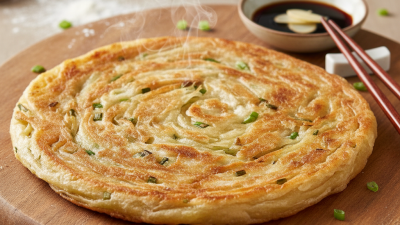
What is Green Onion Pie and How to Make the Best Version?
Green Onion Pie is a delightful dish that has captured the hearts of many. Its origins may vary, but its charm remains universal. This savory pie blends flaky crust with the fresh burst of green onions, making it a tasty treat. Each bite is a mix of flavors and textures, a simple yet fulfilling meal that can be enjoyed at any time.
Making the best Green Onion Pie involves a few key techniques. Start with fresh green onions, as their flavor is crucial. Incorporating a rich, buttery crust adds to the overall experience. Yet, the pie can also be imperfect. Overbaking can lead to dryness, while undercooking may leave the crust soggy. It's a delicate balance that requires practice.
While the dish seems easy to master, every cook learns through trial and error. Substitutions can lead to surprising results, and sometimes, those surprises might not be pleasant. Reflecting on past attempts is essential for improvement. Embracing both successes and failures can elevate your Green Onion Pie recipe to new heights.
What is Green Onion Pie?
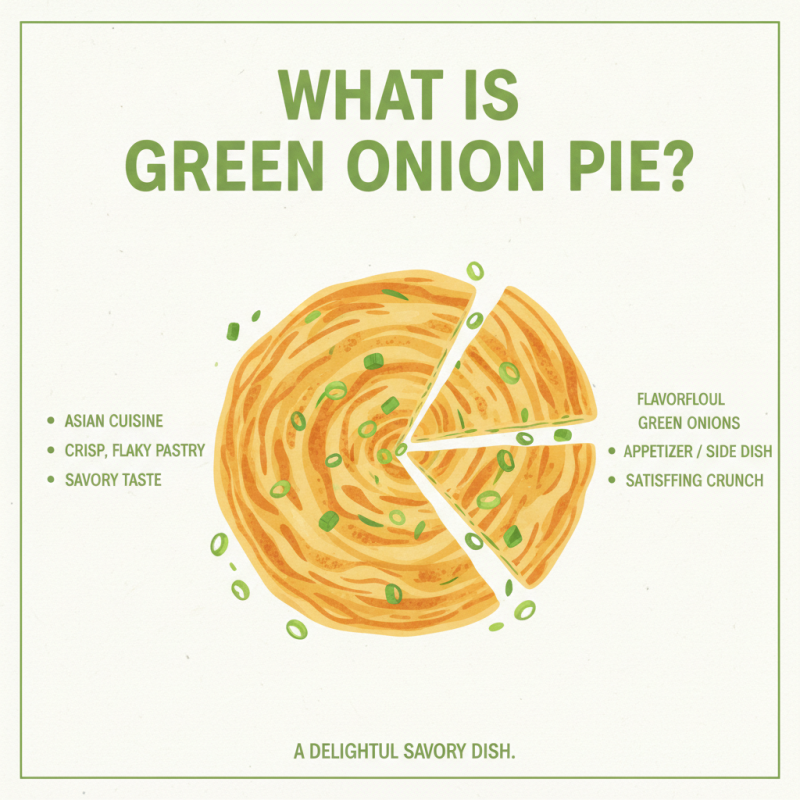
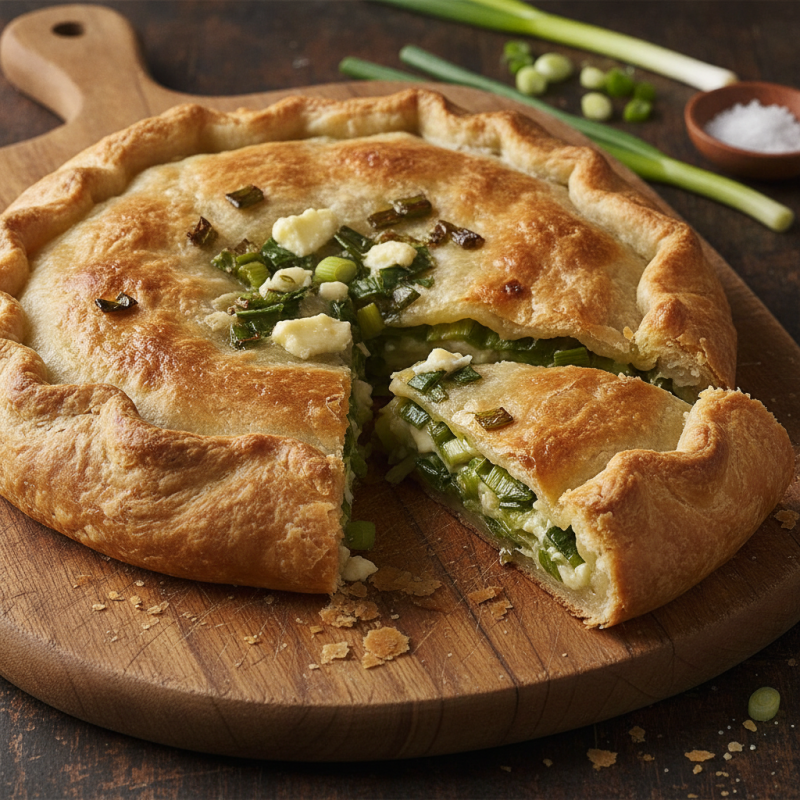
Green Onion Pie is a delightful dish often found in Asian cuisine. It combines crisp, flaky pastry with flavorful green onions. This pie can be served as an appetizer or a side dish, loved for its savory taste. The layers of dough create a satisfying crunch. The green onions offer a fresh aroma that tempts the senses.
Making Green Onion Pie involves simple ingredients. You need flour, water, and of course, green onions. Mixing and kneading the dough can be a bit messy. Properly rolling it out takes practice. Layering the green onions within the pastry is crucial for flavor. Some might struggle with achieving the right balance of dough and filling.
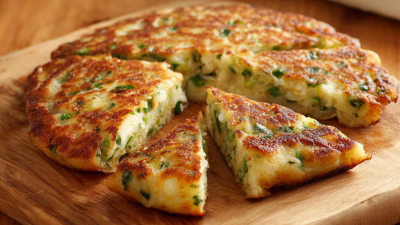
When baked, the pie should be golden brown. This color hints at a perfect crispness. However, not every attempt may end up as expected. Some may find the pie undercooked or overly doughy. Experimenting with different techniques can lead to valuable insights. Each effort brings you closer to mastering this tasty treat.
Historical Background of Green Onion Pie
Green onion pie has historical roots that reflect the rich culinary traditions of various cultures. This savory dish is especially popular in regions of Asia, specifically in China and Korea, where it is enjoyed as both a snack and a meal. According to culinary historians, green onion pie likely originated from ancient flatbreads. The combination of a crispy exterior and a flavorful filling has made it a staple across many communities.
In terms of nutritional value, green onion pie is a clever fusion of carbohydrate and vegetables. Studies show that incorporating vegetables like green onions can enhance dietary fiber intake. The World Health Organization recommends consuming a variety of vegetables for overall health. Whether enjoyed as a street food or homemade dish, the pie carries with it stories of migration, adaptation, and cultural exchange.
However, the recipe can vary significantly, leading to differing tastes and textures. Each region might add its unique twist, reflecting local ingredients and customs. Some pies might be overly greasy, while others may skimp on the filling, prompting a need for balance. This inconsistency prompts reflection on how authenticity and innovation can coexist.
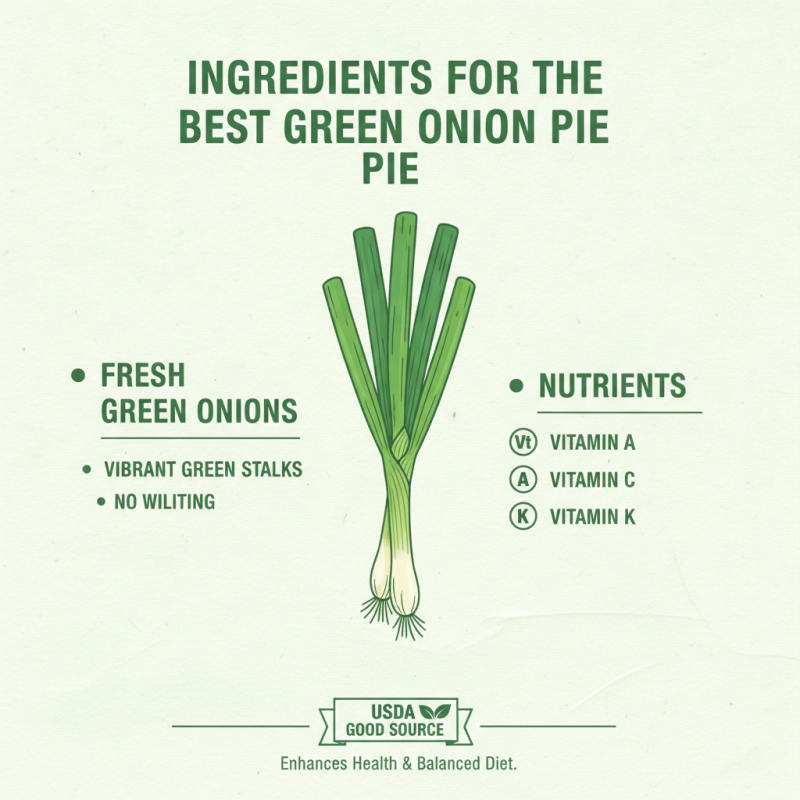
Ingredients Needed for the Best Green Onion Pie
Making the best green onion pie begins with selecting high-quality ingredients. Fresh green onions are essential. They provide a burst of flavor. Look for vibrant green stalks without wilting. According to the USDA, green onions are a good source of vitamins A, C, and K. These nutrients enhance health and can contribute to a balanced diet.
The dough is just as important. A mix of all-purpose flour, salt, and water creates the base. For richness, consider adding a little oil or butter. The 2021 Food Industry Report shows that homemade dough often yields better taste than store-bought versions. Experiment with different ratios to find a texture you love. It’s worth noting that creating perfect dough can be tricky. It might take a few tries to achieve that ideal balance of flakiness and stretch.
When assembling the pie, ensure the filling is evenly distributed. This helps in achieving that perfect bite each time. Some cooks suggest using additional spices for extra depth. However, remember that over-seasoning can mask the fresh flavors of the green onions. It's a fine line to walk. Each time you make this pie, observe what works and what doesn’t. Cooking is a journey of reflection, and each attempt teaches valuable lessons.
Step-by-Step Instructions to Make Green Onion Pie
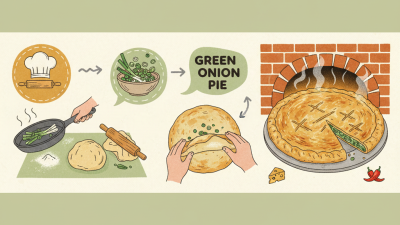
Making Green Onion Pie at home is a rewarding experience. It's a cherished dish, rooted in various culinary traditions. To achieve a flaky crust, use all-purpose flour and cold water. Aim for a dough that’s easy to roll. Overworking the dough can lead to toughness, which we want to avoid.
Start by preparing your filling. Fresh green onions are key. The USDA notes that green onions are a potent source of vitamins A and C, promoting overall health. Slice them finely and sauté briefly to enhance their flavor. Mixing in a bit of salt and pepper will elevate the taste. The ratio of onions to dough matters; too few onions make it bland. Aim for about a 3:1 ratio of filling to dough for rich flavor.
When assembling the pie, don't rush. Layer the filling evenly to ensure each bite is flavorful. Once assembled, bake until golden. The American Institute for Cancer Research suggests that consuming a variety of vegetables, like green onions, can reduce cancer risks. Keep that in mind as you enjoy your creation. Each step may present challenges, but that's part of the cooking journey. Embrace imperfections—they often lead to the most delicious discoveries.
Green Onion Pie Popularity by Region
This bar chart illustrates the popularity of Green Onion Pie across different regions. The data shows varying preference levels, indicating where this traditional dish is most enjoyed.
Tips for Perfecting Your Green Onion Pie Recipe
To create the perfect green onion pie, focus on using fresh ingredients. Fresh green onions provide a vibrant flavor that frozen or wilted alternatives cannot match. According to industry reports, fresh produce retains 30% more nutrients than its processed versions. Optimal freshness enhances taste and health benefits.
The dough is equally important. A flaky, tender crust requires precise measurements. Use cold water and chilled fat. Aim for a balance between dry and wet ingredients. Overmixing can lead to toughness, so handle lightly. Culinary experts suggest chilling the dough for at least 30 minutes before rolling. This step improves texture and ease of handling.
Experimenting with fillings can elevate this dish. While traditional recipes call for green onions, consider adding ingredients like cheese or spices. A study in food innovation shows that incorporating diverse ingredients improves overall satisfaction by up to 40%. However, be cautious. Too many additions may overwhelm the green onion flavor. Reflect on your choices and adjust accordingly for the best results.
What is Green Onion Pie and How to Make the Best Version?
| Ingredient |
Quantity |
Preparation Method |
Cooking Time |
| All-purpose flour |
2 cups |
Mix with water to form dough |
N/A |
| Green onions |
1 cup, chopped |
Sauté in oil until fragrant |
5 minutes |
| Salt |
1 tsp |
Mix into green onions |
N/A |
| Oil |
For frying |
Used for frying the pie |
5-10 minutes |
| Water |
As needed |
To adjust dough consistency |
N/A |