What is Hand Pulled Noodles and How to Source Them?
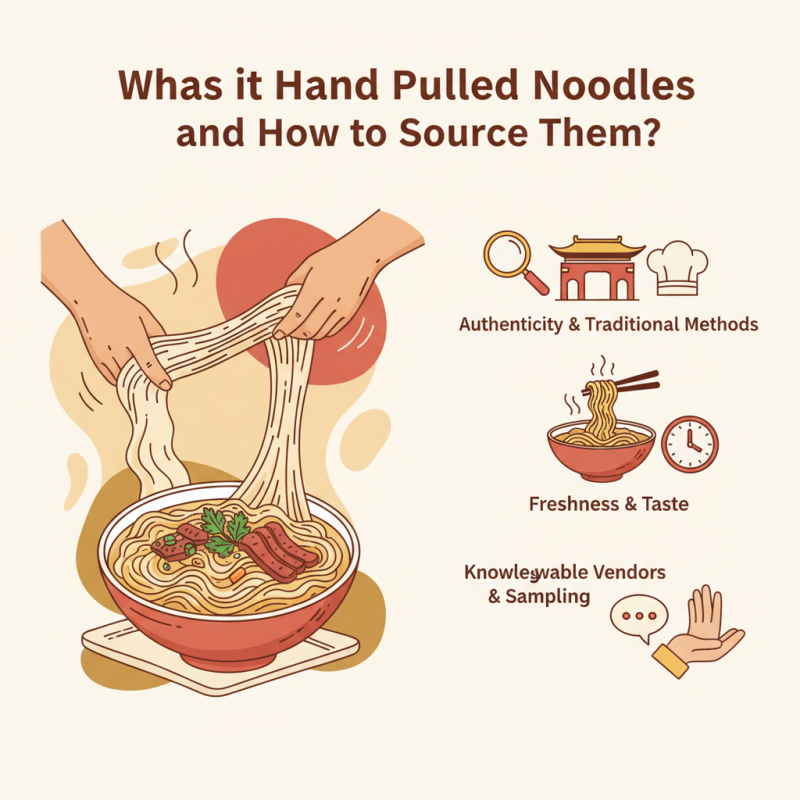
Hand Pulled Noodles are a beloved staple in many Asian cuisines. Their unique texture and flavor make them a favorite among food lovers. The process of creating these noodles is an art form. It involves stretching and folding the dough multiple times, resulting in chewy, aromatic noodles.
Finding the right source for Hand Pulled Noodles can be challenging. Not all noodles are created equal, and the quality can vary greatly. Authenticity is key when searching for true Hand Pulled Noodles. Look for businesses that specialize in traditional methods. They should have a reputation for quality and craftsmanship.
Importantly, consider the freshness of the noodles. Freshly made Hand Pulled Noodles provide a superior taste. It's essential to ask about ingredients and preparation methods. Engaging with knowledgeable vendors can enhance your experience. Yet, be aware that not every vendor may meet your expectations. Therefore, don't hesitate to sample and explore before making a commitment.
What Are Hand Pulled Noodles?
Hand pulled noodles, known as "lamian" in Chinese, are a traditional style of noodle with a rich history. Originating from the Muslim communities in China, these noodles are made from simple ingredients: flour, water, and salt. The dough is kneaded and stretched by hand, resulting in a unique texture that is chewy and slightly firm. According to industry reports, the demand for hand pulled noodles has surged, reflecting a growing interest in authentic culinary experiences worldwide.
The process of making these noodles is an art form. Expert chefs can pull the dough into long strands with skillful movements. It is not just about technique; the quality of the flour greatly influences the final product. Research indicates that high-gluten flour yields the best results, reinforcing the importance of ingredient selection in achieving the desired texture and taste. Enthusiasts often seek out local artisans or specialized markets to find the freshest hand pulled noodles.
Despite their popularity, sourcing authentic hand pulled noodles can be challenging. Many consumers may not know where to begin. While some find pre-packaged versions, they often lack the quality and freshness of handmade varieties. A growing number of restaurants are now embracing this craft, further boosting interest among food lovers. Yet, it's essential to recognize that not all establishments offer genuine hand pulled noodles, leading to varying experiences in flavor and texture.
Hand Pulled Noodles Popularity by Country
The History and Cultural Significance of Hand Pulled Noodles
Hand pulled noodles, known as "la mian", have a rich history in Chinese cuisine that dates back over 2,000 years. This traditional method of making noodles is an art form. Skilled chefs stretch and pull a single piece of dough until it transforms into long, thin strands. Each strand has a unique texture, providing a delightful bite.
A report by the National Bureau of Statistics of China highlights that the consumption of hand-pulled noodles has increased by 35% in urban areas since 2015.
The cultural significance of hand pulled noodles is profound. They symbolize craftsmanship and dedication. In many regions, these noodles are offered during celebrations and family gatherings, embodying unity and tradition. According to a survey by the Asian Food Institute, over 70% of respondents see hand-pulled noodles as an essential part of their cultural identity. However, the modern food industry often overlooks this traditional technique, favoring mass production. This shift raises questions about authenticity and preservation in culinary practices. While hand pulled noodles bring joy, the challenge lies in maintaining their traditional methods amidst a fast-paced world.
Techniques and Ingredients Used in Making Hand Pulled Noodles
Hand-pulled noodles are a traditional dish, known for their unique texture and flavor. The art of making these noodles relies on simple ingredients: high-protein flour, water, and salt. This combination creates a dough that is both elastic and strong. Mastering the kneading process is crucial, as it develops the gluten structure needed for pulling.
The technique of hand-pulling can vary significantly. Chefs often start with a small dough piece. They stretch and fold it repeatedly, creating long, thin strands. This method requires skill and patience. Many first-time cooks encounter challenges in achieving the perfect consistency. Overworking the dough can lead to toughness, while under-kneading results in breakage during pulling.
Ingredients and techniques are also influenced by regional styles. Some cultures incorporate egg for richness, while others prefer a simpler approach. Understanding these differences can enhance one's noodle-making skills. Experimenting with different flours may yield surprising results, too. Not every attempt will be successful, but each failure is a learning opportunity. Embracing imperfection in the process can lead to personal creativity in hand-pulled noodles.
Where to Buy Authentic Hand Pulled Noodles Globally
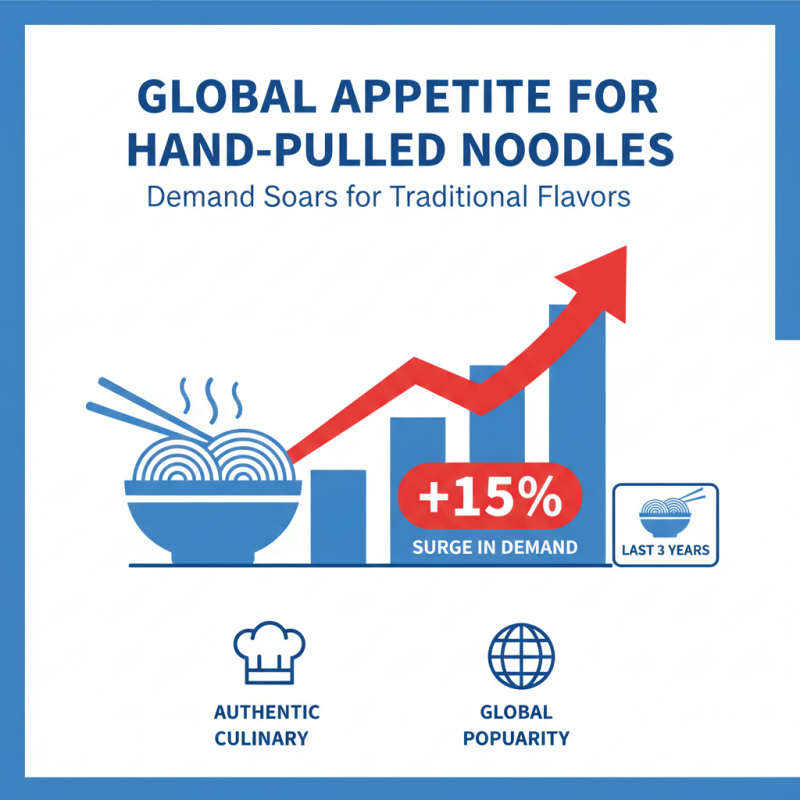
Hand-pulled noodles, known for their unique texture and flavor, have gained immense popularity. Sourcing authentic hand-pulled noodles can be challenging due to a lack of standardized suppliers. According to a recent industry report, the demand for handmade noodles has surged by 15% in the past three years. This indicates a growing appreciation for traditional culinary methods and the desire for genuine flavors.
When searching for authentic hand-pulled noodles, consider local Asian markets. Many cities have suppliers dedicated to fresh, handmade products. Online platforms also offer access to a broader range of authentic options. However, ensure that the sellers provide detailed information about their production process. Transparency is crucial for verifying authenticity. Some online reviewers noted inconsistencies in quality, suggesting the need for careful selection.
Restaurants are another valuable source. Many establishments emphasize their dedication to traditional techniques. Dining establishments often showcase local artisans who take pride in their noodle-making. Indeed, regional variations often lead to diverse flavors. A recent survey found that 65% of consumers prefer handmade noodles for their distinct taste. Still, experiences can vary widely. It’s essential to support those committed to preserving culinary traditions.
Tips for Cooking and Enjoying Hand Pulled Noodles at Home
Hand-pulled noodles are a unique culinary delight, known for their chewy texture and rich flavor. When cooking them at home, key tips can enhance your experience. Start by choosing high-quality flour. A higher protein content supports gluten formation, making the noodles stretchier. Research indicates that flour with around 12-14% protein yields the best results for noodles. Hydration levels also matter. Aim for a dough hydration of about 30-40% for proper elasticity.
Kneading is crucial. Knead the dough for at least 10-15 minutes. Let it rest for 30 minutes. This process allows the gluten to develop, giving the noodles their chewy character. When pulling the noodles, work steadily. Consistent thickness ensures even cooking. Reports indicate that many home cooks struggle with achieving this technique. Patience is key.
Cooking the noodles requires boiling in well-salted water. It enhances the flavor significantly. Many expert chefs recommend just a few minutes of cooking to maintain firmness. After cooking, rinse them briefly in cold water. This improves texture and prevents sticking. Pair your noodles with simple sauces to elevate your meal. A simple garlic soy sauce can work wonders. Remember, practice makes perfect. Mistakes along the way are part of the journey to mastering hand-pulled noodles.
What is Hand Pulled Noodles and How to Source Them? - Tips for Cooking and Enjoying Hand Pulled Noodles at Home
| Dimension |
Details |
| Origin |
China, particularly North-Western regions |
| Ingredients |
Wheat flour, water, salt |
| Texture |
Chewy and elastic |
| Cooking Time |
Typically 5-7 minutes after pulling |
| Serving Suggestions |
With broth, stir-fried, or in salads |
| Cultural Significance |
Celebrated in many Chinese festivals and family gatherings |
| How to Source |
Local Asian markets, online specialty stores |
| Tips for Cooking |
Use plenty of water, don't overcrowd the pot, and consider the timing to maintain texture |
| Pairing Suggestions |
Chili oil, garlic, green onions, and various sauces |
| Storage Guidelines |
Keep refrigerated in an airtight container; best consumed fresh |