Leave Your Message

Knife Cut Noodles Tips for Perfect Texture and Flavor Every Time

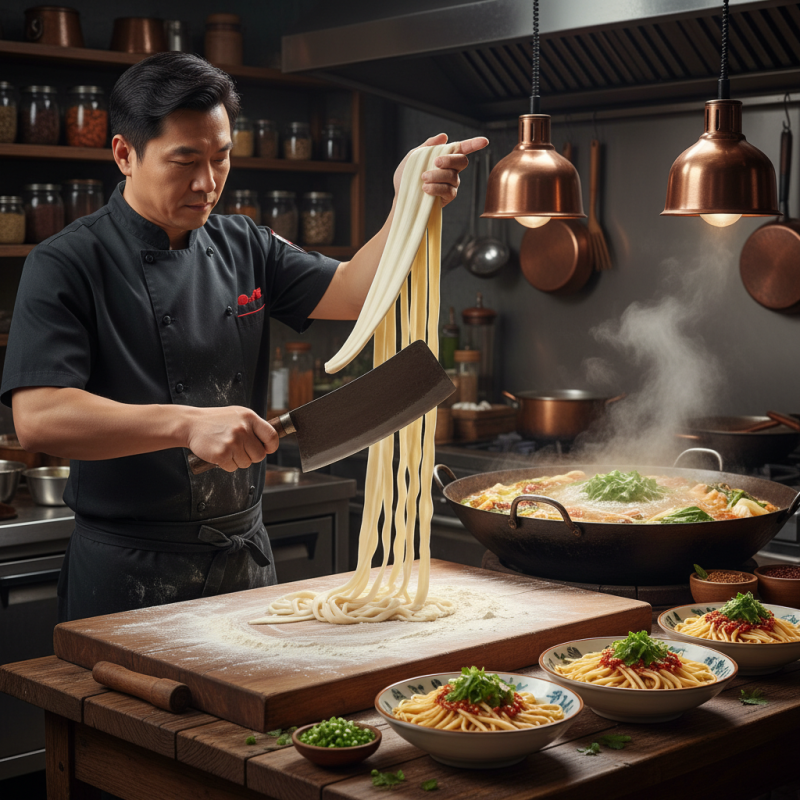
Knife Cut Noodles are a beloved staple in various culinary traditions, especially within Chinese cuisine. The unique texture and flavor of these noodles can elevate a dish from ordinary to extraordinary. According to renowned culinary expert Chef Lin Zhou, "The right technique and understanding of dough can transform Knife Cut Noodles into a masterpiece of flavor and texture." This insight captures the essence of what makes these noodles special—their preparation is as much an art as it is a science.

Creating the perfect Knife Cut Noodles involves mastering the balance of ingredients and the intricacies of the cutting technique. With a few helpful tips and an understanding of the essential steps, anyone can achieve delicious results. From the right flour to use to the ideal kneading methods, the journey towards mastering these noodles is filled with both challenges and rewards. As we delve into the tips for perfecting Knife Cut Noodles, we'll explore the crucial elements that contribute to their distinctive qualities, ensuring that each bowl is filled with rich flavor and satisfying texture every time.
Knife Cut Noodles Tips for Perfect Texture and Flavor Every Time

Knife Cut Noodles: An Introduction to the Art of Noodle Making

Knife cut noodles, known for their unique texture and the skill involved in their creation, represent a cherished culinary tradition in many cultures. At the heart of this art form lies the technique of cutting fresh dough into sheets before expertly slicing them into strips. This method not only influences the noodle’s shape but also affects how well they absorb flavors from sauces or broths. Achieving the perfect knife cut noodle requires practice and attention to detail, as the thickness of each cut plays a significant role in the final dish.

To begin, selecting the right type of flour is crucial; a blend of higher protein flour can help create a firmer dough that holds its shape during cooking. After kneading the dough to achieve the desired elasticity, resting it ensures that the gluten relaxes, making it easier to roll out. The traditional method involves using a sharp knife for precise cuts, which can vary in width depending on personal preference or the intended dish. Mastering this technique opens up a world of flavor possibilities, allowing home cooks to experiment with various sauces and ingredients that complement the texture of knife cut noodles beautifully.

Choosing the Right Flour for the Perfect Knife Cut Noodles

When it comes to making knife cut noodles, the choice of flour plays a pivotal role in achieving the desired texture and flavor. The two most commonly used flours for this type of noodle are all-purpose flour and bread flour. All-purpose flour offers a balanced composition, making it versatile for various types of noodles, while bread flour, with its higher protein content, contributes to a chewier and more robust texture. This is particularly beneficial when you want your noodles to hold up against rich sauces and broths.

Another important aspect to consider is the protein content in the flour, which directly influences the noodle's elasticity and bite. A flour with around 10-12% protein is ideal for achieving that perfect noodle consistency. Additionally, the addition of alkaline water or a small amount of sodium carbonate can enhance the texture, giving the noodles that characteristic springiness and bite. Experimenting with different flour types and ratios can lead to unique flavor profiles and textures, allowing you to customize the noodles to your personal taste and preference.

The Importance of Water Temperature in Noodle Dough Consistency

Water temperature plays a crucial role in determining the consistency and quality of noodle dough. When making knife-cut noodles, achieving the perfect balance in dough texture is essential for optimal flavor and mouthfeel. Using hot water can help in developing gluten, which gives the noodles their desired elasticity and chewiness. The heat allows for a quicker hydration of the flour, leading to a softer dough that is easier to roll out and cut.

Conversely, using cold water may yield a firmer dough, which can be beneficial depending on the style of noodles being made. Cold water slows down the hydration process, resulting in a denser texture that holds its shape better during cooking. This approach can be particularly useful for achieving a more robust noodle that can withstand vigorous stirring or dipping. Understanding the effects of water temperature on noodle dough is essential for any cook aiming to master the art of knife-cut noodles, as it directly influences the final product's texture and flavor.

Knife Cut Noodles Tips for Perfect Texture and Flavor Every Time - The Importance of Water Temperature in Noodle Dough Consistency

Water Temperature (°C) Dough Consistency Texture Result Flavor Profile Recommended Usage
20 Soft and Elastic Chewy Mild Soups
30 Moderately Firm Smooth Balanced Stir-fries
40 Very Firm Bouncy Rich Dumplings
50 Crumbly Fragile Subtle Salads

Step-by-Step Guide to Cutting Noodles with a Knife

Cutting noodles with a knife can seem daunting, but with a structured approach, you can achieve the perfect texture every time. Start by selecting the right type of dough for your noodles; a firmer dough will hold its shape better when cut. Once your dough is prepared, let it rest for a bit. This resting period allows the gluten to relax, making the dough easier to roll out thinly.

When you're ready to cut, use a sharp knife for clean edges. Roll out your dough into a thin sheet and lightly dust it with flour to prevent sticking. Fold the sheet over itself two or three times, ensuring it's not too compact, and then slice through the folds at your desired width. If you're looking for wider noodles like pappardelle, aim for about an inch, while thinner cuts for dishes like fettuccine should be around a quarter-inch. After cutting, gently unravel the noodles and allow them to dry slightly before cooking. This method not only aids in texture but also enhances the flavor by allowing better absorption of sauces.

Cooking Techniques to Enhance Flavor and Texture of Knife Cut Noodles

Knife Cut Noodles Tips for Perfect Texture and Flavor Every Time

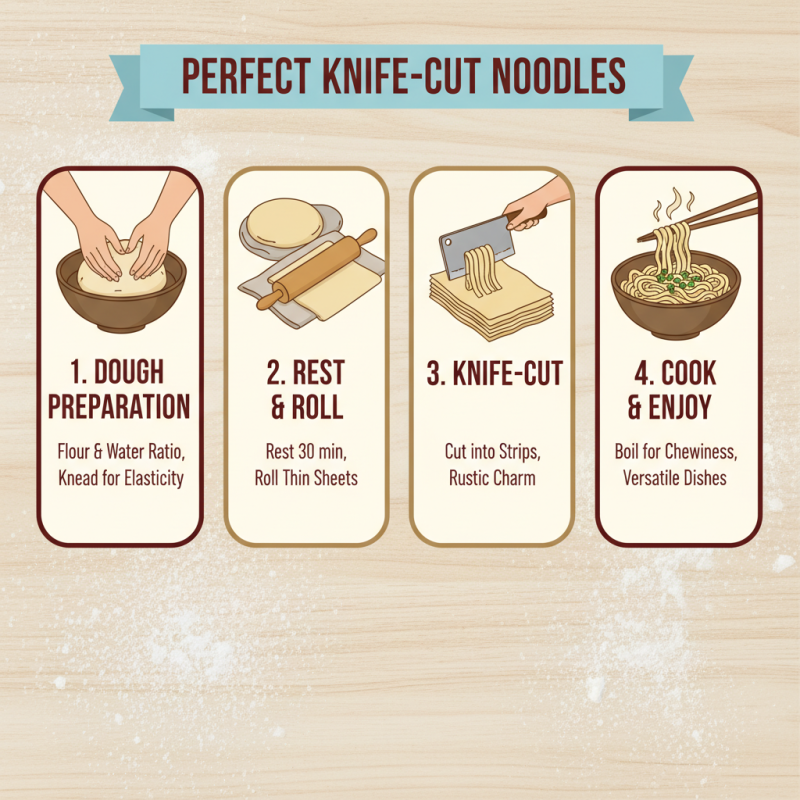
Knife cut noodles, known for their chewy texture and rustic charm, require specific cooking techniques to truly enhance their flavor and texture. Begin by preparing your dough with the right ratio of flour and water, ensuring it is adequately kneaded to achieve elasticity. After resting, roll the dough out into thin sheets before cutting them into strips. This method creates noodles that will have a wonderful bite when cooked, making them perfect for a variety of dishes.

To achieve the best results, remember these tips: first, always cook the noodles in plenty of boiling water. This prevents them from sticking together and allows them to cook evenly. For added flavor, consider seasoning the cooking water with salt or even a splash of soy sauce. After cooking, don’t forget to rinse the noodles briefly under cold water. This step stops the cooking process, locks in the chewiness, and ensures that the sauce clings to the noodles beautifully.

Lastly, to elevate the dish, pair your knife cut noodles with vibrant vegetables and aromatic ingredients. Stir-frying with garlic, ginger, or scallions can infuse the noodles with rich flavors. Additionally, a splash of sesame oil or a sprinkle of toasted sesame seeds can add depth to your dish, making each bite a delightful experience.