Why Are Knife Shaved Noodles Gaining Popularity Worldwide?
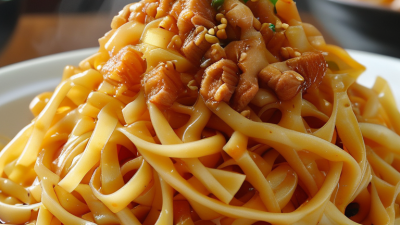
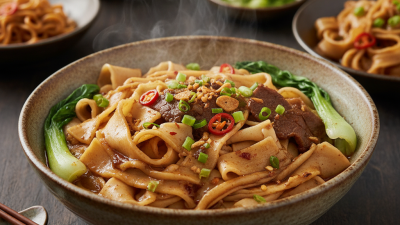
Knife Shaved Noodles are taking the global culinary scene by storm. This traditional dish, rooted in Chinese cuisine, is beloved for its unique texture and flavor. The craftsmanship involved in making these noodles sets them apart. Chefs skillfully shave fresh dough into thin strands, creating a delightful chewiness that many find irresistible.
People around the world are intrigued by the art of Knife Shaved Noodles. Food enthusiasts seek out authentic experiences. Street vendors and restaurants showcase their talent, drawing crowds. The process of shaving noodles adds an element of spectacle. Diners appreciate the personal touch and the freshness of their meal.
However, the growing popularity raises questions. Are we losing the traditional methods in favor of mass production? The balance between authenticity and modernization is delicate. As Knife Shaved Noodles gain fame, respecting their origins becomes essential. Food trends often shift quickly, but the love for these noodles might stand the test of time.
The Origins of Knife Shaved Noodles in Traditional Cuisine
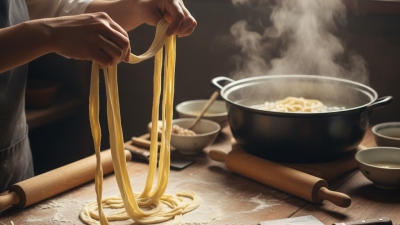
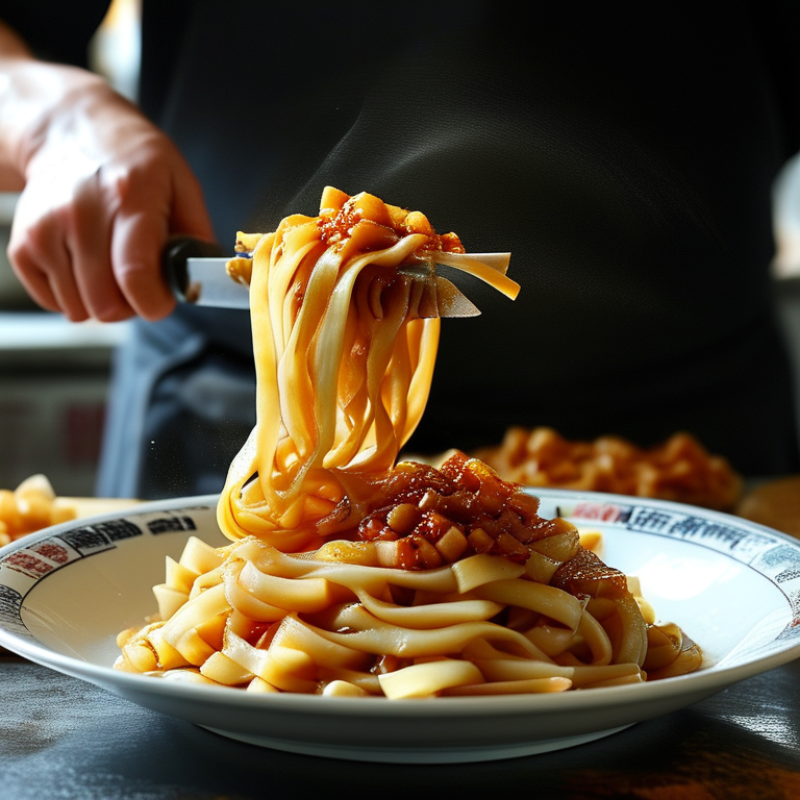
Knife shaved noodles, known as "dao xiao mian" in Chinese, have roots deeply embedded in traditional cuisine. This cooking method emerged from the northern regions of China. With a simple yet profound technique, chefs shave noodles directly from a large block of dough. This creates a unique texture, allowing the noodles to absorb flavors better than regular pasta. As more people travel and explore diverse cuisines, the authenticity and rich history of these noodles attract a growing audience.
In recent years, knife shaved noodles have gained attention in culinary reports. According to the National Culinary Institute, noodle consumption worldwide rose by 25% in the last decade. The unique preparation of knife shaved noodles adds to their appeal. They offer a blend of chewiness and slurp-worthy enjoyment, captivating food enthusiasts and chefs alike. Moreover, their ability to be paired with various broths and sauces enhances their versatility in contemporary dining.
However, there are challenges to consider. Authentic knife shaving requires skill and practice. Many amateur cooks struggle with the technique, leading to uneven noodles. There's also a risk of diluting tradition as these noodles are adapted for global markets. Although innovative adaptations emerge, they may stray from authentic flavors. Balancing tradition with modern preferences remains a topic of debate among chefs and culinary experts.
Popularity of Knife Shaved Noodles Worldwide
The Unique Texture and Flavor Profile of Knife Shaved Noodles
Knife shaved noodles are a culinary sensation. Their unique texture appeals to many. These noodles are not just about aesthetics; they offer a delightful chewiness that standard noodles often lack. The way they are crafted contributes to their appeal. Here's what sets them apart.
The process of knife shaving creates a varying thickness. This variance allows for a mix of textures in each bite. One moment, the noodle is soft; the next, it's slightly firm. This dance of textures enhances the dining experience. Moreover, these noodles absorb flavors better than others. They capture the essence of sauces and broths brilliantly. Each mouthful bursts with flavor, making every dish memorable.
However, they are not without challenges. The technique requires skill. Achieving the right thickness is crucial. Improper cutting can lead to uneven cooking. Not everyone can master the knife skills needed. It's a journey of improvement for many chefs. The beauty lies in the practice and patience required to perfect this art.
Cultural Significance and Regional Variations of Knife Shaved Noodles
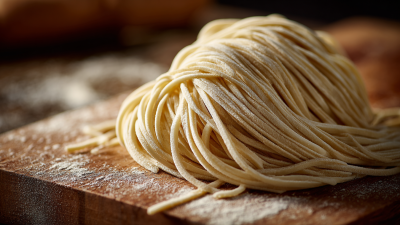
Knife shaved noodles, a traditional dish from regions like China, have recently caught global attention. Their unique preparation involves using a knife to shave dough into thin, flat noodles. This method not only enhances texture but also allows for rich flavors to seep in. People are drawn to the visual appeal of the freshly shaved noodles.
Cultural significance varies across different regions. In Shanxi, these noodles symbolize family gatherings and celebrations. In contrast, the northern regions emphasize their role in quick, accessible meals. Each variation brings a distinct taste and texture, offering a glimpse into regional culinary traditions.
The rise of food blogs and social media has contributed to their popularity. Travelers share photos and recipes, encouraging others to try making them at home. However, achieving the right consistency can be challenging. Many home cooks find it tricky to perfect the knife technique. This complexity adds an element of intrigue, inviting curious food enthusiasts to explore.
Global Food Trends: The Rise of Handmade and Artisanal Noodles
The rise of handmade and artisanal noodles has captured the culinary world’s attention. According to a recent report by Grand View Research, the global pasta market is projected to reach $70.87 billion by 2027, driven in part by consumer demand for authentic, traditional foods. Knife-shaved noodles, with their unique texture and flavor, are at the forefront of this trend. These noodles, made from fresh dough and crafted by hand, offer a personal connection to food that many seek in today’s dining experiences.
A 2020 survey by Food & Wine revealed that 65% of millennials prefer handmade products over mass-produced options. This shift towards artisanal noodles suggests a broader cultural movement, where quality is valued over convenience. The trend has prompted many chefs and home cooks to experiment with traditional techniques, often leading to deliciously imperfect results. A slight unevenness in noodle cuts can enhance their appeal, as diners appreciate the artistry behind each dish.
Tips for those looking to dive into this trend: start with simple ingredients, focusing on flour, water, and salt. Use a sharp knife and practice consistency, but don’t be afraid of flaws. Each handmade noodle tells a story. Explore local markets for inspiration and ingredients, and consider joining workshops to refine your skills. Embracing imperfection can lead to delightful culinary discoveries.
Why Are Knife Shaved Noodles Gaining Popularity Worldwide?
| Region |
Popularity Growth (%) |
Main Ingredients |
Culinary Uses |
Serving Style |
| Asia |
25% |
Wheat flour, Water |
Soups, Stir-fry |
Noodle bowls, Family-style |
| North America |
15% |
Eggs, Flour |
Pasta dishes, Salads |
Plated, Gourmet |
| Europe |
18% |
Semolina, Water |
Casseroles, Soups |
Traditional, Modern twists |
| Australia |
20% |
Rice flour, Tapioca |
Stir-fry, Curries |
Fusion, Street food |
Social Media Influence on the Popularity of Knife Shaved Noodles
Knife shaved noodles are increasingly popular around the globe. The influence of social media is crucial in this trend. Platforms like Instagram and TikTok showcase these unique dishes, attracting many food lovers. The vibrant textures and shapes of knife shaved noodles catch the eye, prompting people to share their experiences online. A report by the Food Marketing Institute highlighted that 64% of consumers discover new foods through social media.
The visual appeal of these noodles captivates audiences. Posts featuring master chefs skillfully crafting noodles engage viewers. According to a recent study by Pew Research Center, 41% of adults say social media impacts their eating habits. Many seek out trendy foods after seeing friends or influencers enjoying them online. This reflects a change in the way food preferences are formed today.
However, reliance on social media for food choices raises questions. Is this trend sustainable? Food fads frequently come and go, leaving some dishes forgotten. The challenge for knife shaved noodles lies in maintaining interest beyond the hype. Continuous creativity and quality will be vital in securing their place in culinary culture.