How to Make Perfect Frozen Steamed Buns at Home: Tips and Tricks
In recent years, Frozen Steamed Buns have gained significant popularity in the food industry. According to a 2022 market analysis by Food Trends Inc., the global market for frozen Asian dumplings, including steamed buns, is projected to reach $4 billion by 2025. This growth reflects an increasing consumer demand for convenient yet authentic food experiences.
Chef Li Wang, an expert in Asian cuisine, states, “Perfecting the art of making Frozen Steamed Buns is not just about the ingredients; it’s also about technique and timing.” This insight highlights the delicate balance required in creating these delightful treats. Despite their popularity, many home cooks struggle with achieving the perfect texture and flavor when freezing and reheating.
Inadequate steaming methods or ingredient choices can lead to buns that are either too dense or lacking flavor. Continuous learning and adjustments are essential. Exploring different filling combinations or testing various steaming times can elevate your Frozen Steamed Buns from average to extraordinary. Small imperfections can offer valuable insights into enhancing your culinary skills.
Essential Ingredients for Perfect Frozen Steamed Buns
To create perfect frozen steamed buns, choosing the right ingredients is crucial. Start with all-purpose flour as your base. It provides the right texture when steamed. Aim for a protein content between 10% to 12%. This helps in achieving softness and chewiness. You might experiment with different flour types, but they can yield inconsistent results.
Yeast is another essential ingredient. Active dry yeast works well for buns. It requires warm water to activate. Be careful not to use boiling water, as it can kill the yeast. A small amount of sugar can boost yeast activity, leading to a fluffier bun. However, too much sugar can make the dough too sweet and affect flavor balance, which is worth considering.
Don't overlook the importance of water quality. Use filtered water if possible. Tap water can impact dough consistency. While you might be tempted to skip measurements, doing so can lead to tough or sticky buns. It seems minor, but the weight of water, flour, and other ingredients must be just right. If you're using filling, keep it balanced. An overload can make steaming difficult and messy. Experiment, take notes, and adjust as needed. Mistakes can lead to delightful discoveries, but they also remind you to refine your technique.
Step-by-Step Dough Preparation Techniques
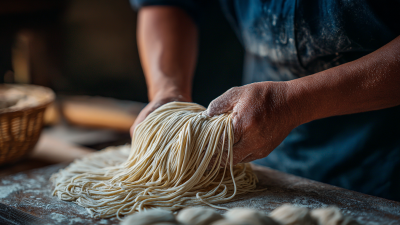
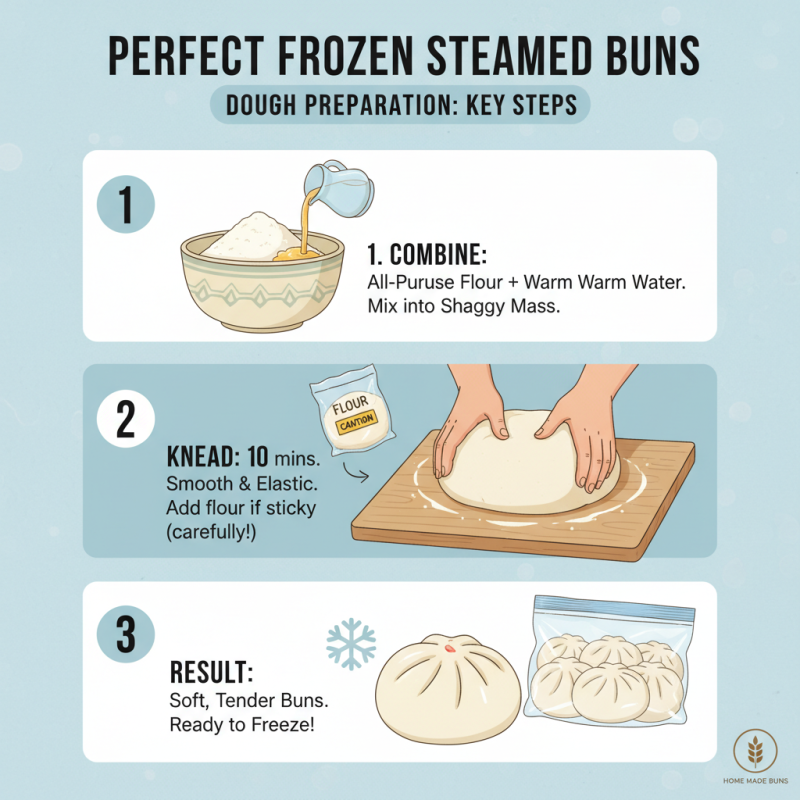
To create perfect frozen steamed buns at home, the dough preparation is crucial. Start with all-purpose flour and warm water. Combine them in a bowl until it forms a shaggy mass. Knead the dough on a floured surface for about 10 minutes. It should be smooth and elastic. If it feels sticky, add a touch of flour. Be cautious, as too much can make the buns tough.
Tips: Allow the dough to rest for at least 30 minutes. This step relaxes the gluten, making shaping easier. If the dough doesn't rise as expected, check the yeast freshness. Old yeast can hinder the fermentation process. Fertile ground often leads to more mistakes.
Wrap the rested dough in plastic to prevent drying. Divide the dough into smaller pieces. Shape each piece into a ball, then flatten it with your palm. Aim for a consistent size to ensure even cooking. Mistakes happen, like uneven thickness. This can lead to buns that are either doughy or burnt.
Tips: Steam gently to avoid overcooking. Monitor the time closely, as steaming for too long may change texture. Ultimately, don't be discouraged by imperfections; they can be learning experiences. Fine-tuning your technique can lead you to better results each time.
Best Practices for Filling and Shaping Steamed Buns
Making perfect steamed buns at home involves mastering the art of filling and shaping. Start with a well-prepped filling. Use ingredients like minced meat, vegetables, or tofu. Balance flavors with spices and soy sauce. Don't overfill the buns; this can lead to bursting during steaming. Aim for about one tablespoon of filling per bun.
Shaping is where many home cooks struggle. Roll out your dough into small circles. Keep the edges thinner than the center. This helps in folding and creates a nice seal. Pinch the edges firmly together to prevent leaks. If the dough feels sticky, use a light dusting of flour. Practice makes perfect. Your first few buns may not look perfect, but learning from mistakes is key. Don't be discouraged by uneven shapes or crimping failures. Each attempt will improve your skills. Enjoy the process!
Steamed Buns Filling Preferences
This chart displays the preference percentages for different types of fillings used in steamed buns, showcasing popular choices among consumers.
Effective Freezing Methods for Steamed Buns
Freezing steamed buns can be tricky, but it's definitely doable. Start with fresh, properly steamed buns. Let them cool to room temperature. If placed in the freezer while warm, they risk developing ice crystals. Use a baking sheet to arrange them in a single layer. This method prevents them from sticking together in the freezer.
After a few hours, transfer the buns into airtight bags. Label them with the date. Remember, it’s essential to remove excess air from the bags. This helps maintain their texture and flavor. When reheating, don't forget to sprinkle some water on the buns. This little trick adds steam and keeps them soft. If you skip this step, you might end up with dry buns.
Sometimes, buns may still stick together. Reflections on the freezing process reveal that patience is key. Experiment with spacing and layering. Each attempt helps refine your technique. With practice, you'll find what works best for your kitchen. Keep enjoying the process of perfecting your frozen buns.
Reheating Frozen Steamed Buns for Optimal Enjoyment
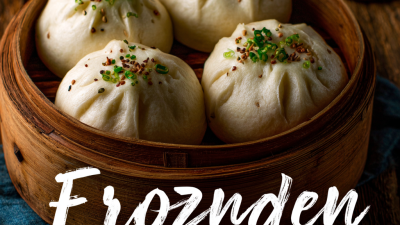
Reheating frozen steamed buns can be daunting. But with the right techniques, you can enjoy them as if they were freshly made. Steamed buns lose their softness when reheated improperly. To avoid this, consider using a bamboo steamer or a microwave.
For the bamboo steamer, prepare a pot of water. Bring it to a boil, then place the buns inside the steamer. Steam for about
10 minutes. This method retains moisture perfectly. The aroma circulates, enhancing the flavor. For some, this is a perfect approach. But it's also easy to over-steam and make the buns soggy.
Monitor them closely.
Using a microwave is quicker. Wrap each bun in a damp paper towel. Place them on a microwave-safe plate. Heat for about
30 seconds. The paper towel retains moisture and keeps the buns fluffy. Yet, microwaves can sometimes create uneven heating. Some parts may get too hot, while others stay cold.
A little patience is required to achieve the right warmth. Experiment with your microwave settings for best results.