Knife Shaved Noodles have gained immense popularity for their unique texture and delightful taste, capturing the hearts of noodle enthusiasts around the world. This traditional method of noodle preparation not only highlights culinary skills but also celebrates the art of home cooking. Mastering the technique of making perfectly knife shaved noodles may seem daunting at first, but with the right tips and tricks, anyone can achieve restaurant-quality results in their own kitchen.
In this guide, we will explore ten essential tips that will elevate your knife shaved noodles to new heights. From selecting the ideal type of flour to achieving the right dough consistency, these simple yet effective strategies will ensure that your noodles have that perfect bite. Furthermore, we will delve into the importance of slicing techniques and cooking methods that contribute to the overall flavor and texture of your dish. Whether you are a seasoned chef or a home cook looking to experiment, these tips will provide you with the confidence to create delicious knife shaved noodles that impress family and friends alike. Get ready to embrace the world of homemade noodles with ease!
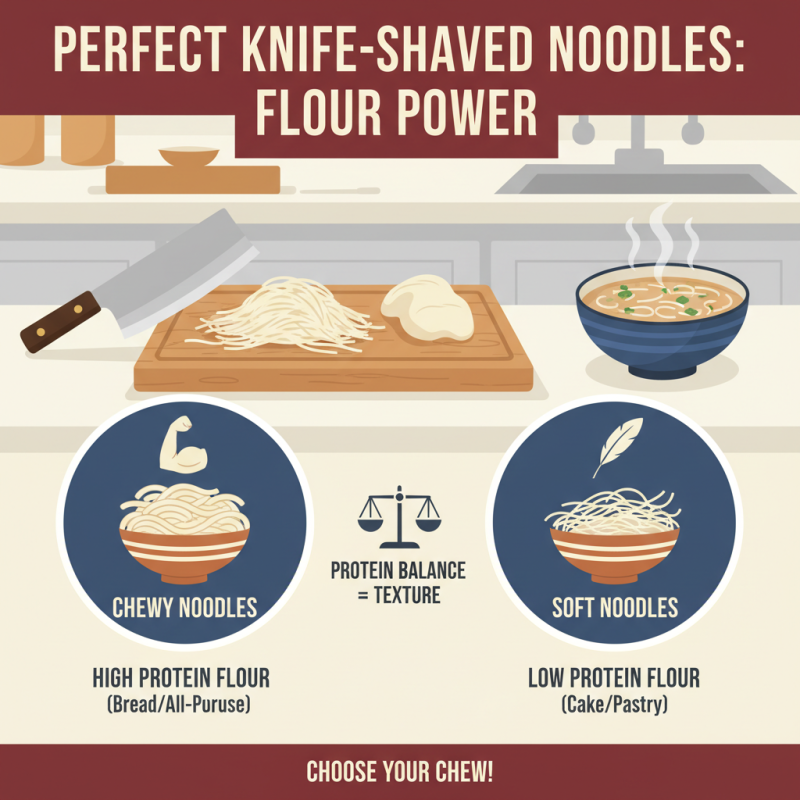
When it comes to making perfect knife shaved noodles at home, selecting the right flour is crucial. The type of flour you choose will significantly affect the texture and flavor of your noodles. Typically, flour with a higher protein content, such as bread flour or all-purpose flour, will yield chewier noodles, while lower protein flours will create a softer texture, ideal for a delicate noodle experience. Understanding the balance of protein content can help you achieve the best results for your desired noodle style.
One tip for ensuring your noodles turn out just right is to experiment with a blend of flours. Combining a high-protein flour with a lower protein variety can help you achieve the perfect balance between chewiness and tenderness. Additionally, don’t forget about hydration; the amount of water you add to your flour mixture also plays a critical role in the dough consistency. Aim for a somewhat firm dough that is still pliable enough to roll out easily.
Another important tip is to allow your dough to rest adequately. Giving the gluten in your dough some time to relax will result in more manageable dough, making it easier to shave into perfect noodles. Resting the dough also enhances the noodle’s texture. By taking the time to choose the right flour and following these tips, you’ll be well on your way to crafting homemade knife shaved noodles that impress!
When it comes to making knife shaved noodles at home, having the right tools is crucial for achieving the perfect texture and flavor. A high-quality chef's knife is essential for cutting the dough into thin slices, as well as a bench scraper or dough cutter that helps to gather and transfer the noodles effectively. According to a report by the International Culinary Institute, the use of precise tools significantly enhances the overall quality of handmade noodles, contributing to a more enjoyable eating experience.
Additionally, a sturdy work surface is vital. A wooden or bamboo cutting board not only provides a stable area for kneading and cutting but also prevents the dough from sticking excessively. To maintain the right consistency of the noodle dough, it’s beneficial to invest in a reliable digital kitchen scale, which can help measure flour and water in accurate proportions. Data from the National Pasta Association indicates that the right ratio of flour to water can alter the noodle's texture by up to 30%, emphasizing the importance of precise measurements in the noodle-making process. By equipping your kitchen with these essential tools, you set the foundation for creating delicious, homemade knife shaved noodles that can rival any restaurant dish.
To achieve perfectly made knife shaved noodles at home, mastering dough consistency is essential. The hydration ratio of your dough significantly influences its texture and elasticity. A good starting point is to use a hydration level between 40% to 50% relative to the flour weight. This balance allows the noodles to retain the right amount of moisture, making them soft yet firm enough to hold their shape during cooking.
Kneading is another crucial technique in preparing the dough. It’s important to knead the dough until it becomes smooth and elastic, which usually takes about 10 to 15 minutes. During this process, you're developing the gluten, which provides the noodles with the desired chewiness. If you find the dough is too sticky, consider lightly flouring your hands and the work surface instead of adding too much flour, which can alter the dough's consistency.
Tip: Letting the dough rest for at least 30 minutes is crucial. This resting period allows the gluten to relax, making it easier to roll out and cut into noodles. Additionally, when slicing the dough into noodles, using a sharp knife ensures clean cuts, which helps achieve the perfect texture during cooking. By focusing on hydration ratios and effective kneading techniques, you can enjoy delicious knife shaved noodles that are a testament to your culinary skills.
This chart represents the correlation between different hydration ratios and the resulting texture quality of knife shaved noodles. The optimal hydration level of 50% yields the highest texture quality rating, making it the preferred choice for achieving perfectly made noodles at home.
Knife skills are essential for achieving perfectly shaved noodles, a technique that has gained popularity in home kitchens. According to a report by the Culinary Institute of America, mastering knife skills can enhance not only the aesthetic presentation of dishes but also improve cooking efficiency and food safety. The precision involved in knife techniques allows for uniform thickness in noodle shavings, which ensures even cooking and helps avoid over- or undercooked pieces. This is particularly crucial for noodles, where texture difference can significantly alter the overall dining experience.
Professional chefs emphasize the importance of proper hand positioning and grip to execute clean cuts. The "claw grip," where the fingers curl under to protect against accidental cuts, and a firm grip on the knife for maximum control, are strategies often recommended. A study from the National Restaurant Association highlighted that proper knife techniques can reduce food waste by up to 20%, as uniform cuts make use of ingredients more efficient. Furthermore, practicing these techniques at home can lead to a better understanding of food preparation, enhancing not just the final product but also the joy of cooking itself.
When it comes to cooking knife-shaved noodles, understanding optimal boiling times is crucial for achieving the perfect texture. Start by bringing a large pot of water to a rolling boil. For fresh knife-shaved noodles, the cooking time is typically around 2-3 minutes, while dried ones may take up to 6-8 minutes. It's essential to keep a close eye on the noodles during cooking, as overcooking can lead to a mushy texture. Taste testing a strand a minute before the lower end of the time range is a good practice to ensure you achieve that ideal al dente bite, enhancing the overall dining experience.
Equally important is selecting the right sauce pairings to elevate your homemade noodles. A light soy sauce with garlic and scallions complements the delicate flavor of freshly made noodles beautifully. For a richer option, a sesame or peanut sauce infused with ginger can provide a satisfying creaminess that envelops the noodles. Experiment with adding vegetables or proteins like sautéed bok choy or grilled chicken to create a well-rounded dish. Balancing the flavors ensures each bite is a delightful blend of textures and tastes, taking your knife-shaved noodle dishes to the next level.