How to Make Perfect Steamed Bao Buns at Home?
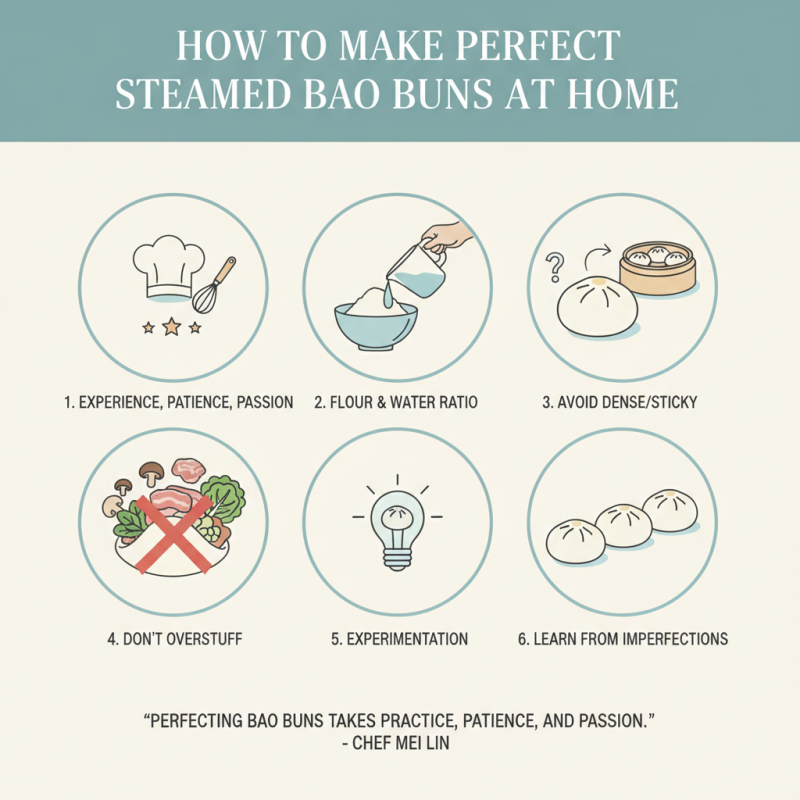
When it comes to mastering the art of making Steamed Bao Buns, experience is key. Chef Mei Lin, a renowned expert in Asian cuisine, once stated, "Perfecting bao buns takes practice, patience, and passion." These fluffy, pillowy buns are a favorite in many households, yet achieving the ideal texture and flavor can be challenging. Experimentation is often necessary to discover what works best for your kitchen.
The process begins with selecting the right flour and water ratio. Many home cooks overlook this, leading to dense or overly sticky buns. Small adjustments can dramatically change the outcome. Additionally, the filling choices are endless, but each must balance with the bun's softness. A common mistake is overstuffing, which can lead to bursting during steaming.
While the pursuit of perfect Steamed Bao Buns may seem daunting, each attempt offers learning opportunities. The imperfections in our first few tries can guide us toward perfecting the craft. Embrace these moments; they lead to delicious discoveries and eventual mastery in creating the ideal bao.
Ingredients Needed for Steamed Bao Buns
When making perfect steamed bao buns, choosing the right ingredients is essential. The main ingredient is all-purpose flour. Ideally, it should have a protein content of around 11-12%. This helps create a soft and fluffy texture. Don't forget to add sugar, as it balances the flavors and aids in fermentation.
Yeast is a key player in this recipe. Active dry yeast works well, but ensure it’s fresh. You’ll need warm water to activate the yeast. Too hot and you risk killing it; too cold and it won’t rise. Adding a pinch of salt is also important, as it enhances flavor and strengthens the dough.
While these ingredients are simple, making bao buns isn’t without its challenges. Sometimes the dough doesn’t rise as expected. This can be due to temperature or old yeast. Always check your ingredients’ freshness. Practice is necessary to master the kneading technique and achieving the desired fluffiness. Each attempt gets you closer to perfection. Remember, learning from imperfections makes the process worthwhile.
Step-by-Step Guide to Making the Dough
Making the perfect dough for steamed bao buns is all about precision and patience. Start by measuring 2 cups of all-purpose flour and mixing it with 1 tablespoon of sugar. Then, add 1 teaspoon of instant yeast. Creating a homogenous blend is crucial. If the mixture feels lumpy, it'll affect the texture of your buns later.
Gradually add 3/4 cup of warm water. Mix until you achieve a shaggy dough. Kneading comes next. You’ll need about 8 to 10 minutes of kneading. The goal is a smooth texture; however, don’t be disheartened if it feels a bit sticky. If it does, just add a little more flour, but not too much. The dough should be soft, yet not overly so.
Once kneading is done, place the dough in a lightly greased bowl and cover it. Allow it to rise for at least an hour. Sometimes, your dough may not rise as expected. It can be due to old yeast or the water temperature being off. If that occurs, don’t panic. Just give it more time or adjust your technique. By paying attention to these details, you’ll improve your bao bun dough-making skills over time.
Tips for Shaping and Filling Bao Buns
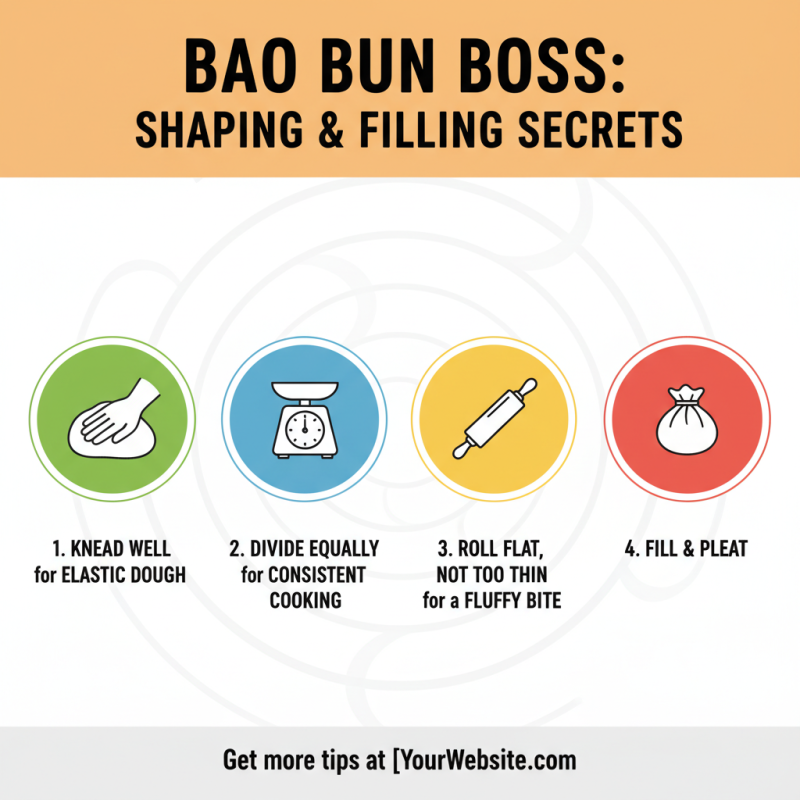
Shaping bao buns can be challenging but rewarding. Start with a well-kneaded dough to ensure elasticity. When dividing the dough, aim for equal pieces. This helps each bun cook consistently. Use a rolling pin to flatten each piece. Don’t roll too thin; you want a bit of thickness for a nice bite.
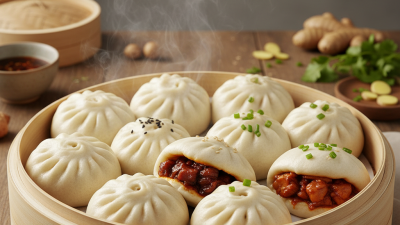
For filling, consider traditional ingredients like pork, chicken, or vegetables. Don’t overfill—this can lead to messy buns. A tablespoon of filling per bun is a good guideline. Close the buns by pinching the edges together. Make sure they are sealed tightly to prevent leaks during steaming.
Here are some tips for perfecting your bao buns. Use your palm to create a smooth surface while shaping. This technique helps avoid wrinkles. Practice different folding methods to find one that works for you. Each attempt may not be perfect, but reflection on your approach will lead to improvement. Enjoy the process, and remember, every bao is a step towards mastery!
Steaming Techniques for Perfectly Cooked Bao Buns
Steaming bao buns requires precise techniques that can make or break your cooking experience. Research indicates that a humidity level of 90% during steaming results in a softer, fluffier texture, which is essential for perfect bao. Ensure that your steamer is preheated for at least ten minutes prior to placing the buns inside. This helps in maintaining the optimal temperature and humidity for steaming.
One common mistake is overcrowding the steamer. Each bun needs space to expand without sticking to others, which can result in dense and unevenly cooked buns. According to culinary experts, allowing at least one inch of space between each bun is crucial. Additionally, using parchment paper can help prevent sticking, making it easier to remove the buns once cooked.
Tips: Experiment with different fillings. Traditional options include pork and vegetable mix. However, consider vegetarian fillings or even sweet options to diversify your bao experience. Also, practice makes perfect; your first batch might not be ideal. Every trial teaches you about timing and steam control, leading to better results next time. Steaming is as much an art as it is a science.
Serving Suggestions and Variations for Bao Buns
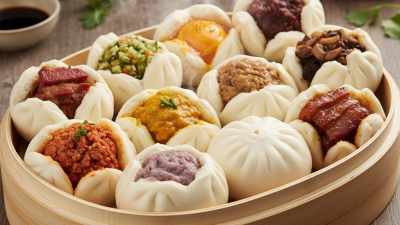
Steamed bao buns are versatile and can be served in various ways. A popular option is to stuff them with
flavorful fillings. You can fill them with braised pork,
spicy tofu, or sautéed vegetables. Each filling offers a
unique taste experience. Play around with flavors to find your preference. You may discover a
combination you didn't expect to enjoy.
Serving suggestions can elevate your bao buns. Pair them with a tangy dipping sauce,
like a soy-vinegar blend. Fresh herbs, like cilantro and green onions,
add brightness. Adding pickled vegetables as a side can enhance the meal. You might even consider making
bao sliders for a fun twist. These allow for mini versions, perfect for sharing or sampling several fillings at once.
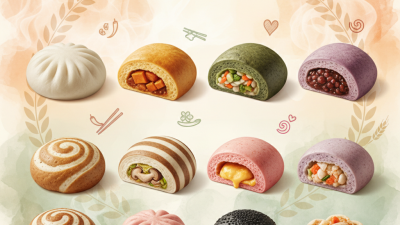
There are many variations of bao buns to explore. Try using different types of flour—rice or whole wheat—for
distinct textures. Experimenting with herbs in the dough can also create interesting flavors. Not every attempt will be
perfect. Some buns may fall flat or become too dense. Each cooking experience is an opportunity to learn and improve.
Embrace the process and refine your technique.