Leave Your Message

How to Source Original Finger Cake in 2026?

Sourcing Original Finger Cake in 2026 requires more than finding attractive product photos. Buyers must verify recipe identity, ingredient quality, production controls, and supplier reliability. “Original” is not automatically a recognized legal standard. It should be defined through measurable details, including flour type, filling ratio, shape, texture, cooking method, and permitted additives.

The global bakery products market reached approximately USD 594.6 billion in 2022, according to Grand View Research’s Bakery Products Market Size, Share & Trends Analysis Report. This scale creates opportunities, but also increases product variation. A Finger Cake may look authentic while using a different recipe, frozen dough, or substitute filling. That assumption can fail.

A credible sourcing process should begin with a written product specification and a small production sample. Check the label, allergen declaration, shelf-life evidence, batch coding, and storage temperature. Request certificates for food safety systems, such as HACCP or ISO 22000, and confirm whether an independent audit supports them. The Food and Agriculture Organization reports that 13% of food is lost before retail globally, making packaging and transport controls commercially important. The UNEP Food Waste Index also shows why accurate forecasting and inventory planning matter.

In practice, compare at least three qualified suppliers. Record sample weight, moisture, aroma, crust color, and texture after reheating. Keep photographs and test results. Small details matter.

Cost still matters, but the cheapest quotation may hide weak traceability or inconsistent batches. I would also review supplier communication speed. It is not a perfect measure, yet it often reveals future friction. A careful 2026 sourcing decision balances authenticity, food safety, evidence, and dependable delivery.
How to Source Original Finger Cake in 2026?

What Defines an Original Finger Cake in 2026?

How to Source Original Finger Cake in 2026?

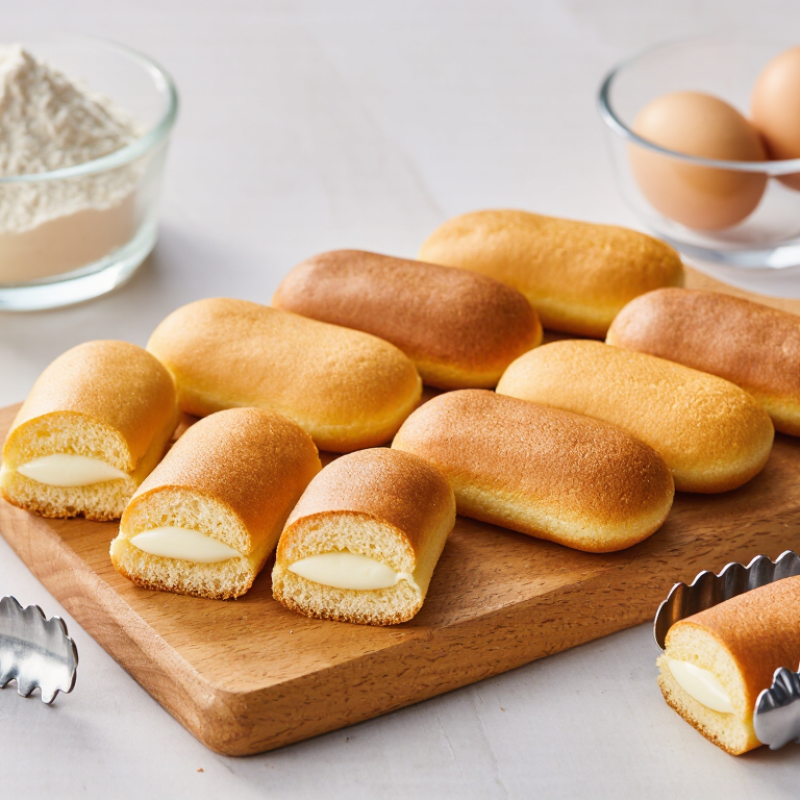
An original finger cake is defined by more than its narrow, hand-sized shape. In 2026, buyers should examine its recipe, production method, and documented origin. A credible supplier can explain the flour type, egg content, sweetener, filling, and baking temperature. Vague descriptions are not enough.

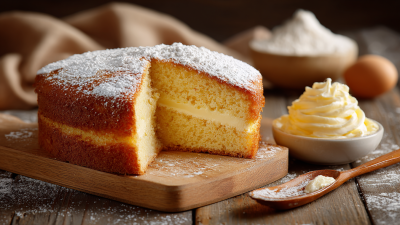
Texture offers useful evidence. The outer layer should feel lightly firm, while the center remains tender and moist. When broken, it should show an even crumb rather than a rubbery interior. A clean vanilla, cocoa, or fruit aroma should develop naturally. Excessive perfume-like fragrance may suggest heavy flavoring. Small variations can be acceptable. Perfect uniformity is not always proof of quality.

During sourcing, request recent production dates, ingredient records, allergen controls, and storage instructions. Traceable batch information adds practical confidence. I would also ask for samples from two separate batches. Compare color, weight, aroma, and softness after 24 hours. This simple test often reveals more than polished photographs. My own judgment is still imperfect; humidity can change the crumb, and tasting conditions can mislead. That is why reliable sourcing combines sensory checks with supplier records, clear communication, and repeat testing.

How to Identify Authentic Finger Cake Ingredients and Methods

Original finger cake begins with traceable ingredients, not attractive packaging. Regional recipes differ, so “authentic” must match a documented local method. Check the flour first. It should have a clear milling origin, consistent protein information, and no unexplained whitening agents. FAOSTAT reported global wheat production near 789 million tonnes in 2023, but abundant wheat does not guarantee suitable flour quality.

Traditional formulas usually show a short ingredient list: wheat flour, eggs, sugar, butter or neutral oil, and measured leavening. The texture offers useful evidence. A fresh cake should have a fine crumb, gentle egg aroma, and lightly browned edges. Excessive chemical smell or a rubbery center suggests rushed mixing or poor baking control. Codex Standard 152-1985 provides recognized specifications for wheat flour, while the FDA Food Code 2022 supports strict hygiene and temperature control during preparation. These standards do not define one original recipe. They help verify handling and raw-material quality.

Tips: Ask suppliers for lot numbers, ingredient specifications, and production dates. Compare the label with a regional recipe, then inspect the crumb after cutting. Keep a tasting record. My own mistake was trusting color too quickly; darker edges looked traditional but came from uneven oven heat. Use a calibrated oven, weigh ingredients, and test one small batch before larger sourcing. Some “authentic” claims remain uncertain without a recipe history or producer documentation.

Where to Find Reliable Finger Cake Producers and Sellers

How to Source Original Finger Cake in 2026?

Where to Find Reliable Finger Cake Producers and Sellers

Finding original finger cake starts with producers who explain their recipe, ingredients, and production location clearly. A reliable supplier should provide a complete ingredient list, batch details, shelf-life information, and storage instructions. Ask whether the cake is baked in small batches or made through large-scale production. The texture can change noticeably.

Request product samples before placing a large order. Check the crust, crumb, aroma, and sweetness after opening the package. Fresh finger cake should feel soft but not wet, with an even golden surface. Ask for recent production photos and packaging images. These details reveal more than polished sales descriptions.

Ask for proof.

I once trusted a supplier’s attractive photos and ignored vague delivery answers. That was a mistake. Now, I check response times, sample consistency, and traceable shipping records. Reliable sellers usually answer specific questions without pressure. They should also explain how damaged goods, delayed deliveries, or quality complaints are handled. Independent food audits, recognized safety documents, and verifiable business information strengthen credibility. However, paperwork alone does not guarantee good taste. Compare samples from several producers, and record differences in weight, moisture, and packaging condition. Local distributors may offer faster delivery, while direct producers often provide better recipe transparency. Neither option is automatically superior.

How to Verify Quality, Freshness, and Product Authenticity

How to Source Original Finger Cake in 2026?

Verifying finger cake begins with the product’s identity, not its attractive packaging. Ask the supplier for the full ingredient list, production date, batch number, and manufacturing records. An original product should have consistent size, texture, color, and labeling across several samples. Request a traceability document linking the batch to its production site. Be careful with vague answers. They often signal weak control.

Freshness requires more than checking the printed date. Examine the cake after opening: the surface should look clean, the texture should match its specifications, and the aroma should be mild and familiar. A stale cake may feel unusually dry, greasy, or tough. Confirm storage temperature, humidity controls, and transport time. A cold shipment can still be damaged by repeated temperature changes. Taste only after checking the package seal.

Use independent testing when the purchase volume is significant. Moisture, microbiological, and ingredient tests can support the supplier’s claims. Compare test results with the product specification, not personal expectations. I once trusted a neat carton too quickly. The inner packs showed uneven sealing. That mistake changed my inspection process. Photos help, but physical samples reveal more. Keep samples, invoices, batch records, and inspection notes together. Authenticity is easier to defend when every detail connects.

How to Compare Prices, Certifications, and Customer Reviews

When sourcing original finger cake in 2026, compare the real cost, not only the shelf price. I record the price per 100 grams, shipping, packaging, minimum order, and expected waste. A cheaper carton can become expensive after breakage. The USDA Food Price Outlook shows that food prices remain sensitive to labor, transport, and ingredient costs. Small differences matter.

Certification checks need careful reading. Ask for a current certificate, audit date, factory address, and covered product category. ISO 22000 confirms a food-safety management system, while BRCGS Food Safety evaluates broader site controls. Neither certificate proves the cake tastes original. Request a batch sample, ingredient specification, allergen statement, and production date. I once trusted a certificate logo too quickly. The scope excluded the actual facility.

Customer reviews reveal practical details that documents miss. PowerReviews reported that 98% of consumers consider reviews an essential shopping resource. Read recent reviews with photographs, especially comments about crumb softness, filling stability, smell, and damaged corners. Repeated complaints deserve more attention than one angry comment. Look for verified purchases and responses that explain corrective action. A four-star average may hide inconsistent batches. It is worth checking ten low-rated reviews manually. Price, certification, and feedback should be matched against the same batch or production period. Otherwise, the comparison looks precise but remains incomplete.

How to Source Original Finger Cake in 2026? - How to Compare Prices, Certifications, and Customer Reviews

Comparison Area What to Check Verified Benchmark or Requirement Evidence to Request Weight Pass Standard
Product identity Recipe, shape, ingredients, filling, country of manufacture, and intended use The specification should identify all ingredients in descending order by weight and disclose allergens where required by the destination market. Signed product specification, ingredient statement, allergen declaration, product photographs, and sample approval record 15% Complete
Price comparison Unit price, minimum order quantity, packaging, freight, duties, and payment terms Compare landed cost per kilogram or per case, not only the quoted ex-works price. Use the same pack size, delivery term, currency, and order volume for every quotation. Dated quotation, Incoterm, freight estimate, tariff classification, case dimensions, and payment schedule 20% Comparable
Food-safety system Hazard analysis, critical controls, sanitation, traceability, and recall procedures A documented HACCP-based system should identify biological, chemical, and physical hazards and define monitoring and corrective actions. Current HACCP plan or an equivalent food-safety-plan summary, audit report, traceability test, and recall procedure 20% Required
Certification status Validity, scope, site address, issuing body, and certification standard ISO 22000 specifies requirements for a food-safety management system; certification must cover the relevant manufacturing site and product scope. Certificate number, issue and expiry dates, scope statement, accredited certification-body details, and online verification record 15% Valid
Regulatory compliance Labeling, additives, allergens, net quantity, dates, and destination-market requirements The label must comply with the importing market. U.S. shipments generally require FDA food-facility registration where applicable; EU shipments must meet applicable EU food-information rules. Destination-specific label artwork, laboratory results, allergen controls, and import documentation 10% Compliant
Batch quality Texture, moisture, appearance, breakage, weight tolerance, and microbiological quality Acceptance limits should be agreed before production and verified with a retained sample from each production batch. Certificate of analysis, batch code, production date, retained sample, inspection report, and complaint trend 10% Within limits
Customer reviews Review volume, recency, verified-purchase ratio, recurring complaints, and response quality Use reviews from the last 12 months where possible. Separate product-quality comments from shipping or marketplace-service comments. Public review URLs, review dates, verified-purchase indicators, complaint-response records, and a sample of negative reviews 10% Consistent
Traceability and logistics Lot coding, shelf life at shipment, storage temperature, transit protection, and delivery performance Every case should be linked to a production lot. The remaining shelf life and storage conditions should be stated in writing before purchase. Lot-code format, shelf-life statement, pallet plan, temperature requirements, shipping records, and delivery-service-level data 10% Documented
Scoring method: Score each category from 0 to 5, multiply by the listed weight, and compare the total out of 100. Do not treat a review rating or a certificate logo as proof by itself; verify the document scope, date, issuing body, and product evidence.
Price formula: Landed cost per kilogram = product cost + packaging cost + freight + insurance + duties + customs or handling fees, divided by the total net product weight received.