Choosing reliable Hand Pulled Noodles suppliers requires more than comparing online product photos. Noodle quality can change during mixing, stretching, cooking, and transport. This guide introduces ten global suppliers that deserve careful evaluation. It considers manufacturing experience, product consistency, export capability, and customer support. It also examines flour selection, noodle diameter, texture, packaging, and shelf-life performance. Small details matter.
A strong supplier should provide clear ingredient lists, production specifications, and traceable quality records. Certifications, factory audits, and food-safety procedures can support greater confidence. Buyers should also verify minimum order quantities, private-label options, lead times, and cold-chain requirements. Sample testing remains essential. A noodle that performs well in a restaurant kitchen may behave differently after international shipping. That difference can affect labor costs and customer satisfaction.
This ranking is not absolute. Supplier strengths may vary by region, order size, and intended use. Some companies may excel in fresh noodles, while others specialize in frozen or dried formats. Public information can also be incomplete, and that limitation deserves attention. The evaluation therefore combines available company data with practical purchasing considerations. Readers should confirm current certifications, pricing, capacity, and delivery terms directly with each supplier. Reliable sourcing takes patience. It also requires asking uncomfortable questions before signing a contract.
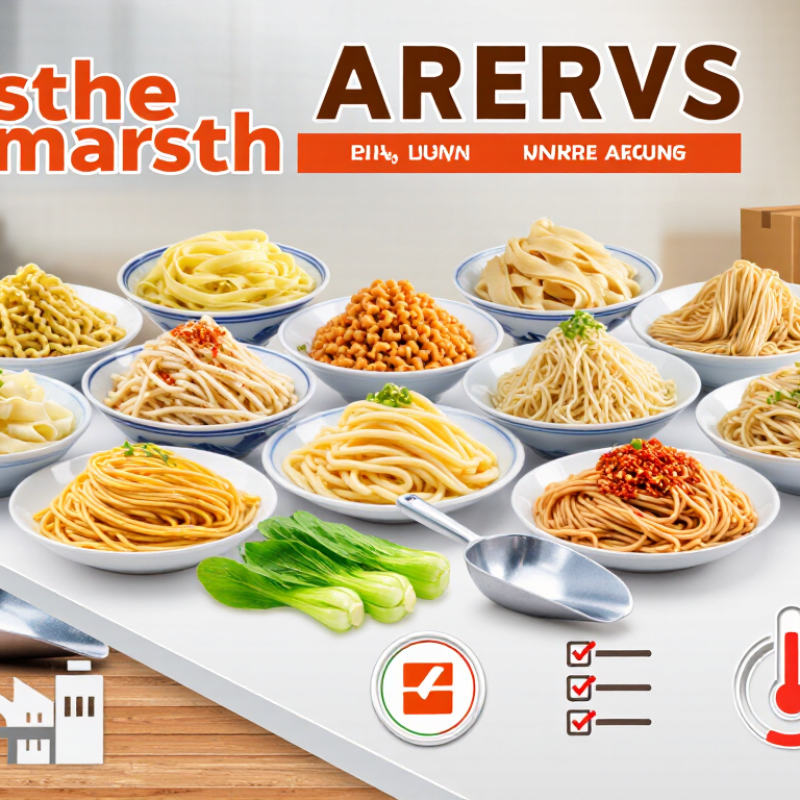
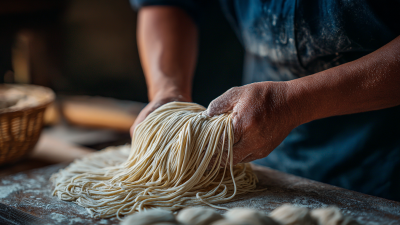
Hand-pulled noodles, known as lamian in Chinese culinary tradition, are made by stretching dough into long strands by hand. The dough usually combines wheat flour, water, and salt. Some cooks add an alkaline ingredient for a springier bite, though formulas vary by region and supplier. The dough must rest. Without enough rest, it resists stretching and breaks.
A cook kneads the dough until smooth, then rolls it into a thick rope. The rope is dusted lightly with flour or starch. Holding both ends, the cook pulls, folds, and pulls again, often doubling the strands with each movement. This repeated action aligns the gluten. Skilled makers use rhythm rather than force. The strands become thinner, sometimes hairlike, while retaining a firm center. They drop directly into boiling water, where cooking may take only a few minutes. Fresh noodles should look smooth, not chalky, and feel elastic when tasted. During supplier checks, I would ask about flour origin, dough-resting time, production hygiene, and delivery temperature. These details affect texture more than impressive strand counts.
The method is simple to describe but difficult to standardize. Humidity changes the dough. So does water temperature. A small mistake can make noodles uneven. I have found that slower pulling often produces better strands than dramatic performance. That point deserves more attention. For international buyers comparing hand-pulled noodle suppliers, samples should be cooked under identical conditions and checked for stretch, aroma, breakage, and consistency. Traditional skill matters, but documented controls make quality more reliable.
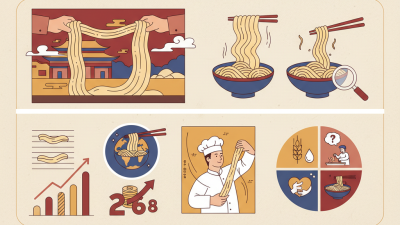
When building a top-ten supplier shortlist, inspect more than product photographs. Ask for ingredient specifications, production capacity, and recent quality records. A reliable supplier should explain flour grades, water ratios, noodle thickness, and drying methods clearly. Request samples from separate production dates. Consistency matters more than one impressive shipment.
Evaluate the factory’s practical controls. Check sanitation procedures, allergen management, metal detection, and batch traceability. Independent food-safety certifications can support trust, but they should not replace an audit. Review packaging strength, storage temperatures, and shipping documents. A supplier with clear answers usually manages problems better. Usually, not always.
Test the noodles in your own kitchen. Record cooking time, stretch, texture, breakage, and broth absorption. Ask whether the supplier can maintain specifications during seasonal demand. Confirm minimum order quantities, lead times, payment terms, and procedures for damaged goods. Communication speed also reveals operational discipline. Slow replies can become expensive delays.
A common mistake is choosing the lowest quoted price. Labor, packaging, freight, and quality checks may be excluded. I would compare landed cost instead. I would also keep written records after every sample test. My own evaluation can still miss hidden production changes, so a second inspection is worthwhile. Good suppliers welcome precise questions, even uncomfortable ones.
Regional Distribution of Leading Hand-Pulled Noodle Suppliers
Leading hand-pulled noodle suppliers are concentrated near large food markets and reliable wheat-processing centers. East Asia remains the strongest production region, supported by deep culinary expertise, skilled noodle makers, and established flour networks. Many suppliers serve restaurants with fresh dough, frozen portions, or shelf-stable kits. The pattern is uneven.
North America and Europe have fewer large-scale producers, but their distribution networks are highly developed. Suppliers there often focus on frozen noodles, restaurant-ready dough, and consistent portion sizes. Cold-chain access strongly affects delivery costs and product quality. A shipment delayed by one day can change texture noticeably.
The Middle East and Southeast Asia are growing regional hubs, especially where urban dining demand is rising. Local suppliers may combine imported flour with regional production, reducing transport time. Australia and New Zealand depend more on import channels, although local processors are expanding carefully. Procurement teams should check flour specifications, production capacity, packaging strength, and traceability records. Those details matter.
Public rankings are useful, but imperfect. Shipment data can mix manufacturers, distributors, and private-label processors. A supplier with fewer exports may still offer better technical support nearby. Buyers should compare sample performance, delivery history, and documented food-safety controls before judging regional leadership. Even experienced purchasers can overlook seasonal flour changes.
Comparative market-screening table based on regional production concentration, foodservice distribution, export suitability, product format, and cold-chain requirements. Supplier identities are intentionally omitted.
| Rank | Supplier Profile | Primary Operating Region | Main Product Formats | Typical Supply Channel | Regional Distribution Coverage | Logistics Characteristics | Market Positioning |
|---|---|---|---|---|---|---|---|
| 01 | Profile A Large-scale traditional noodle producer |
Northwest China Gansu and surrounding provinces |
Fresh pulled noodles Chilled dough portions Frozen noodle portions | Restaurant chains, central kitchens, wholesalers, institutional foodservice | Mainland China, East Asia, Southeast Asia, selected Middle Eastern markets | Fresh products require refrigerated distribution; frozen formats support longer-distance export | Strongest regional association with traditional Lanzhou-style hand-pulled noodles and high domestic demand |
| 02 | Profile B National foodservice noodle manufacturer |
East China Shandong, Jiangsu, and Zhejiang corridor |
Frozen hand-pulled noodles Pre-portioned noodles Soup-noodle kits | Foodservice distributors, hot-pot operators, quick-service restaurants, supermarkets | China-wide distribution with export activity in Asia and North America | Frozen distribution reduces food-safety risk and simplifies inventory management | Well suited to standardized restaurant operations that need consistent portion size and cooking time |
| 03 | Profile C Export-oriented frozen noodle supplier |
South China Guangdong and Fujian coastal manufacturing belt |
Frozen pulled noodles Wheat noodles Private-label packs | Importers, Asian grocery distributors, restaurant wholesalers, private-label buyers | Southeast Asia, Australia, North America, Europe, and the Middle East | Coastal port access supports containerized frozen exports and mixed-product shipments | Competitive export profile because of established frozen-food infrastructure and proximity to major shipping routes |
| 04 | Profile D Specialty fresh-noodle processor |
Taiwan Western urban and industrial corridor |
Fresh noodles Chilled noodles Frozen retail packs | Restaurants, specialty grocers, catering companies, regional distributors | Taiwan, Hong Kong, Southeast Asia, North America, and selected overseas Chinese communities | Fresh and chilled items favor short regional routes; frozen packs are more export-friendly | Emphasis on texture consistency, clean labeling, and restaurant-ready portion control |
| 05 | Profile E Asian foodservice distributor |
Southeast Asia Singapore and Malaysia distribution hubs |
Frozen pulled noodles Dried wheat noodles Restaurant noodle packs | Import distribution, cash-and-carry wholesale, restaurant supply, modern retail | Singapore, Malaysia, Thailand, Indonesia, Vietnam, and Brunei | Regional port connectivity and established frozen-food networks support multi-country delivery | Strong regional access for Chinese, halal-adapted, and pan-Asian restaurant concepts |
| 06 | Profile F North American Asian-food importer |
United States West Coast and major metropolitan distribution centers |
Frozen hand-pulled noodles Dried noodle products Foodservice cartons | Asian grocery chains, restaurant distributors, e-commerce grocery, foodservice wholesalers | United States, Canada, and selected Caribbean markets | Frozen imports typically move through ocean freight followed by domestic refrigerated distribution | Benefits from large Asian-food demand centers and broad restaurant distribution infrastructure |
| 07 | Profile G European specialty Asian-food supplier |
Western Europe Netherlands, Germany, and United Kingdom trade corridor |
Frozen noodles Ambient dried noodles Meal-kit components | Ethnic wholesalers, foodservice distributors, supermarket importers, online retailers | European Union, United Kingdom, Switzerland, and Nordic markets | Ambient products simplify cross-border distribution; frozen products require documented cold-chain handling | Best suited to buyers seeking consolidated European distribution and multilingual packaging support |
| 08 | Profile H Restaurant-chain noodle supplier |
Japan Kanto and Kansai food-manufacturing regions |
Frozen wheat noodles Chilled noodles Ramen and soup bases | Restaurant chains, convenience-food operators, catering groups, wholesalers | Japan, East Asia, North America, Australia, and selected European markets | Highly standardized frozen products are more suitable for international distribution than fresh noodles | Strong process control and restaurant consistency, although traditional hand-pulling may be represented by machine-assisted formats |
| 09 | Profile I Middle Eastern and Gulf-region importer |
Gulf Cooperation Council United Arab Emirates and Saudi Arabia logistics centers |
Frozen pulled noodles Wheat noodle portions Foodservice cartons | Hotel and restaurant suppliers, Asian-food importers, wholesale markets, catering distributors | United Arab Emirates, Saudi Arabia, Qatar, Kuwait, Bahrain, Oman, and nearby markets | Imported frozen products require reliable temperature-controlled warehousing and last-mile delivery | Demand is supported by expanding Asian restaurants, hospitality projects, and international foodservice channels |
| 10 | Profile J Australia and New Zealand Asian-food distributor |
Australia New South Wales, Victoria, and Queensland distribution network |
Frozen hand-pulled noodles Chilled specialty noodles Retail and foodservice packs | Asian supermarkets, restaurant wholesalers, independent grocers, hospitality suppliers | Australia, New Zealand, and Pacific-island foodservice accounts | Long-distance imported products favor frozen formats with established national cold-chain coverage | Suitable for buyers targeting multicultural retail and restaurant markets with strong demand for Asian noodles |
The top ten hand-pulled noodle suppliers serve different commercial needs. A northern Chinese producer focuses on thick, chewy strands and high-volume restaurant orders. A coastal supplier offers thinner noodles for lighter broths and quick-service kitchens. One Japanese workshop emphasizes measured hydration and careful portioning. Another specializes in frozen portions for consistent preparation. A South Korean supplier develops wheat blends with firmer bite and longer shelf life. Its test kitchen records cooking loss for every batch. Small details matter.
A Central Asian producer uses traditional stretching methods and wider noodles for hearty soups. A Southeast Asian factory provides dried hand-pulled styles for retailers and export distributors. One European supplier adapts noodle thickness for local equipment and packaging rules. Its technical staff often helps buyers adjust boiling times. A North American supplier serves foodservice clients with refrigerated dough and flexible minimum orders. The tenth supplier combines private-label production with custom seasoning-free formats. That option suits buyers who want their own recipes.
Reliable sourcing requires more than attractive samples. Experienced buyers should inspect flour specifications, water quality, allergen controls, and production records. Factory visits can reveal cleanliness, worker training, and actual storage conditions. Independent testing remains useful, especially for moisture and microbiological standards. Some suppliers promise perfect texture across every shipment. That promise deserves caution. Hand-pulled noodles naturally vary slightly, even under skilled supervision. I would request three production samples, not one, before approving a long-term contract. Shipping temperature, carton strength, and cooking instructions also need practical testing.
Top 10 Hand Pulled Noodles Suppliers Worldwide?
Product quality should lead the comparison, not catalog size.
A reliable supplier can show flour specifications, dough hydration ranges, tensile strength tests, allergen controls, and batch traceability.
Fresh noodles should arrive with consistent strand thickness and a clean wheat aroma. Dried versions need stable moisture levels and low breakage during transport.
Codex Alimentarius guidance supports documented hygiene controls, while ISO 22000 certification can strengthen food-safety verification. Certification alone is not enough.
Capacity needs proof. Buyers should request audited monthly output, production lead times, backup equipment, and peak-season records. The World Instant Noodles Association reported 123.1 billion servings consumed globally in 2023, showing strong noodle demand, although that figure does not measure hand-pulled noodles specifically. Pricing should compare equal terms. A low ex-works quote may become expensive after packaging, inland freight, ocean shipping, inspection, and import duties. UN Comtrade groups many noodle products under broad customs categories, so trade data offers direction rather than perfect supplier ranking.
Export service often separates a capable factory from a risky one. Check English documentation, ingredient declarations, shelf-life evidence, carton strength, pallet design, and temperature requirements. Ask for FOB and CIF prices in the same currency, with minimum order quantities clearly stated. A practical top-10 evaluation can score quality at 35%, capacity at 25%, pricing at 20%, and export support at 20%. This weighting is useful, but imperfect. Regional freight shocks and seasonal flour costs can quickly change the result.