Leave Your Message

2026 Top Potato Pancakes Suppliers for Global Buyers

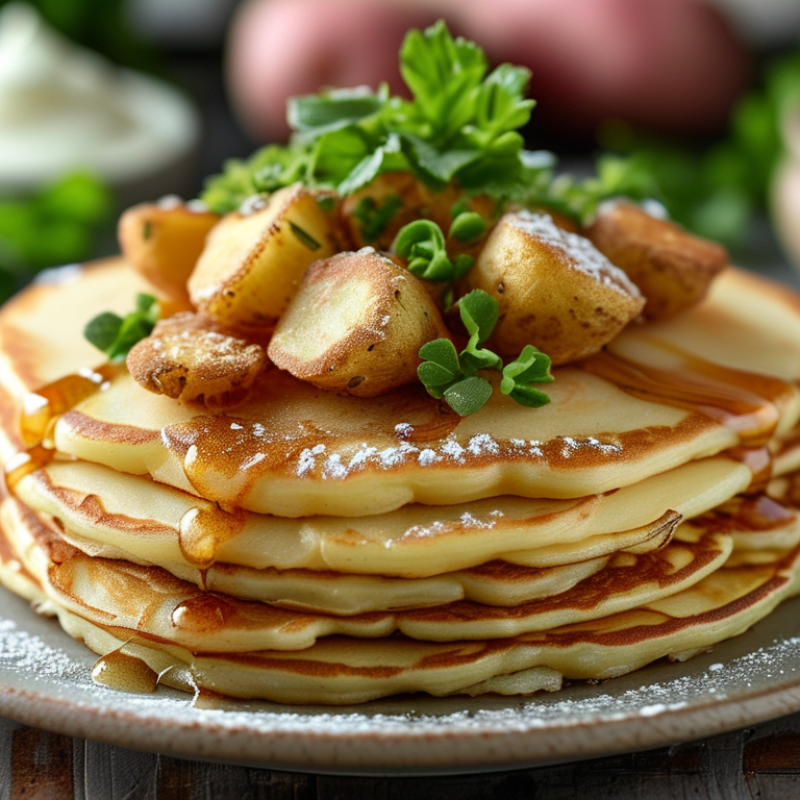
For global buyers, finding reliable Potato Pancakes suppliers in 2026 requires more than comparing prices. Product quality can change with potato variety, moisture, seasoning, frying method, and frozen-chain handling. Experienced procurement teams usually review factory capabilities, ingredient declarations, allergen controls, certifications, packaging performance, and export records before approving samples. A crisp edge may look attractive in a photograph, yet texture can soften after thawing. That detail matters.

This guide focuses on suppliers that can support consistent production, practical customization, and dependable international delivery. It considers frozen, chilled, and ready-to-cook formats, while recognizing that requirements differ between retail shelves, food-service kitchens, and private-label programs. Buyers should ask for batch specifications, cooking instructions, shelf-life evidence, and sample test results. Clear answers build confidence. Vague promises do not.

The selection process also needs commercial realism. Minimum order quantities, lead times, carton dimensions, cold-storage costs, and port schedules can reshape the final landed price. A low quotation is not always economical. Sometimes, the strongest supplier is not the largest factory, but the one that communicates quickly and corrects a production issue transparently. That is practical experience, not a marketing slogan.

Still, no supplier list remains perfect. Market conditions change, audits expire, and a successful sample may not represent every future batch. Buyers should independently verify documents, conduct sensory checks, and confirm terms in writing. We may overlook smaller regional producers with excellent products. That limitation deserves attention. The following overview offers a careful starting point for evaluating 2026 Potato Pancakes suppliers, balancing product appeal with food safety, operational reliability, and long-term partnership potential.
2026 Top Potato Pancakes Suppliers for Global Buyers

Define the Global Potato Pancake Market Using FAOSTAT’s 2022 374.8 Mt Baseline

2026 Top Potato Pancakes Suppliers for Global Buyers

The global potato pancake market needs a clear measurement base. FAOSTAT’s 2022 baseline reports 374.8 million tonnes of global potato production. This figure describes potatoes, not finished potato pancakes. That distinction matters when buyers compare suppliers, prices, and capacity.

For market analysis, the 374.8 Mt figure works as an upstream supply reference. Buyers can examine regional harvest volumes, processing quality, storage access, and transport reliability. A supplier’s real value depends on more than tonnage. It also includes grated potato consistency, moisture control, frying performance, and frozen-chain management.

Details matter here.

A practical sourcing review should request product specifications, allergen controls, batch records, packaging data, and independent testing results. Samples should be cooked under comparable conditions, using the same oil temperature and serving time. This exposes differences in crispness and texture. It also reveals weaknesses that brochures often hide.

The baseline has limits. Potatoes do not automatically become pancakes, and production data cannot measure consumer demand. Conversion rates, waste, local recipes, and informal trade remain difficult to track. I would avoid presenting 374.8 Mt as the finished-product market size. It is a strong reference point, but not a complete answer.

Global buyers should therefore connect FAOSTAT data with verified supplier audits, shipment histories, and regional consumption evidence. Seasonal availability can change quickly. So can energy, labor, and cold-storage costs. A careful supplier comparison needs current evidence, not only a large production number.

Classify Suppliers by HACCP, ISO 22000, BRCGS, and Audit Evidence

For 2026 global potato pancake sourcing, supplier classification should begin with verified food-safety evidence, not attractive product photos.

HACCP confirms hazard analysis and critical control points. ISO 22000 adds a documented food-safety management system. BRCGS certification usually provides deeper requirements for site hygiene, product control, traceability, and audit management.

These standards are not interchangeable.

The World Health Organization estimates that unsafe food causes 600 million illnesses and 420,000 deaths each year. That figure makes audit quality commercially important. Buyers should request a valid certificate, certification scope, site address, audit date, expiry date, and the latest corrective-action report. Check whether the certificate covers frozen potato products, not only another facility or product category. Small details matter.

600 million
illnesses caused by unsafe food each year
420,000
deaths each year

A practical ranking can use three levels.

Level one:

HACCP evidence, process flow diagrams, CCP records, and recent verification logs.

Level two:

ISO 22000 certification, documented internal audits, traceability tests, and supplier approval records.

Level three:

BRCGS certification, strong audit results, environmental monitoring, allergen controls, complaint analysis, and tested recall performance.

ISO’s annual certification survey helps buyers understand management-system adoption, while BRCGS audit requirements support more detailed site verification. Still, certificates can expire, and audits are snapshots.

A supplier with excellent paperwork may still show weak factory discipline. Ask for evidence from the last twelve months.

That step is often missed.

Compare MOQ, −18°C Cold Storage, Lead Times, and HS 2004.10 Trade Data

For global buyers, potato pancake sourcing starts with comparable supplier data, not attractive quotations alone.

MOQ can range from trial cartons to full refrigerated containers, depending on packaging and production schedules. A low MOQ sounds efficient, but it may increase unit costs and limit customization. Ask whether the quoted MOQ applies per flavor, carton, or shipment. Small details matter.

Cold-chain discipline deserves equal attention.

Confirm that finished products remain at −18°C or below, with temperature records during storage and loading. Request evidence from calibrated monitoring devices, not informal assurances. Lead times should separate production, freezing, documentation, and ocean transit. A supplier promising seven days may exclude export inspection or port delays. That is a common gap. Build a realistic buffer, especially before seasonal promotions.

HS 2004.10 trade data can help compare import volumes, declared values, and destination markets for prepared or preserved potatoes.

However, tariff interpretations may differ by jurisdiction, product composition, or processing method. Verify the code with customs professionals before using it in landed-cost models. Trade databases can also contain delayed or incomplete records. Treat them as a screening tool, not final proof.

For reliable comparisons, record MOQ, storage temperature, lead time, shipment history, certificate status, and complaint response in one supplier scorecard. Recheck the figures quarterly. Markets change faster than spreadsheets.

Rank 2026 Suppliers by Capacity, Private-Label Expertise, and Export Reach

2026 Top Potato Pancakes Suppliers for Global Buyers

Rank 2026 Suppliers by Capacity, Private-Label Expertise, and Export Reach

Global buyers should rank potato pancake suppliers by verified performance, not attractive brochures. Production capacity remains the clearest starting point. Top-tier suppliers should demonstrate stable monthly output, modern freezing lines, and backup plans for harvest shortages. Factory visits, production records, and recent shipment documents provide stronger evidence than sales claims.

Private-label expertise separates capable manufacturers from ordinary producers. High-ranking suppliers can adjust potato texture, seasoning, shape, package size, and cooking instructions. They should manage artwork approvals, multilingual labels, allergen declarations, and barcode requirements accurately. Sample testing matters. A crisp edge can disappear after transport, especially when cartons face repeated temperature changes.

Export reach also deserves a practical ranking. Suppliers serving multiple regions usually understand cold-chain planning, pallet standards, customs paperwork, and delivery schedules. Rank A suppliers combine high capacity, flexible private-label production, and reliable exports across several markets. Rank B suppliers may offer strong customization but limited shipping lanes. Rank C suppliers can suit smaller orders, although their capacity may change quickly.

These rankings should remain reviewable. Crop quality, energy costs, port delays, and equipment maintenance can alter results during 2026. I would request current certificates, batch samples, lead-time records, and customer references before signing. One weakness remains easy to miss: a supplier may pass a factory audit yet struggle with consistent texture at commercial scale. Personally, I would test repeat orders before expanding distribution.

Verify Landed Costs, Cold-Chain KPIs, Samples, and Buyer References

2026 Top Potato Pancakes Suppliers for Global Buyers

Supplier rankings should begin with landed cost, not factory price. Add product price, export packing, inland haulage, freight, insurance, duties, port charges, and possible demurrage. FAOSTAT reports global potato production above 370 million tonnes in 2022, but availability does not guarantee stable export economics. Request a shipment-specific quotation. Currency assumptions can distort comparisons.

Cold-chain evidence matters. For frozen potato pancakes, require temperature records from loading to delivery, with storage maintained at or below -18°C. The Global Cold Chain Alliance’s 2024 capacity report highlights the importance of monitored storage and transport continuity. Ask for average transit temperature, excursion frequency, response time, and rejection rates. A data logger is more credible than a promise. Small gaps matter.

Samples should test more than flavor. Check cooking yield, browning, texture after thawing, oil absorption, carton strength, and microbial documentation. Request at least three recent buyer references from comparable markets. Verify whether references purchased regularly, not only once. The World Bank’s 2023 Logistics Performance Index shows that customs and shipment reliability remain major trade variables. A polished sample can still hide weak replenishment. I would keep a contingency supplier, even after a successful audit. Imperfect planning is safer than empty shelves.