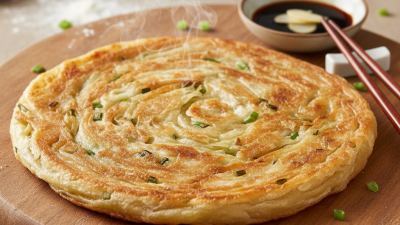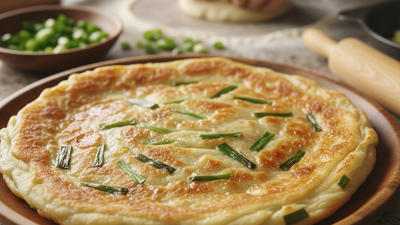
A Green Onion Pancake can be crisp at the edges, tender inside, and layered with finely sliced scallions. The name covers several related styles, not one fixed recipe. Chinese cong you bing is often rolled with oil and scallions, then pan-fried until its surface turns golden and flaky. Taiwanese versions may be thinner or especially crisp, though recipes vary by family and shop. Korean pajeon belongs to a broader pancake tradition and commonly combines green onions with a soft batter. These differences are useful, but they are not always neat.
This guide compares the top types by texture, ingredients, and cooking method. Some pancakes rely on laminated dough for distinct layers; others use batter for a softer, more unified bite. Fillings can also change the experience, from plain scallions to vegetables or seafood. Look for practical details: how the onions are cut, whether the dough is rested, and how much oil reaches the pan. Small choices matter. A pancake browned too quickly may look ready while staying doughy in the center, so heat control deserves attention. Regional names and home recipes overlap, too. That is worth remembering. Rather than declaring one style the best, the guide helps readers identify what they enjoy: crisp layers, a chewy middle, or a lighter, savory pancake.
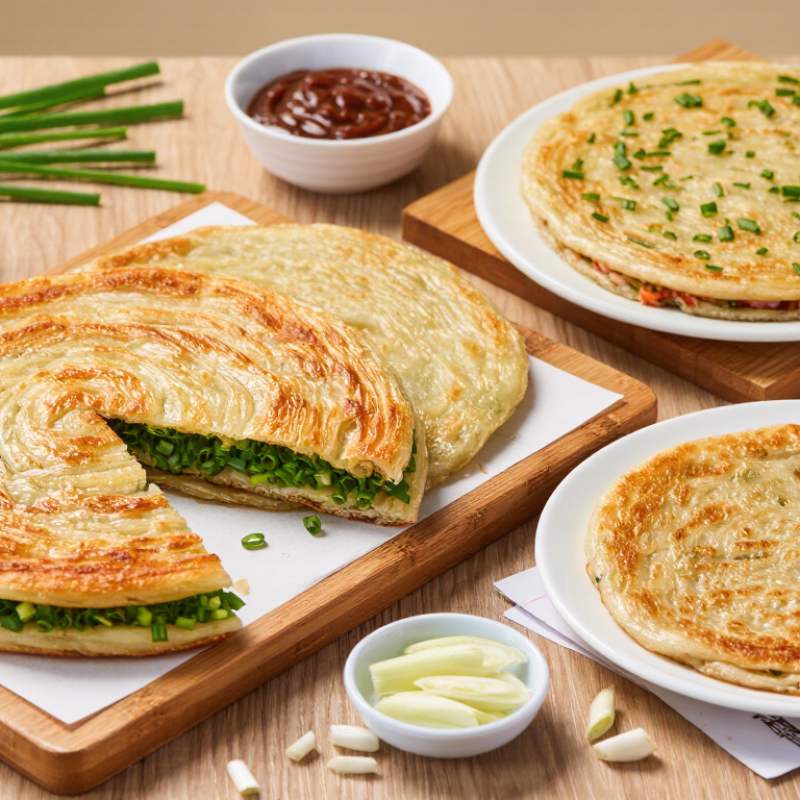
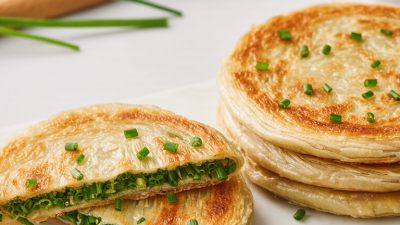
Green onion pancakes vary most in their dough, layering, and cooking method. A simple dough of flour and hot water often feels pliable and chewy, with scallions folded into each portion. Other versions spread oil between thin dough sheets, then coil and flatten them. The result is flakier, with crisp edges and visible layers. Neither style is automatically better; thickness and texture depend on how the dough is handled.
Cooking changes the finish, too. Pan-frying in a lightly oiled skillet creates a browned, crisp surface and a tender center. A hot griddle cooks several pancakes evenly, while oven-baking can produce a drier, less oily bite. Watch the scallions: finely sliced pieces distribute well, but very large chunks may tear thin dough. The first pancake can be uneven. That happens.
Tips: Keep the dough covered while shaping so it does not dry out. Use moderate heat; a pan that is too hot can brown the outside before the middle cooks. Add oil sparingly, then listen for a steady sizzle. A little practice helps, though the layers may not look perfect every time.
Classic Chinese cong you bing is built around a simple contrast: a crisp, browned surface and a chewy, layered center. The dough usually combines flour, warm water, and salt, then rests until it feels smoother and easier to roll. Thinly sliced scallions bring a fresh, savory bite, while a light coat of oil helps separate the layers. Roll the dough into a thin sheet, brush it with oil, scatter scallions over it, then roll and coil it.
That coil matters. Flatten it gently, so the layers stay distinct instead of squeezing into one dense disk. Cook the pancake in a lightly oiled skillet, turning it as golden patches appear and the center cooks through. Pressing too hard can compact the dough. The ideal texture is not uniformly crisp: expect a faint crackle outside and some resistance in the soft middle. In my kitchen, the edges sometimes brown before the center is ready; lowering the heat usually helps. Still, thickness and pans vary, so color alone is not a perfect test. Let the pancake rest briefly, then cut it into wedges. The torn edges reveal its uneven, appealing layers.
Taiwanese green onion pancakes are known for a crisp, layered bite rather than a soft, breadlike center. The dough is rolled thin, brushed with oil, scattered with chopped scallions, then rolled and coiled before being flattened again. Those folds create delicate layers that separate as the pancake cooks. Recipes vary, and home cooks may use warm water or a mix of hot and cool water to make the dough easier to handle. The result should be savory, fragrant, and lightly chewy inside.
Tips: Keep the scallions finely sliced so they spread evenly without tearing the dough. Use a thin film of oil between layers, not a puddle. Cook over medium heat, turning the pancake until both sides are golden and crisp. If the pan is too hot, the outside can brown before the center cooks through.
Let the dough rest, even if only for 20 minutes; it usually becomes less springy and easier to roll. A little unevenness is normal. My own coils sometimes loosen while flattening, and the layers still come out flaky. Serve the pancake hot, cut into wedges, with a simple soy-and-vinegar dip if desired.
| Style | Dough or Batter | How the Green Onions Are Used | Typical Cooking Method | Texture and Distinguishing Features |
|---|---|---|---|---|
| Taiwanese laminated green onion pancake | Unleavened wheat-flour dough, rolled thin and layered with oil or another cooking fat. | Chopped scallions are spread across the dough before it is rolled, coiled, and flattened. | Pan-fried in a lightly oiled pan until browned, turning to cook both sides. | Known for a crisp, browned exterior and flaky layers. The exact thickness and degree of flakiness vary by recipe. |
| Northern Chinese cong you bing | Usually an unleavened wheat-flour dough that is rolled and folded or coiled to create layers. | Scallions and oil are commonly rolled into the dough; the amount and layering technique vary. | Cooked on a griddle or in a pan until the surface is golden and the center is cooked through. | Typically savory and layered, with a chewy interior and a browned surface. Preparation overlaps with Taiwanese versions. |
| Egg-enriched scallion pancake | A wheat-flour pancake or prepared scallion pancake cooked with egg; recipes and formats differ. | Scallions may be mixed into the dough or batter, or remain within the pancake while egg is added during cooking. | Pan-fried, with beaten egg cooked onto or around the pancake in some versions. | Egg adds richness and a softer, more substantial bite; the result may be less distinctly flaky than a fully laminated pancake. |
| Korean pajeon | A wheat-flour-based batter; some recipes also use rice flour or other starches. | Scallions are arranged in the batter, often in long pieces. Seafood is a common optional addition in seafood pajeon. | Spread in a pan and shallow-fried until the underside is browned, then turned to cook the other side. | A broad, savory batter pancake rather than a laminated dough pancake. It is often served with a dipping sauce. |
| Japanese negiyaki | A savory wheat-flour batter, generally thinner and less cabbage-centered than many okonomiyaki styles. | A generous amount of chopped green onion is mixed into or layered with the batter. | Cooked as a round or oblong griddle pancake and served with regional or household toppings. | Soft and tender inside with a griddled surface; it is a related green-onion-forward pancake, not a flaky laminated one. |
Note: Names and recipes vary by region and household. Taiwanese and northern Chinese laminated pancakes share many techniques, while pajeon and negiyaki are batter-based relatives with different textures.
Scallion pancakes with fillings turn a simple dough into a more substantial meal. The key is balancing flavor with moisture. Finely chopped cabbage, minced pork, or small shrimp can add savory depth without making the dough difficult to fold. Kimchi brings tang and heat, but it should be drained well before mixing. Too much liquid can leave the center soft while the edges brown. That matters. Sweet corn and diced potato offer a gentler, slightly sweet contrast to sharp scallions. Cut ingredients small, so each bite cooks evenly.
Regional ingredients give these pancakes a local character. In coastal areas, dried shrimp or fresh seafood may pair naturally with scallions; inland versions might use mushrooms, greens, or preserved vegetables. There is no single fixed recipe, and household habits often shape the result more than a strict regional label. I find it easy to overfill the dough, especially when the ingredients smell tempting. A thinner layer usually cooks more reliably. Still, a little unevenness is part of home cooking: one edge may crisp deeply, while a thicker patch stays tender. Adjust the filling to the dough, not just to the flavor you want.
What Are the Top Types of Green Onion Pancakes?
How Preparation Methods Shape Each Pancake’s Texture and Flavor
A layered, Chinese-style scallion pancake begins with dough rolled around oil and chopped onions, then coiled and flattened. Those thin layers separate in the pan, turning crisp outside and tender within. Use a light hand with the oil; too much can leave the center greasy. The browned edges tell you a lot.
A dough-mixed version folds scallions directly into the dough instead of building distinct layers. It tends to be more uniform and chewy, with onion flavor spread through each bite. That texture depends partly on gluten development: USDA FoodData Central lists all-purpose flour at about 10.3 grams of protein per 100 grams. Kneading more can make the pancake firmer, though the difference is easy to overstate.
Korean-style pajeon uses a looser batter, often with generous strips of scallion. It cooks into a softer, more open center with crisp edges, especially when spread thin in a hot, lightly oiled pan. Scallions are mostly water: USDA FoodData Central reports about 89.8 grams per 100 grams raw. So a crowded pan can release moisture and soften the crust. It’s a small detail, but it changes the bite.
How preparation methods shape each pancake’s texture and flavor
Oil-folded dough creates distinct flaky layers, while coiling tends to produce a more layered, chewy bite. Thin, batter-style pancakes are less flaky and can bring out a pronounced scallion aroma. Ratings are illustrative sensory comparisons on a 1–5 scale, not laboratory measurements.