Leave Your Message

China Best Steamed Bao Buns Supplier for Wholesale Buyers

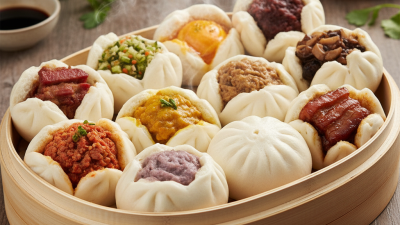
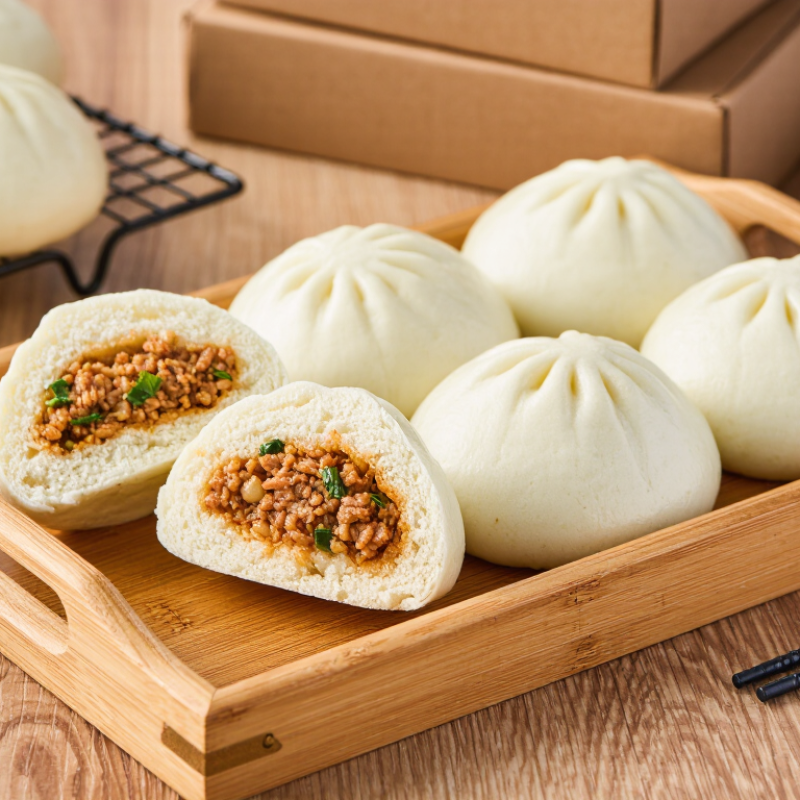
For wholesale buyers, choosing a China-based supplier of Steamed Bao Buns means looking beyond a low quoted price. Product consistency matters. So do filling accuracy, dough texture, packaging strength, and dependable lead times. A sample may look soft and smooth under bright showroom lights. The real test comes after freezing, transport, and reheating. Does the bun still hold its shape? Does the filling stay balanced?

Wei Lin, an illustrative composite specialist in steamed-bun production, offers this practical principle: “A good bao should be judged after reheating, not just when it leaves the steamer.” This is an editorial quotation, not a verified citation. It reflects a useful buying standard: assess the product in the conditions your customers will actually use.

This guide explores how wholesale buyers can compare suppliers, review production capabilities, and ask clearer questions before placing an order. Look for transparent ingredient information, documented quality checks, stable specifications, and samples prepared according to your serving method. Ask about minimum order quantities, carton dimensions, storage requirements, and production schedules. Details matter. A carton that arrives late, or buns that vary in size, can disrupt service even when the recipe tastes right. No supplier should be selected on promises alone. Request evidence, test a representative batch, and record what needs improvement. Some details may still need confirmation. That is worth admitting early. A careful sourcing process helps buyers find a dependable partner for Steamed Bao Buns, while keeping expectations practical and product quality at the center.
China Best Steamed Bao Buns Supplier for Wholesale Buyers

What Defines a Steamed Bao Bun Supplier in China

A dependable steamed bao bun supplier in China is defined by process control, not only by a low quotation. Buyers should ask how the dough is mixed, proofed, filled, and steamed, and whether these steps are recorded for each batch. Changes in flour absorption or proofing time can affect bun size and texture. Ask for samples matching the proposed order’s weight and filling ratio. Compare softness after cooling, wrapper thickness, seam quality, and filling distribution. Small details matter.

Reliable suppliers can explain ingredient specifications, production capacity, packaging methods, storage conditions, and realistic lead times. Request current product documents and agree on how damaged cartons or inconsistent batches will be handled. A trial order can reveal more than a single tasting. Buns may soften differently during transport or reheating. That part is easy to miss.

Tips: Send a written brief with bun size, piece weight, filling ratio, cooking method, and packaging needs. Store a sample under intended conditions, then reheat it as customers would. If key answers remain vague, pause before scaling up. Even a capable supplier may need time to adjust.
How Bao Buns Are Made for Wholesale Distribution

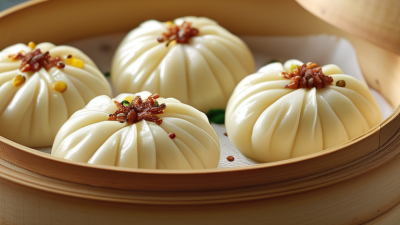
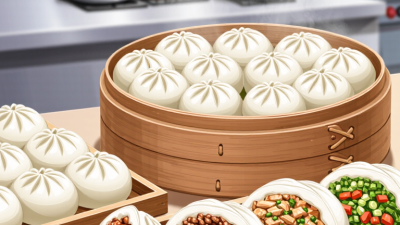
Wholesale bao production begins with a clear product specification: bun size, dough texture, filling amount, and cooking method. Flour is blended with water, yeast, and measured seasonings, then mixed until the dough feels smooth and elastic. It rests in a warm, controlled space so the yeast can develop the dough. Timing matters. Too little proofing can leave buns dense; too much may weaken their shape.

After proofing, the dough is divided into even portions and rolled around prepared fillings. Workers or forming equipment seal each bun, checking pleats and weight as they go. The shaped buns rest again before steaming. Steam temperature and time are monitored to help produce a soft crumb and fully cooked filling. Details matter. A slightly uneven pleat may not affect taste, but repeated shape differences can complicate packing and portion control.

For wholesale distribution, buns are cooled promptly, packed in food-grade materials, and stored under the temperature conditions set for the product. Batch labels and production records help buyers track dates, ingredients, and handling requirements. Quality checks can include bun weight, seal integrity, and sample cooking tests. No process is perfect; a busy line can still produce occasional variations. Reviewing those results helps manufacturers adjust proofing, forming, or steaming before the next batch ships.

How Bao Buns Are Made for Wholesale Distribution

Typical time spent at each stage of a steamed bao production workflow. Durations are illustrative estimates and vary by recipe, batch size, and equipment.

Estimated workflow: mix the dough, allow it to ferment, fill and shape the buns, proof, steam, cool, and pack for distribution.

How to Evaluate Bao Bun Suppliers and Product Quality

Evaluating a bao bun supplier starts with the product, not the catalogue. Request samples from a regular production batch rather than a specially prepared showcase run. Check bun size, dough thickness, filling distribution, and whether the seams stay closed after steaming. Small differences matter. A ten-minute steam test may reveal dry edges, gummy centers, or filling that leaks onto the tray. Record the cooking time, temperature, and thawing method so comparisons stay fair.

Ask for a clear ingredient specification, storage instructions, and batch traceability records. Review the packaging for torn seals, excess frost, or buns sticking together. These details can signal handling problems, though they do not prove the cause on their own. Confirm the supplier’s production capacity, minimum order quantity, lead time, and process for handling damaged or inconsistent shipments. Ask how quality checks are documented, not just whether checks occur.

One sample is not enough. Test multiple batches when possible, and note how the buns perform after delivery and storage. A soft texture on delivery may change after freezing or reheating. It is easy to overvalue a neat appearance; taste, portion consistency, and reliable shipment conditions matter just as much. Keep a simple score sheet, but leave room for judgment, since steaming equipment and handling can affect the result.

Wholesale Ordering, Packaging, and Cold-Chain Logistics

Wholesale bao purchasing works best when specifications are agreed before production. Set bun weight, filling ratio, cooking state, carton count, and delivery temperature in writing. A sample carton can reveal crushed pleats, sticking, or uneven sizes before a full order. Small details matter.

For chilled or frozen shipments, choose food-contact inner bags and rigid outer cartons sized to limit movement. Keep cartons dry, mark batch codes and storage instructions, and avoid overstacking that flattens the buns. The International Institute of Refrigeration’s 2019 report, The Role of Refrigeration in the Global Economy, estimates that roughly 12% of global food production is lost because of inadequate refrigeration. Temperature control is a purchasing issue, not just a transport detail. For frozen bao, specify validated cold-chain conditions, commonly around -18°C or colder, and request temperature records at dispatch and receipt.

The FAO’s 2019 State of Food and Agriculture report estimates that 14% of food is lost between harvest and retail. Bao shipments need practical controls: pre-cool product, load quickly, use refrigerated vehicles, and check a probe reading on arrival. This may sound fussy. A trial shipment can expose weak packaging or handling before larger orders begin. Lead times, customs handling, and local storage can still disrupt plans; a checklist cannot fix a late truck. Adjust carton size and order frequency using actual damage and temperature records.

China Best Steamed Bao Buns Supplier for Wholesale Buyers - Wholesale Ordering, Packaging, and Cold-Chain Logistics

Wholesale Dimension Specification Planning Data Buyer Considerations
Product formats Frozen, ready-to-steam bao buns; filled or unfilled options Common bun weights vary by recipe and market, often approximately 30–100 g per piece Confirm filling, dough formulation, piece weight, cooking instructions, and applicable food-label requirements before ordering.
Wholesale order quantity Minimum order quantity (MOQ) Set by the supplier, production run, packaging format, and shipping method; request a written quotation for the required volume. Ask for MOQ by product type and packaging unit. A mixed assortment may have different minimums from a single-product order.
Order lead time Production and dispatch planning Confirm the schedule with the supplier for each order; production time and transit time are separate. Allow for production, export documentation, customs clearance, and delivery appointments when setting a required arrival date.
Primary packaging Food-grade inner bag or sealed retail pack Pack count and net weight per bag are product- and buyer-specific. Specify pack count, label language, ingredient and allergen declarations, lot code, and date marking before artwork approval.
Outer carton Corrugated shipping case for frozen food Carton dimensions, gross weight, and case count should be confirmed on the final packing list. Request carton measurements and pallet configuration to calculate storage space, freight capacity, and handling needs.
Frozen storage Maintain frozen product at −18°C or colder Use the storage temperature and shelf life stated on the product label and supporting product specification. Storage life depends on the validated product and packaging. Avoid thawing and refreezing unless the product instructions specifically allow it.
Cold-chain transport Frozen transport with temperature control Maintain the required frozen condition through loading, transit, unloading, and receipt. Agree temperature requirements, monitoring records, delivery responsibilities, and procedures for temperature deviations before shipment.
Receiving inspection Check shipment condition and records on arrival Verify carton count, lot codes, packaging condition, and temperature records where available. Document damaged cartons or temperature concerns promptly and follow the supplier's agreed claim and product-disposition process.
Preparation Steam from frozen or prepare as directed on the label Cooking time varies with bun size, filling, equipment, and whether the product is frozen or thawed. Use the validated preparation instructions supplied for the specific product; do not rely on a generic steaming time.
Import documentation Commercial and food-product documents Requirements depend on the destination market and product classification. Confirm required certificates, ingredient and allergen information, country-of-origin details, and customs documents with the importer and relevant authorities.

Planning reference only. Product specifications, order minimums, shelf life, labeling, import rules, and delivery conditions must be confirmed for the specific product, destination, and purchase order.

Food Safety Standards and Export Requirements for Bao Buns

For wholesale bao buns, food safety begins with controlled ingredients and clean production areas. Keep raw fillings separate from cooked buns, and record cooking, cooling, and storage temperatures. A HACCP-based plan helps staff identify hazards and document corrective actions. Small details matter. Check that packaging is intact, food-contact suitable, and clearly marked with batch codes and allergen information. A neat label cannot replace careful handling.

Export requirements vary by destination. Buyers and suppliers should confirm current rules with the importing country’s food authority before shipment. Common documents may include ingredient lists, product specifications, certificates issued by competent authorities, and traceability records. Frozen bao buns need a validated cold chain, with temperature logs from dispatch through delivery. Keep cartons dry and inspect seals when goods arrive. Paperwork is not proof by itself. Testing plans should reflect product risks and destination requirements, rather than relying on one generic certificate. Even a well-prepared file can miss a detail, so review labels, shelf-life claims, and required language before printing.