How to Choose the Right Cake and Flour for Perfect Baking?
When it comes to baking, the choices of cake and flour are crucial. Selecting the right flour ensures a perfect texture. Different types of flour yield different results. All-purpose flour is versatile but may not provide the delicate crumb of cake flour. Cake flour, with its lower protein content, allows for light and airy cakes.
Choosing the right cake type is just as important. Factors like flavor, texture, and occasion matter. A rich chocolate cake can be a showstopper. However, it may overshadow a delicate vanilla flavor. There’s beauty in simplicity, yet complexity can be delightful.
Reflecting on past baking experiences can help avoid mistakes. Sometimes, the cake may turn out too dry or too dense. These moments teach valuable lessons. Each baking session is a chance to improve. Remember, the perfect cake requires practice and patience. Achieving the ideal balance with cake and flour takes time and experimentation. Embrace the journey of baking, learning from each attempt, and enjoy the delicious results.
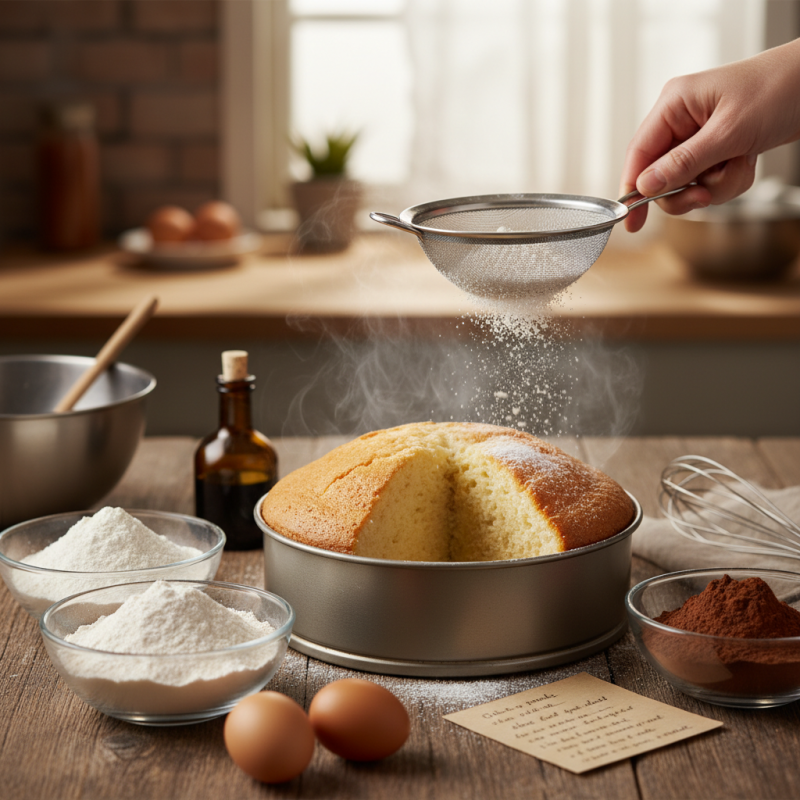
Understanding Different Types of Cakes and Their Requirements
When it comes to baking, understanding cakes is key. Each type of cake has unique characteristics. For instance, sponge cakes are light and airy. They require a gentle folding technique. This minimizes the loss of air. On the other hand, pound cakes are denser. They demand a more robust mixing method. Knowing these differences can impact texture significantly.
Flour selection is crucial too. All-purpose flour works well for most cakes. However, cake flour can make a difference. It has a lower protein content, resulting in a finer crumb. But remember, too much cake flour can lead to a dry cake. Experimenting with ratios can yield surprising results. Sometimes, a mix of flours gives a better balance.
Baking often leads to unexpected challenges. A cake may not rise as planned. Perhaps it's too dry or too dense. Reflecting on techniques can pinpoint problems. Did you overmix? Was the oven temperature accurate? Each attempt is a chance to improve. The journey of baking is filled with delicious learning moments.
Identifying the Right Flour Types for Various Baking Needs
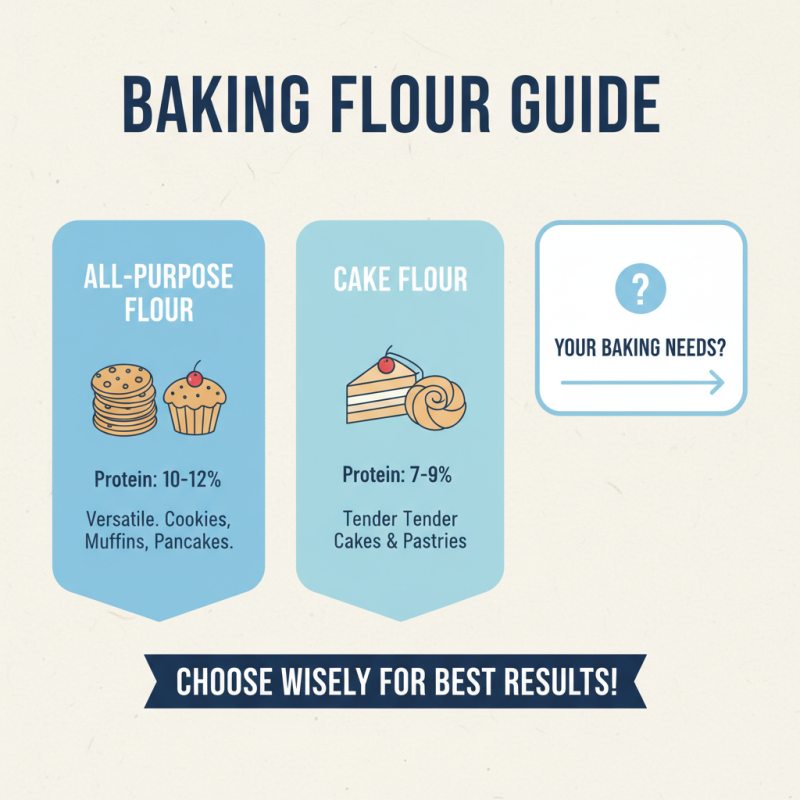
Choosing the right flour is crucial for successful baking. Different flour types offer unique characteristics. For example, all-purpose flour has moderate protein content, around 10-12%. This makes it versatile, ideal for cookies, muffins, and pancakes. Cake flour, with lower protein content (about 7-9%), creates tender cakes and pastries.
When selecting flour, consider your baking needs. Bread flour, high in protein (12-14%), helps develop gluten, leading to chewy bread. Using this flour for pizza or bagels can enhance texture. Conversely, whole wheat flour has a nutty flavor and higher fiber content. It’s great for health-focused recipes but can result in dense baked goods if not combined properly.
Tips: Always measure flour by weight for accuracy. A cup can vary by method, affecting your outcome. Sifting flour before measuring can also improve texture in delicate recipes. Remember, not every flour works for every recipe. Experimenting is key. You might find yourself learning from some less-than-perfect batches along the way.
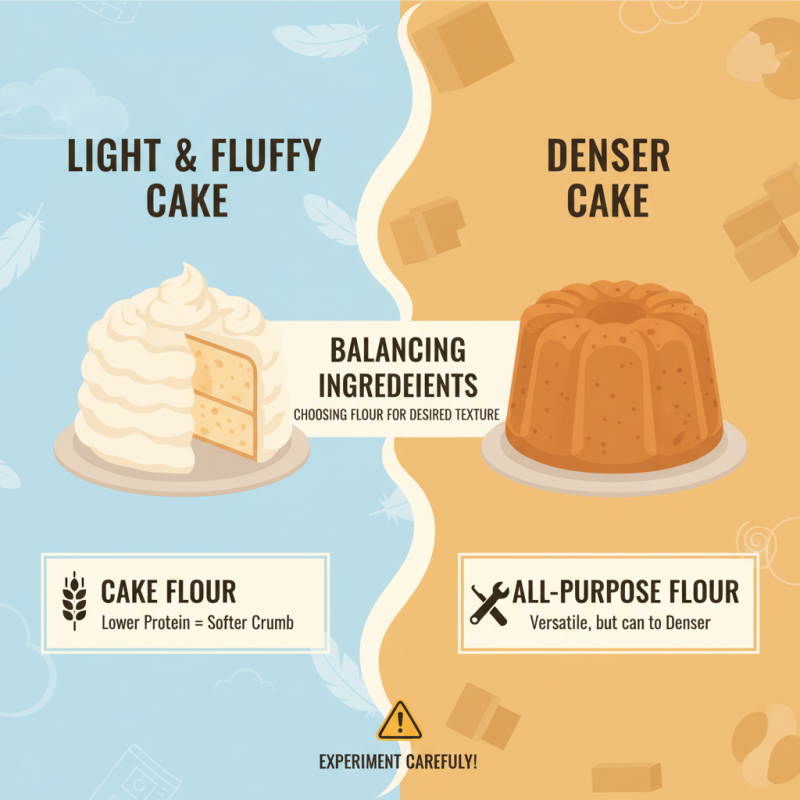
Balancing Ingredients: Choosing Cake and Flour for Desired Texture
When it comes to baking, the choice of flour can significantly impact the texture of your cake. Different types of flour have varied protein contents. For a light, fluffy cake, opt for cake flour. It has a lower protein level, which results in a softer crumb. All-purpose flour, on the other hand, is versatile. It can yield a denser cake if not balanced correctly. Experimenting with different flours can lead to unexpected results, sometimes less than desirable.
Baking is an art that requires attention to detail. The ratio of flour to other ingredients impacts the cake's final texture. Too much flour can make a cake dry and tough. Too little may lead to collapse. It's essential to measure accurately. A kitchen scale can help ensure precision. When you're unsure, a slight adjustment can lead to interesting textures—both good and bad. Don’t be afraid to make a mistake; it’s part of the process. Each failed attempt teaches something valuable.
Sugar also plays a key role in balancing the ingredients. It helps to create moisture and tenderness. Combining sugars, like brown and granulated, adds depth. Next time you bake, take notes. Reflect on what works and what doesn't. Adjusting ingredients might lead to your new favorite cake recipe. Embrace the journey of trial and error in perfect baking.
Testing and Adjusting Recipes for Perfect Cake Outcomes
Testing and adjusting recipes is crucial for perfect baking outcomes. Every ingredient affects the cake differently. Flour type impacts texture, moisture, and rise. For instance, pastry flour contains less protein than all-purpose flour. This often leads to a lighter cake. A study by the American Bakers Association states that flour protein content ranges from 7% to 15%. Understanding this can save time and ingredients.
Bakers should keep a journal. Note differences in texture and flavor from each batch. Changing oven temperatures can also yield varied results. According to a report from the Institute of Food Technologists, baking temperature can alter cake structure. Lower temperatures may result in denser cakes. An adjustment of just five degrees could make a significant difference.
Experimentation may lead to unexpected results. Some cakes may rise unevenly. Others might not set properly. These failures are opportunities for growth. After all, baking is part science, part art. Adjustments can transform a simple recipe into a masterpiece. Every mistake offers valuable lessons. Embrace the journey of trial and error in baking.
How to Choose the Right Cake and Flour for Perfect Baking? - Testing and Adjusting Recipes for Perfect Cake Outcomes
| Flour Type |
Protein Content (%) |
Ideal Cake Type |
Adjustments for Best Results |
| All-Purpose Flour |
10-12 |
General Cakes (e.g., Vanilla, Chocolate) |
Use baking powder for leavening; add cornstarch for lighter texture. |
| Cake Flour |
7-9 |
Layer Cakes, Sponges |
Sift before measuring; consider reducing liquid for moistness. |
| Bread Flour |
12-14 |
Rich, Dense Cakes (e.g., Pound Cake) |
Add more fat and sugar; monitor baking time closely. |
| Self-Raising Flour |
10-12 |
Quick Cakes (e.g., Muffins) |
Omit added leavening agents; adjust liquid ingredients as needed. |
| Whole Wheat Flour |
13-15 |
Healthier Cakes |
Substitute half with all-purpose flour; add liquid to maintain moisture. |
Mastering Baking Techniques for Optimal Cake and Flour Combination
Choosing the right cake and flour can transform your baking. Different flours yield different results. All-purpose flour, for example, is versatile and popular. Yet, it may not always produce the lightest sponge cakes. Cake flour, which has a lower protein content, is ideal for soft and tender cakes. It’s crucial to understand how these two types of flour behave in recipes.
Tips: When baking a cake, consider the flour type carefully. Using cake flour for a pound cake might lead to a denser texture. It’s worth trying out different combinations to discover your favorite.
Also, mastering techniques is vital. Proper creaming of butter and sugar introduces air into the batter. This step can be the difference between a flat cake and a fluffy masterpiece. Studies show that incorporating air properly can increase volume by up to 30%. However, overmixing can lead to a tough cake, so be cautious.
Experimentation in baking can lead to mistakes. The right technique can take time to master. Record your results and adjust based on your findings. The journey to cake perfection is often filled with trial and error. Enjoy the process and learn from each bake.