Leave Your Message

How to Make a Cake Flour Cake in 2026?

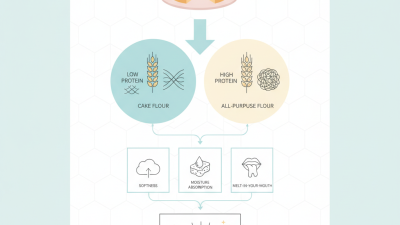
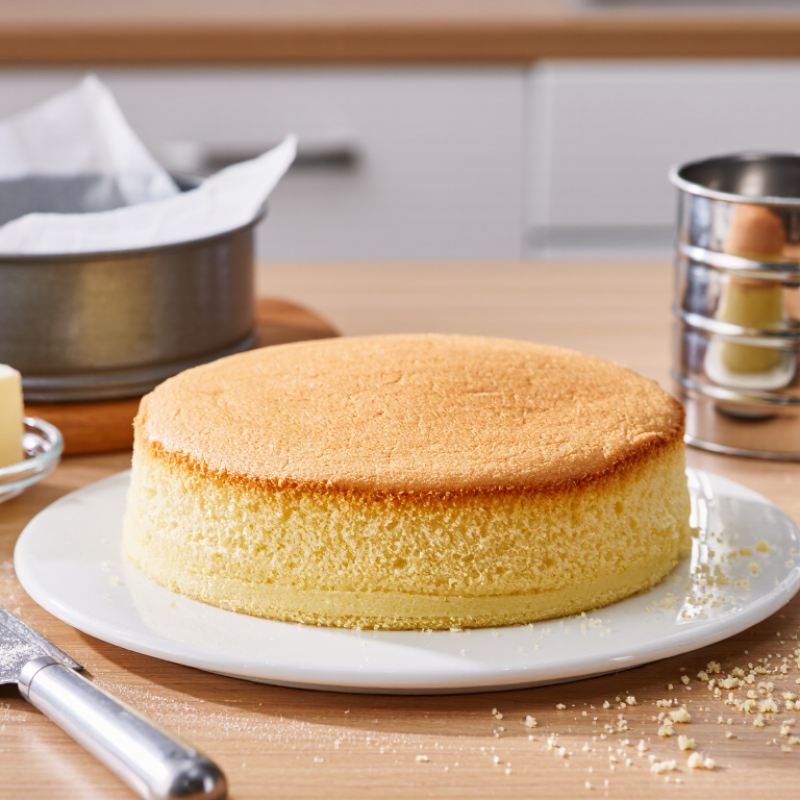
Making a Cake Flour Cake in 2026 is less about buying expensive tools and more about controlling small details. Cake flour contains less protein than all-purpose flour. That difference helps create a tender crumb, lighter bite, and smoother texture. PJ Hamel, a baking educator at King Arthur Baking, explains, “Cake flour produces a finer, softer texture.” Her observation reflects a practical truth experienced bakers see in the mixing bowl.

This guide focuses on reliable home-baking methods. You will learn how to measure cake flour by weight, sift it evenly, and avoid overmixing the batter. A digital scale helps. So does room-temperature butter. The finished batter should look pale, airy, and free from dry streaks. A nine-inch pan, parchment paper, and a properly heated oven can prevent uneven rising. Small choices matter.

Still, perfect results are not guaranteed. Humidity can change flour behavior. Oven temperatures can also be misleading. I have found that a cake may brown early while remaining slightly wet in the center. That mistake is useful. It shows why a skewer test and internal temperature check matter. We will also examine substitutions, frosting choices, and common failures. The goal is not merely a beautiful Cake Flour Cake. It is a repeatable process that helps you understand what happened when the cake turns dense, dry, or unexpectedly fragile.
How to Make a Cake Flour Cake in 2026?

What Is Cake Flour and Why Use It in 2026?

Cake flour is a finely milled flour with less protein than ordinary all-purpose flour. That lower protein level matters in delicate cakes. It forms less gluten when mixed with liquid, creating a softer crumb and a lighter bite. In 2026, home bakers still use it for sponge cakes, chiffon cakes, cupcakes, and tender layer cakes.

I learned this through a slightly uneven vanilla cake. My first batch looked beautiful, but the center sank after cooling. I had overmixed the batter and added warm butter too quickly. Cake flour did not fix those mistakes. It only gave the cake a finer texture when I handled the batter gently. I now sift the flour twice, then fold it slowly with a flexible spatula.

For one cake, measure the flour carefully by weight if possible. Add sugar, baking powder, and a small amount of salt before mixing. Use room-temperature eggs and dairy for a smoother batter. Stop folding when no dry streaks remain. A few small lumps are acceptable. Overmixing is worse.

Cake flour can be made at home by removing two tablespoons of flour from each cup and replacing them with cornstarch. Sift the mixture several times. However, this substitute may not match professionally milled cake flour. Results can vary with measuring methods and local flour strength. I still prefer testing one small cake before serving it at an important event. Temperature changes also matter, so check the center with a thin skewer rather than trusting the timer alone.
How to Choose Ingredients and Prepare the Baking Equipment

How to Make a Cake Flour Cake in 2026?

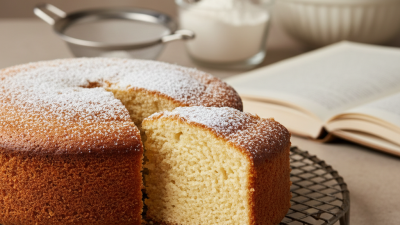
Choose cake flour with a fine texture and moderate protein for a tender crumb.

Check the package date before buying. Fresh flour matters. Weigh every ingredient with a digital scale, since measuring cups can vary considerably. Use room-temperature eggs, softened unsalted butter, and fine sugar. Cold ingredients may leave small butter lumps.

I learned this after one uneven cake.

Prepare the equipment before mixing.

A 20-centimeter round pan usually gives the batter enough room to rise evenly. Line its base with parchment, then lightly grease the sides. Use a clean mixing bowl, a flexible spatula, a fine sieve, and a wire cooling rack. An oven thermometer is useful because the displayed temperature may be inaccurate.

Mine once showed 180°C while the actual heat was lower.

Sift the cake flour with baking powder and salt, preferably twice.

This removes clumps and distributes the leavening more evenly. Set the pan on the middle rack, away from the oven walls. Preheat fully, but avoid opening the door during the early rise. A skewer should emerge with a few moist crumbs, not wet batter. I sometimes overbake by two minutes when distracted, so I now set a separate timer.

Temperature control is not glamorous, but it changes the texture.

How to Mix the Cake Flour Batter Step by Step

How to Make a Cake Flour Cake in 2026?

Cake flour batter rewards gentle handling. Its finer texture and lower protein level can create a softer crumb. USDA FoodData Central lists cake flour at about 8 grams of protein per 100 grams, although products vary. Measure it by weight, not by a crowded cup. My kitchen scale has prevented more failures than extra mixing ever did.

Whisk the cake flour, baking powder, and salt in a dry bowl. In another bowl, beat softened butter and sugar until pale and slightly airy. Add eggs one at a time, scraping the bowl after each addition. Stir in vanilla, if desired. Add the dry mixture in three portions, alternating with milk in two portions. Mix slowly after each addition. Stop when no dry streaks remain. Do not chase perfect smoothness.

A few small lumps are acceptable. Overmixing is the common mistake. It can strengthen gluten and make the cake less tender, even with low-protein flour. Fold with a silicone spatula for the final turns, then spread the batter into a lined pan. The FDA Food Code advises cooking egg-containing foods thoroughly; use a clean thermometer and check that the center reaches at least 160°F when appropriate. Flour is also raw agricultural material, so never taste uncooked batter. I sometimes mix for ten seconds too long. That small error still teaches more than a flawless recipe.

How to Bake, Cool, and Check the Cake for Doneness

How to Make a Cake Flour Cake in 2026?

Cake flour creates a tender crumb, but it also needs gentle handling. I measure it by weight whenever possible. Too much flour can make the cake dry and heavy. I sift the flour with baking powder and salt, then fold it into the batter slowly. Stop when no dry streaks remain. Do not chase perfect smoothness.

I preheat the oven fully before placing the pan inside. A stable temperature helps the cake rise evenly. I use the middle rack and avoid opening the door during the first two-thirds of baking. The surface should look lightly golden, and the center should spring back after a gentle touch. Check carefully. A wooden skewer inserted in the center should come out with a few moist crumbs, not wet batter. A completely clean skewer can mean the cake is already overbaked.

I let the cake rest in its pan for about ten minutes. Then I loosen the edges and transfer it to a wire rack. Cooling the cake in the pan too long may trap steam and soften the sides. Removing it too quickly can cause cracking. I once rushed this step, and the warm center collapsed slightly. That mistake still guides my timing. The cake must cool completely before slicing or frosting. Its crumb continues to set as the remaining heat escapes.

How to Make a Cake Flour Cake in 2026?

How to Bake, Cool, and Check the Cake for Doneness

This chart shows representative times for a standard cake flour cake: about 15 minutes for preparation, 30 minutes of baking at approximately 175°C (350°F), 10 minutes of cooling in the pan, and 30 minutes of cooling on a wire rack. Check doneness when a toothpick inserted in the center comes out clean or with a few moist crumbs, and the center springs back lightly when touched.

How to Store, Serve, and Adapt Your Cake Flour Cake

How to Make a Cake Flour Cake in 2026?

A cake flour cake stays soft when stored correctly. Cool it completely before covering it. Otherwise, trapped steam can make the surface sticky. Keep an unfrosted cake in an airtight container at room temperature for up to two days. Cakes with cream, custard, or fresh fruit need refrigeration. Wrap chilled slices tightly, because cold air quickly dries delicate crumbs. For longer storage, freeze individual slices for up to one month. Thaw them while still wrapped.

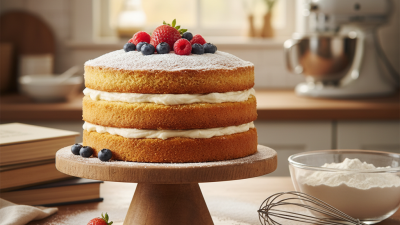
Serve the cake slightly cool or at room temperature. The flavor becomes clearer after twenty minutes outside the refrigerator. Use a thin, sharp knife for cleaner slices. A few crumbs are normal. Cake flour creates a tender texture, but it can also make the cake fragile. Handle each layer gently when stacking. You can adapt the recipe with citrus zest, toasted nuts, or mashed banana. Reduce other liquids slightly when adding wet ingredients. My own test cake became too soft after adding extra banana. That mistake taught me to change one ingredient at a time.

Tips: Measure cake flour by weight when possible. Spoon it into a cup if you lack a scale. Do not pack it down. Check the center with a skewer, but avoid overbaking. Let the cake rest before slicing. Small adjustments matter.