Leave Your Message

How to Source Hand Pulled Noodles in 2026?

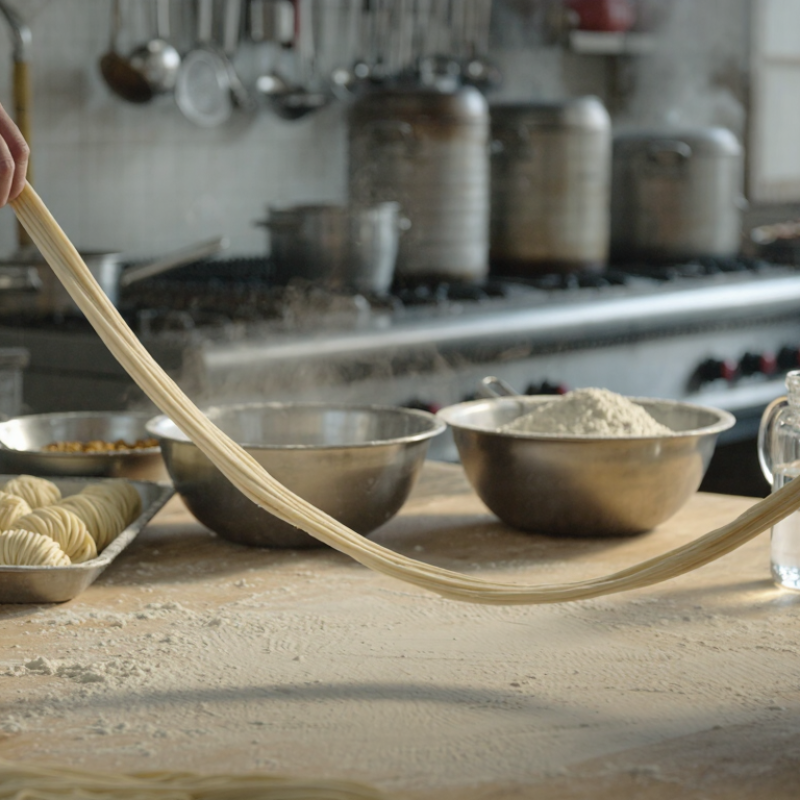
Sourcing Hand Pulled Noodles in 2026 takes more than comparing price lists. Buyers need to assess dough consistency, pulling skill, production capacity, and delivery conditions. A noodle that looks supple in a sample may turn sticky after cooking. Test it in your own broth, with your own service timing.

The National Restaurant Association’s 2025 State of the Restaurant Industry report projected U.S. restaurant sales of $1.5 trillion. That figure covers the wider restaurant sector, not hand-pulled noodles specifically. Still, it signals the scale of a market where dependable supply and menu differentiation matter. For buyers, the practical question is whether a supplier can repeat the same texture across busy shifts, not just produce one impressive batch.

Chinese food writer Fuchsia Dunlop’s work offers valuable context on regional food traditions and culinary technique. However, I could not verify a direct, attributable quotation from her about sourcing Hand Pulled Noodles, so I will not invent one. That distinction matters. A sourcing guide should separate documented evidence from sales language.

Look for clear ingredient specifications, batch records, realistic lead times, and samples prepared under normal kitchen conditions. Ask how the supplier manages variation in dough, portion weight, and storage. Then check whether staff can reproduce the cooking result during a rush. Small inconsistencies show up fast. Price matters, but reliability, transparent communication, and a noodle that performs in your kitchen matter more.
How to Source Hand Pulled Noodles in 2026?

Define Your Hand-Pulled Noodle Specifications and Sourcing Needs

How to Source Hand Pulled Noodles in 2026?
Define Your Hand-Pulled Noodle Specifications and Sourcing Needs

Start with the eating experience, then write measurable specifications. State whether you need chilled, frozen, or fresh noodles, plus portion weight, strand length, thickness, and cooking time. For flour, request protein, ash, and moisture ranges; these affect elasticity, color, and water absorption. Specify allowable ingredients, packaging format, storage temperature, shelf life, and allergen controls. Ask suppliers for lot-level traceability and food-safety documentation. FAO’s 2024 Cereal Supply and Demand Brief estimated global cereal production at about 2.85 billion tonnes, but broad supply figures cannot predict a particular flour’s dough behavior.

Test actual batches. Record dough hydration, resting time, pulling performance, breakage, and cooked texture under your kitchen conditions. Compare samples from more than one production lot, and agree on acceptable variation before placing a volume order. Small details matter. I would leave room for a trial adjustment; flour can behave differently from the spreadsheet.

Tips: Send suppliers a one-page specification and a short cooking test protocol. Ask them to disclose ingredient substitutions in advance. Keep a retained sample from each approved lot for comparison. Don’t assume “hand-pulled style” means consistent performance.
Identify Manufacturers and Wholesale Suppliers

How to Source Hand Pulled Noodles in 2026?
Identify Manufacturers and Wholesale Suppliers

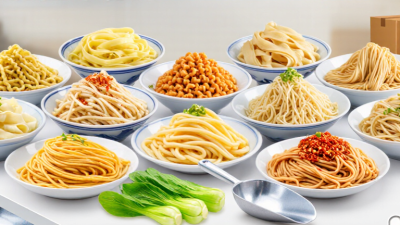
Start by deciding whether you need fresh, chilled, or frozen noodles, then approach manufacturers with a clear specification. Ask about flour protein and moisture, dough resting time, noodle width, batch size, and shelf life. USDA’s May 2025 World Agricultural Supply and Demand Estimates projected 2025/26 global wheat production at about 808.5 million metric tons. That signals a broad grain supply, not guaranteed access to the flour grade your recipe needs. Request the supplier’s flour specification and recent batch records. A beautiful sample can still hide a weak second batch.

Compare noodle manufacturers with wholesale suppliers. Manufacturers may offer more control over dough and pulling methods, while wholesalers can consolidate orders and simplify delivery. Check minimum order quantities, lead times, cold-chain handling, traceability, and documented food-safety procedures. Request samples from multiple production dates, then cook them using your own kitchen equipment. Look for strands that stretch without tearing and keep their bite after cooking. Paperwork matters, but it cannot replace a real production trial.

Tips: Test the dough. Record cooking time, strand breakage, and texture after delivery. Ask for written allergen and storage information, plus a plan for delayed shipments. Keep records. If the supplier’s answers stay vague, pause before placing a large order.

How to Source Hand Pulled Noodles in 2026? — Identify Manufacturers and Wholesale Suppliers

Use flour protein content as an initial supplier-screening specification. These are typical ranges, not universal standards; ask manufacturers for product specifications and a certificate of analysis, then validate the dough in a production trial.

Assess Product Quality, Ingredients, and Food Safety

When sourcing hand-pulled noodles, request samples from the same production format you plan to buy. Fresh, frozen, and dried noodles behave differently in storage and cooking. Check strand thickness, surface feel, and breakage after transport. Then cook a small batch using your intended method. Good noodles should stay springy without turning gummy. A tasting alone can mislead.

Ask for a full ingredient list and clear allergen information. Wheat is a key ingredient in many varieties, while salt and permitted texture-enhancing ingredients may also appear. Confirm whether the recipe uses additional alkaline agents, and check that labels match the product specification. Small changes can affect flavor, color, and chew. I would not assume “traditional” means consistent; it does not.

Food safety deserves the same scrutiny as texture. Request lot-level traceability, shelf-life details, storage instructions, and documented temperature controls for chilled or frozen shipments. Review the supplier’s sanitation procedures and relevant food-safety certifications, where available. Inspect packaging for intact seals, readable dates, and signs of thawing or moisture damage. Keep a retained sample from each approved lot when practical. It is a little extra work, but useful if quality shifts later. No checklist replaces a careful review of actual deliveries.

Compare Pricing, Minimum Orders, and Delivery Options

How to Source Hand Pulled Noodles in 2026?
Compare Pricing, Minimum Orders, and Delivery Options

A low unit price can hide costs. Ask suppliers to separate noodle price, packing, setup fees, and freight. Compare quotes using the same noodle weight, flour type, and pack size. A 500-gram bag and a one-kilogram bag are not directly comparable. Request a sample before discussing a large order. Check strand thickness, cooking time, and texture after cooling. Test first. Small trials catch problems early.

Minimum orders vary by production method and packaging. Fresh noodles may need tighter delivery schedules, while frozen or dried stock can allow more flexibility. Confirm the smallest trial order, then ask how pricing changes at higher volumes. Do not assume a larger order is cheaper after storage and spoilage are considered. Not always. Get the lead time and delivery window in writing, including cold-chain handling where needed. Clarify who pays for failed or delayed shipments.

Tips: Compare landed cost per serving, not just cost per carton. Ask for a dated quote, shelf-life details, and delivery temperature records. Keep a little room for error; forecasts are rarely perfect.

Verify Samples and Finalize Supplier Agreements

Before committing to a large order, request samples made with the same ingredients and process planned for production. Cook them using your kitchen’s actual equipment, not just the supplier’s suggested method. Record cooking time, noodle thickness, breakage, and texture after several minutes in broth. Taste matters. Check whether strands stay springy or turn soft during service. Repeat the test on another day; one good sample cannot represent every batch. Keep photos and notes, including small inconsistencies that seem easy to overlook.

Put measurable details in the supplier agreement: ingredient specifications, noodle dimensions, packaging, order quantities, lead times, and acceptable variation between batches. State how both sides will handle damaged goods, delayed shipments, or products that fail agreed checks. Confirm prices, payment timing, and how specification changes must be approved in writing. Ask for production samples before the first full shipment, then compare delivered noodles against your records. No document removes all risk. I would leave room for a trial order, even when the sample is excellent; promising texture can still change when production scales up.

How to Source Hand Pulled Noodles in 2026? - Verify Samples and Finalize Supplier Agreements

Sourcing Stage Data Dimension Sample Verification Acceptance Record Supplier Agreement Detail
Product definition Noodle format and intended use Confirm whether the product is fresh, chilled, frozen, or dried; check strand shape, portion format, and preparation method against the intended menu or retail use. Record the approved product description, pack format, and preparation instructions. Attach the approved specification and identify any permitted product variations.
Recipe and allergens Ingredients and allergen information Compare the sample, ingredient list, and production information. Verify declared allergens against the actual recipe and applicable destination-market rules. Keep the ingredient declaration, allergen statement, and version date on file. Require advance written approval for recipe, ingredient-source, or allergen-statement changes.
Sample testing Cooking performance Cook samples using the supplier’s stated method and a consistent water volume, cooking time, and draining procedure. Assess texture, strand integrity, and taste. Record the cooking method and observed results for each sample lot; agree acceptable results before approval. Reference the agreed preparation method and sample-approval criteria in the product specification.
Sample testing Dimensions and portion consistency Measure strand or portion dimensions using a defined method and check multiple units from the sample pack. Record the measured results and the buyer-approved tolerance; do not treat an unagreed sample measurement as a universal standard. Specify target dimensions, portion weight, measurement method, and allowable tolerances.
Quality review Appearance and defects Inspect samples for visible contamination, damaged packaging, unusual discoloration, and clumping that affects normal preparation. Document findings with the sample lot identification and photographs where useful. Define defect categories, inspection method, and the process for reporting and resolving nonconforming goods.
Food safety review Manufacturing and food-safety documentation Review relevant facility, process, traceability, and food-safety records. Determine any testing or certification requirements based on product type and destination market. Log documents reviewed, their issue dates, and any outstanding verification items. Set documentation obligations, audit or verification rights, incident notification, and corrective-action expectations.
Shelf-life review Date marking and storage conditions Check the declared shelf life, storage instructions, packaging, and date coding. Confirm that handling and transport conditions match the product’s stated storage requirements. Record the supplier-declared shelf life and the supporting information provided; verify suitability for the planned distribution route. Specify storage and transport conditions, date-code format, minimum remaining shelf life at delivery, and responsibility for temperature control where applicable.
Supplier capability Capacity, minimum order, and lead time Ask the supplier to state current production capacity, minimum order quantity, normal lead time, and peak-season constraints; verify these against a trial order where practical. Record supplier-confirmed figures, the date confirmed, and any assumptions such as forecast volume or shipping method. Document order quantities, forecast and confirmation procedures, lead-time commitments, and how delays will be communicated.
Commercial terms Pricing and shipment terms Compare written quotations on the same product specification, quantity basis, packaging, currency, delivery location, and shipment terms. Keep the dated quotation and a clear breakdown of included and excluded charges. State price, currency, payment terms, delivery terms, packaging charges, and the process for approving price changes.
Final approval Approved sample and change control Retain a labeled reference sample or documented sample record and compare the first production order with the approved specification. Record approval date, sample identifier, specification version, and authorized approver. Make the approved specification part of the agreement and require written approval before material changes to product or process.
Order closeout Nonconformance and remedies Agree how shortages, damaged packs, specification deviations, and late deliveries will be reported and evidenced. Use a written claim record with order reference, lot or date code, quantity affected, and supporting evidence. Define notification windows, investigation steps, replacement or credit options, and responsibility for related costs.