Leave Your Message

7 Tips for Sourcing Frozen Steamed Buns in Bulk

Buying Frozen Steamed Buns in bulk is not just a price decision. A low unit cost means little if buns arrive cracked, freezer-burned, or inconsistent in size. Buyers need to check production capacity, ingredient specifications, packaging, storage requirements, and delivery plans before placing a large order. Details matter.

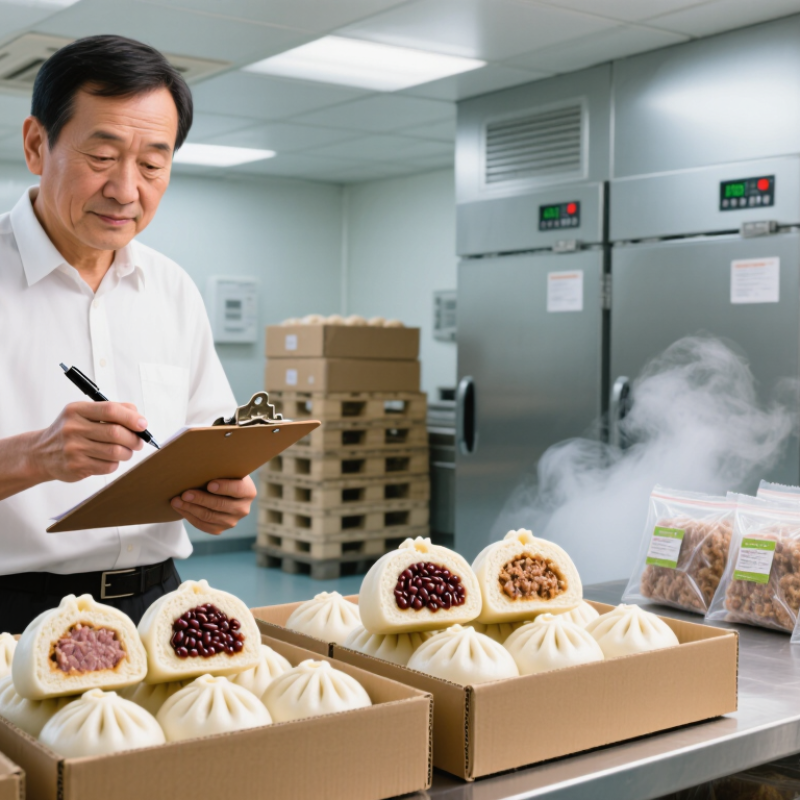
This guide follows an illustrative industry expert, fictional frozen-food sourcing adviser Daniel Wu, who puts the principle simply: “A dependable bun starts with a dependable process—from the mixing room to the receiving freezer.” That is a guiding line for this article, not a verified quotation from a real professional. It points to a practical truth: a sample tells only part of the story. Ask how suppliers control batch consistency, how long products remain frozen during transit, and what records accompany each shipment.

The seven tips ahead cover supplier checks, product selection, sampling, minimum order quantities, pricing, packaging, and cold-chain coordination. Look closely at the carton label and the bun itself. Is the filling evenly distributed? Does the dough stay tender after steaming? Can your freezer hold the shipment without blocking airflow? A few test cases can reveal issues before they become costly. Still, no checklist guarantees a perfect order; demand shifts, delivery delays happen, and even careful estimates can miss. A thoughtful review gives buyers better questions—and a more reliable basis for choosing a supplier.
7 Tips for Sourcing Frozen Steamed Buns in Bulk

Define Product Specifications and Bulk Order Requirements

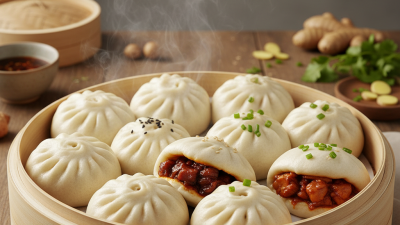
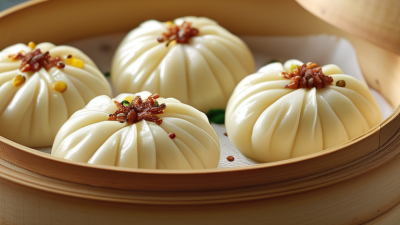
Before requesting quotes, define what “the same bun” means for your operation. Record the target weight, diameter, filling, dough texture, and cooking method. For example, a 50-gram bun may fit a smaller steamer basket than a 70-gram bun. Note acceptable size variation, too. A specification that is overly strict can limit suppliers without improving the meal.

Tip: Ask for a sample, then cook it using your actual equipment. Check the bun’s appearance, texture, filling distribution, and cooking time. Write down results; memory gets unreliable after several tastings. If the sample is close but not perfect, decide which differences matter before approving a large order.

Set bulk requirements in measurable terms. State units per case, cases per shipment, packaging format, and preferred delivery schedule. Confirm how products should remain frozen during transit, and request clear storage and handling instructions. Include required delivery dates, expected lead times, and a process for reporting damaged or short shipments. These details help suppliers quote accurately and help your receiving team check each delivery. One thing worth revisiting: early estimates for monthly volume are often wrong. Use a cautious forecast, and leave room to adjust after tracking actual sales.
Assess Supplier Experience and Production Capacity

A supplier’s years in business matter, but only when they include relevant frozen-food production. Ask how long they have made steamed buns, what varieties they produce, and how they manage recipe changes. A supplier experienced with similar doughs and fillings is more likely to understand proofing times, filling consistency, and freezing requirements. Request recent production records or customer references, with sensitive details removed if needed. Look for specifics, not just confident promises.

Then check whether the factory can meet your order during its busiest weeks. Ask about daily output, active production lines, freezer space, staffing, and current commitments. A large stated capacity can be misleading if other buyers already reserve most of it. Request a trial run or sample shipment, and compare the buns’ size, texture, packaging, and condition after thawing. Small details count. Confirm how the supplier handles delays, equipment maintenance, and unexpected demand, and get realistic lead times in writing. It is easy to focus on the biggest monthly figure; I would still ask how much capacity is actually available for your dates. That answer may be less polished, but it is often more useful.

Verify Food Safety Standards and Product Traceability

Frozen steamed buns can look identical in a sample carton, yet safety depends on what happened before delivery. The World Health Organization’s 2015 foodborne disease estimates found that nearly 1 in 10 people worldwide became ill from contaminated food each year, with 420,000 deaths. These figures cover food generally, not steamed buns specifically, but they show why supplier checks matter. Ask for current food-safety audit records and confirm which facility produced the buns. A certificate alone is not enough.

Request a lot code linked to production date, ingredient records, and shipment details. Check that the code on each carton matches the paperwork, and retain a sample label with the purchase record. At receiving, inspect seals, carton condition, and temperature readings; document any unexplained thawing or damaged packaging. The U.S. FDA’s Food Traceability Rule describes key data elements and traceability lot codes for covered foods, a useful model for organized records. Requirements vary by product and location, so verify which rules apply to your operation. Paperwork can be untidy in real life; that is exactly when a clear lot trail helps. If a supplier cannot explain how one carton connects to its production batch, pause the order and ask for a specific answer.

7 Tips for Sourcing Frozen Steamed Buns in Bulk — Verify Food Safety Standards and Product Traceability

No. Sourcing Tip What to Verify Useful Evidence or Check
1 Check food safety systems Confirm that the production site operates a documented food safety management system, with hazard analysis, monitoring, corrective actions, and periodic review. Check that any certification is current and covers the relevant site and product category. Request the certificate and its scope, or review audit documentation. HACCP principles and standards such as ISO 22000 may be relevant; confirm local regulatory requirements for the destination market.
2 Confirm lot-level traceability Check that each shipment can be linked to a production lot, production date, ingredients, packaging records, and dispatch details. Ask how the supplier identifies affected lots during a withdrawal or recall. Review a sample lot code and traceability record. Test whether the supplier can trace a selected lot backward to ingredient sources and forward to shipment records, subject to applicable laws.
3 Review product specifications and allergens Confirm ingredients, bun size and weight, filling, cooking status, storage conditions, shelf life, and preparation instructions. Identify declared allergens and assess cross-contact controls for shared equipment or facilities. Obtain the current product specification, ingredient statement, allergen declaration, and label artwork for the intended market. Check that documents match the actual product and purchase agreement.
4 Verify testing and release controls Ask what microbiological and other quality checks are performed, how often they are conducted, and what criteria are used. Testing plans should reflect the product, process risks, and destination-market requirements. Request recent, lot-linked certificates of analysis where applicable, together with the test methods and acceptance criteria. A test report is supporting evidence, not a substitute for effective process controls.
5 Assess freezing and cold-chain control Confirm the specified storage and transport temperatures, how temperatures are monitored, and how deviations are handled. Frozen-food supply chains commonly use −18°C or colder as a reference, but follow applicable regulations and the product specification. Review warehouse and transport temperature logs, calibration records, loading procedures, and excursion procedures. Check that packaging protects the buns from moisture loss, damage, and contamination.
6 Check packaging, dates, and labels Inspect whether packaging is intact and food-contact compliant for the destination market. Verify lot identification, storage instructions, date marking, net quantity, and required language and allergen information. Review a production sample and the proposed shipping case label. Confirm that date formats and label claims meet local rules and are consistent with the product specification.
7 Qualify the supplier before scaling up Evaluate production capacity, change-control procedures, complaint handling, recall readiness, and the supplier’s ability to maintain consistent product quality across bulk orders. Start with a documented sample evaluation or trial order. Record acceptance criteria, retain shipment and lot records, and agree on procedures for nonconforming goods, corrective actions, and product withdrawals.

Compare Pricing, Packaging, and Cold-Chain Options

When comparing bulk quotes, look beyond the price per bun. Ask whether freight, insulated cartons, pallet handling, and minimum-order fees are included. A low unit price can shrink quickly after delivery costs appear. The FAO’s 2019 State of Food and Agriculture report estimated that 13.8% of food was lost between harvest and retail worldwide. That figure is not specific to steamed buns, but it shows why handling and distribution deserve attention. Request a sample shipment and inspect the buns after thawing. Small samples help. I would also compare pack sizes: individual wrapping may reduce sticking and portion waste, while larger food-service bags can use less packaging. The best option depends on how quickly your kitchen can use an opened pack.

Check the cold-chain plan in writing. Ask for the required storage temperature, temperature-monitoring records, and the procedure for delayed deliveries. USDA guidance recommends keeping freezers at 0°F (-18°C) or below; use that as a practical storage benchmark, then confirm the supplier’s product specifications. Look for sealed, moisture-resistant packaging and clear lot and date labels. Crushed corners or frost inside a carton deserve questions. Compare delivery frequency, not just price: smaller, more regular drops may protect texture, though they can cost more. I would not assume every temperature excursion ruins a shipment, but undocumented handling is hard to assess. Request a written explanation.

Scores are illustrative planning priorities, not supplier ratings or market averages. Compare written unit and case pricing, confirm pack sizes and labeling, and verify frozen-shipping temperatures and handling procedures with each supplier.

Test Samples and Confirm Delivery Terms

Request samples from the same production line and packaging format planned for your order. Steam them using your kitchen’s equipment, then check dough texture, filling consistency, weight, and recovery after freezing. Taste them immediately and after a short holding period. A perfect sample can still hide uneven production. Ask the supplier to identify the sample lot and confirm whether the bulk recipe, size, and pack count will match.

Delivery details deserve equal scrutiny. The Global Cold Chain Alliance’s 2020 Global Cold Storage Capacity Report estimated worldwide refrigerated storage capacity at 719 million cubic meters. Capacity alone cannot protect a shipment, so agree on a frozen-temperature requirement, monitoring method, delivery window, and who handles delays. USDA guidance recommends keeping frozen food at 0°F (-18°C) or below. Request temperature records at dispatch and arrival, plus clear procedures for damaged cartons or temperature excursions.

Confirm minimum order quantities, pallet configuration, lead time, and responsibility for unloading before paying a deposit. Put the delivery address, appointment requirements, and claims deadline in writing. Ask how many days’ notice is needed for schedule changes. Small details matter. I would also test one case through your actual receiving process; it is easy to overlook storage space until a full pallet arrives.