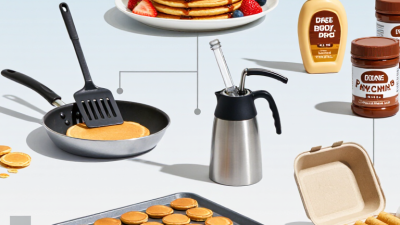
Pancake Day is no longer limited to a single kitchen tradition. It has become a practical seasonal opportunity for global buyers, retailers, caterers, and foodservice distributors. Demand now reaches beyond flour and syrup. Buyers are comparing ready-mix powders, compact griddles, reusable cooking tools, decorative toppings, portion-controlled kits, and shelf-stable packaging.
Food historian Ken Albala observes, “The pancake is one of the oldest forms of cereal food.” His view reminds buyers that simple products can carry strong cultural meaning. A pancake mix may sit beside maple syrup in Canada, lemon sugar in Britain, or fruit sauces in Southeast Asia. Small details matter. A resealable pouch, clear allergen information, and moisture-resistant packaging can influence repeat orders.
This guide examines ten Pancake Day products with international purchasing needs in mind. It considers usability, product durability, flavor flexibility, packaging, shipping practicality, and customer appeal. Some products look exciting but perform poorly in humid warehouses. Others seem ordinary yet sell steadily because they are easy to store and explain. That difference deserves attention.
Not every trend deserves a bulk order.
Buyer preferences also vary sharply by market. Vegan mixes may attract urban consumers, while family kits may perform better through supermarkets and schools. Pricing remains important, but reliability matters more during seasonal demand peaks. A delayed shipment can leave empty shelves and disappointed customers. This overview is useful, but it is not perfect. Local testing, supplier verification, and honest product sampling should guide the final decision.
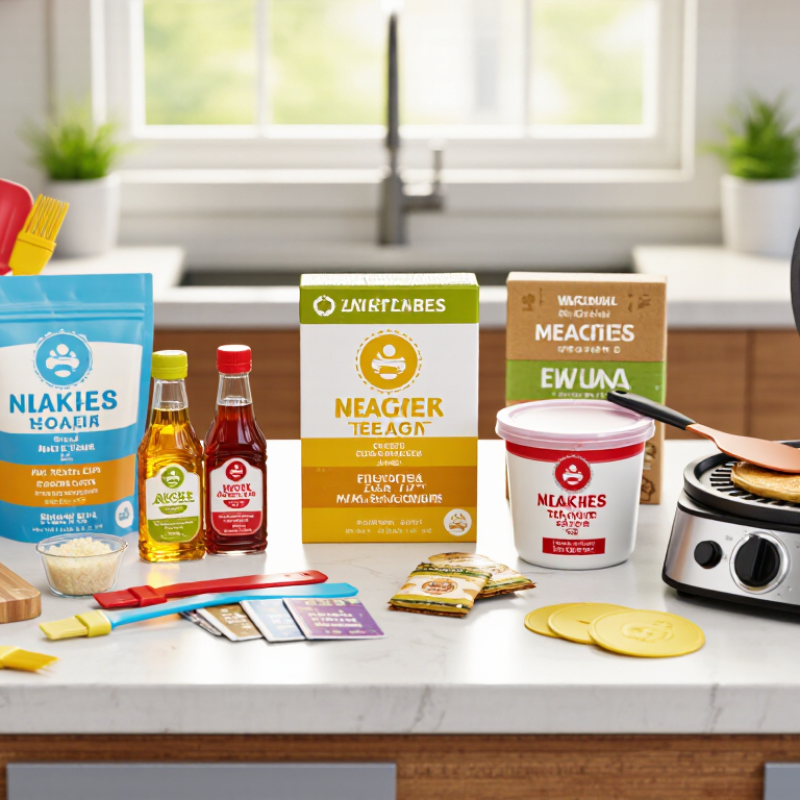
USDA’s 2024/25 wheat forecast sets a useful global demand baseline at 796.9 million tonnes. This volume supports planning for pancake flour, whole-wheat mixes, oat blends, buckwheat flour, baking powder, sugar, salt, edible oils, syrups, fruit fillings, and shelf-stable toppings. However, wheat supply does not guarantee stable prices. The USDA’s World Agricultural Supply and Demand Estimates highlights production, trade, and stock changes each month. Buyers should treat the forecast as a moving reference, not a promise.
FAO’s Food Outlook also identifies weather, freight costs, and energy prices as important food-market risks. A practical sourcing review should compare protein content, flour moisture, package size, allergen controls, and delivery terms. For pancake products, a consistent flour specification often matters more than a low opening price. Small differences can affect batter thickness and cooking time. My own purchasing experience suggests that buyers sometimes overestimate seasonal demand. Pancake Day sales may rise sharply, yet regional traditions remain uneven.
Tips: Request recent laboratory results, not only a product sheet. Test flour in a small kitchen batch before scaling orders. Keep two approved supply routes where possible. Check crop updates monthly, because one weather report can change freight and replacement costs quickly. The forecast is strong, but the market remains imperfect.
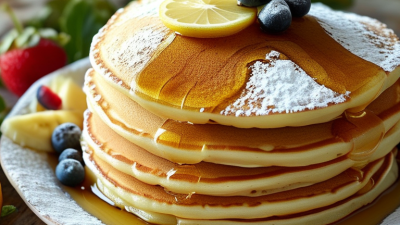
Global buyers are seeking pancake products that fit different eating habits and sales channels. Classic dry pancake mix remains a dependable choice for supermarkets and hospitality distributors. Ready-to-pour batter saves preparation time in cafés and hotel kitchens. Frozen pancakes offer quick serving with consistent portion control. Mini pancakes suit children’s menus, sharing trays, and online snack orders. Savory buckwheat pancakes attract buyers seeking regional flavor and more versatile meal applications.
Ingredient preferences are becoming more specific. Wholegrain pancake mix appeals to shoppers looking for added fiber and a fuller texture. Gluten-free oat pancakes serve customers avoiding wheat, but careful cross-contact controls remain essential. Vegan pancakes use plant-based milk and egg alternatives. Protein-enriched pancakes target fitness-focused consumers. Reduced-sugar recipes support buyers developing family-friendly breakfast ranges. Taste still matters most. A dry, overly dense pancake will not earn repeat orders.
Pancake topping kits can increase basket value through measured syrup, fruit pieces, or powdered sugar. Seasonal gift packs create strong visual appeal during Pancake Day promotions. In practical buyer reviews, clear allergen labeling and compact packaging often influence orders as much as flavor. Shelf life must match the destination market and transport conditions. Not every premium recipe wins. Some buyers prefer a simple mix with reliable results. Product testing should include cooking time, browning, texture, and performance after storage. Small packaging changes can make a noticeable difference.
For global buyers, pancake products should be ranked by more than taste and packaging. MOQ is the first commercial filter. A 500-carton minimum may suit a regional distributor, but it can burden smaller importers with slow-moving stock. Request pallet dimensions, production lead time, and mixed-SKU options. Practical experience matters here. The cheapest unit price is not always the lowest landed cost.
Shelf life directly affects risk. Dry pancake mixes often offer 12–18 months when sealed and stored below 25°C. Frozen products need uninterrupted cold-chain control, while syrups may face crystallisation after opening. The FAO Food Price Index averaged 122.0 points in 2023, down 13.7% from 2022. Ingredient costs can still change sharply by market. Buyers should calculate margin after freight, duty, storage, breakage, and promotional discounts. A 40% gross margin can disappear quickly.
HS code accuracy supports reliable duty estimates. Dry cereal-based preparations commonly fall under HS 1901.90, while some baked or prepared items may enter HS 1905.90. Sauce classifications can differ by formulation. Verify the code with customs brokers and official tariff databases. UN Comtrade trade data can reveal import values and shipment trends, but product descriptions are not always clean. That is a weakness worth admitting. Rank each product using MOQ, remaining shelf life on arrival, achievable margin, and verified HS code data. Use a simple spreadsheet, then test one small shipment before scaling.
Pancake Day products may include dry mixes, ready-to-cook pancakes, syrups, fruit fillings, chocolate toppings, and decorative powders. Each product needs a clear compliance review before international purchasing. Codex standards provide useful guidance on food hygiene, additives, contaminants, and labeling. However, Codex is not a substitute for national law. Import requirements still depend on the destination market.
Tips: Request the full ingredient formula, allergen statement, nutrition panel, batch code, shelf-life data, and certificate of analysis. Check whether production uses shared equipment. A clean-looking label is not enough.
In the United States, FDA rules require accurate identification of major food allergens, including milk, eggs, wheat, soy, peanuts, tree nuts, fish, crustaceans, and sesame. In the European Union, buyers must assess all 14 regulated allergens, such as mustard, celery, lupin, sulphites, and molluscs. Allergen names should remain easy to find on packaging. Traceability records should connect raw materials to finished batches. This matters during a recall or customs inspection. Some suppliers provide incomplete documents. That weakness deserves attention, even when the product tastes excellent. Buyers should also verify claims such as “gluten-free,” because testing, facility controls, and local thresholds may differ.
For global buyers, a Pancake Day scorecard should compare ten products: pancake mix, wheat flour, maple-style syrup, honey, fruit preserves, cocoa powder, powdered sugar, plant-based milk, edible oil, and toppings. Pricing needs more than a supplier quote. The FAO Food Price Index averaged 124.0 points in 2023, down 13.7% from 2022, while World Bank data showed lower average wheat prices. However, regional milling, sugar, and energy costs still change landed prices sharply.
Packaging is practical risk control. A 500-gram mix pouch should resist moisture, show a clear allergen statement, and survive carton compression. The packaging score should include material weight, recyclability, seal strength, and pallet efficiency. Not every lighter package performs better. Some split during humid ocean journeys. That mistake is expensive.
UN Comtrade data, accessed through ITC Trade Map, recorded active 2023 international flows for flour preparations, sweeteners, cocoa products, and edible oils. Buyers should compare HS-code volumes, not promotional claims. Logistics also needs evidence: UNCTAD’s Review of Maritime Transport 2023 reported modest maritime trade growth of about 2.4%. A useful scorecard can assign 30% to price, 25% to packaging, 25% to delivery reliability, and 20% to trade performance. The weighting is imperfect. Seasonal demand can distort one year’s data. Pilot orders, carton inspections, and temperature checks remain necessary.
Indicative global sourcing comparison for Pancake Day retail and foodservice programs
| Rank | Product Category | Typical HS-6 Trade Reference | 2023 Trade-Data Signal | Indicative Export Price | Recommended Retail Packaging | Typical Shelf Life | Logistics Profile | MOQ Guidance | Buyer Score |
|---|---|---|---|---|---|---|---|---|---|
| 1 | Standard Pancake Mix | HS 1901.20 Flour, groats and meal preparations |
High-volume, globally traded dry preparation category; suitable for ambient distribution. | US$0.85–1.65/kg FOB Bulk or private-label production |
400–500 g stand-up pouch or carton with inner liner; multilingual preparation panel. | 12–24 months | Ambient sea freight; low damage risk; moisture protection is essential. | 500–2,000 retail units per SKU | 9.2/10 |
| 2 | Wholegrain Pancake Mix | HS 1901.20 | Established dry-mix trade line with demand supported by wholegrain and high-fibre claims. | US$1.00–1.90/kg FOB | 350–450 g recyclable pouch or paperboard carton; high-fibre declaration where permitted. | 10–18 months | Ambient shipping; oxygen and humidity control recommended for higher bran content. | 1,000–3,000 retail units per SKU | 8.8/10 |
| 3 | Gluten-Free Pancake Mix | HS 1901.20 | Specialty dry-mix segment; allergen segregation and certification can affect lead time and cost. | US$1.60–3.20/kg FOB | 300–400 g barrier pouch or carton; clear allergen statement and batch traceability. | 9–18 months | Ambient freight; keep dry; additional documentation may be required for gluten-free claims. | 1,000–2,500 retail units per SKU | 8.6/10 |
| 4 | Protein Pancake Mix | HS 1901.20 | Growing functional-food application within the broader flour-preparation trade category. | US$2.40–5.50/kg FOB | 300–500 g resealable pouch or tub; nutritional panel and protein declaration required. | 9–15 months | Ambient freight; protect from heat and humidity; formulation may require extra testing. | 1,000–2,000 retail units per SKU | 8.1/10 |
| 5 | Ready-to-Eat Frozen Pancakes | HS 1905.90 Other bakers’ wares |
Internationally traded under broader prepared bakery-product classifications; cold-chain capability is decisive. | US$1.30–2.80/kg FOB | 300–600 g printed carton with sealed plastic inner pack. | 9–18 months frozen | Frozen container or truck required, generally at −18°C or below; higher landed cost and handling risk. | 500–1,500 retail units per SKU | 7.8/10 |
| 6 | Mini Pancakes for Foodservice | HS 1905.90 | Relevant to frozen bakery and foodservice distribution; case-pack efficiency improves transport economics. | US$1.10–2.40/kg FOB | 1–2 kg foodservice bag inside corrugated master case. | 9–18 months frozen | Frozen logistics; palletized case format; suitable for hospitality and catering channels. | 100–500 kg per order | 7.7/10 |
| 7 | Pancake Syrup | HS 1702.90 Other sugars and sugar syrups |
Large, globally traded sugar-syrup classification; exact pancake-syrup values are not separately reported. | US$0.75–1.60/kg FOB | 250–500 ml squeeze bottle, preferably PET or HDPE, with tamper-evident closure. | 18–30 months | Ambient shipping; leak prevention, secondary containment and upright pallet loading required. | 2,000–6,000 bottles per SKU | 8.4/10 |
| 8 | Maple-Flavoured Topping | HS 1702.90 | Traded within broader sugar-syrup classifications; formulation and origin claims influence compliance requirements. | US$1.10–2.40/kg FOB | 250–330 ml glass or PET bottle with induction seal and gift-ready label design. | 18–24 months | Ambient freight; glass increases breakage and weight, while PET lowers transport cost. | 1,500–4,000 bottles per SKU | 8.0/10 |
| 9 | Fruit Pancake Topping | HS 2007.99 Jams, fruit jellies and fruit preparations |
Established processed-fruit trade category; ambient filling enables broad export coverage. | US$1.20–2.80/kg FOB | 200–350 g glass jar or lightweight plastic cup with tamper-evident seal. | 12–24 months unopened | Ambient shipping; glass requires protective dividers and stronger export cartons. | 2,000–5,000 units per SKU | 7.9/10 |
| 10 | Single-Serve Pancake Breakfast Kit | HS 1901.20 + applicable accessory codes | Composite retail kits are usually split across customs lines; shipment data depends on kit composition. | US$0.90–2.20 per kit FOB | Recyclable paperboard sleeve containing a dry-mix sachet and portion-controlled topping. | 9–18 months | Ambient, compact and promotion-friendly; multiple components increase packing complexity. | 3,000–10,000 kits per campaign | 7.6/10 |
Data note: HS codes shown are internationally used customs classifications, but pancake-specific products are often grouped with broader flour preparations, bakery products, sugar syrups or fruit preparations. Export-price ranges are indicative 2023–2024 FOB sourcing benchmarks for bulk/private-label programs and are not official customs values. Final pricing depends on ingredients, certification, packaging materials, order volume, destination market and Incoterms.