Leave Your Message

Why Choose Fried Baked Scallion Pancakes for Wholesale?

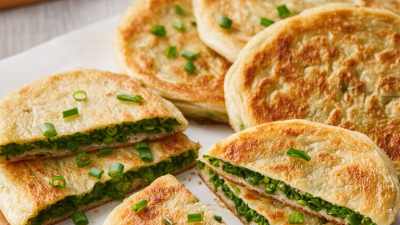
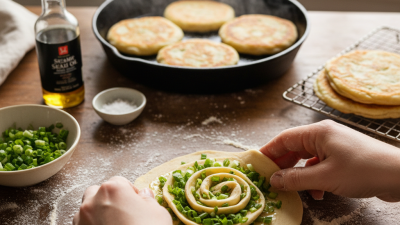
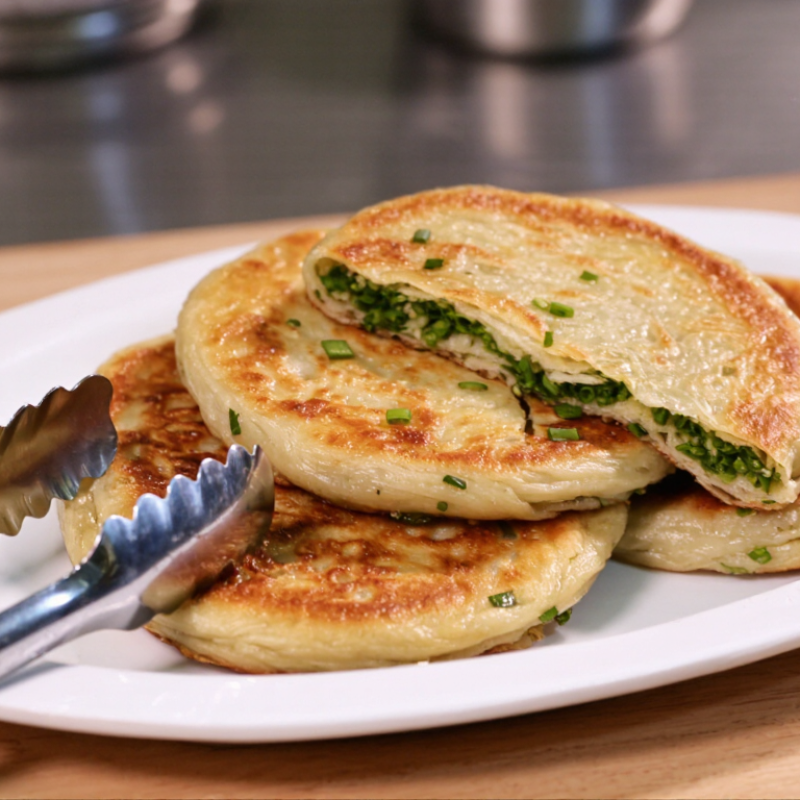
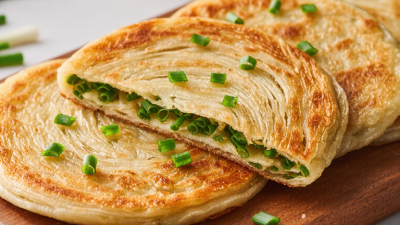
For wholesalers, a Fried Baked Scallion Pancake can offer a practical balance of familiar flavor and kitchen convenience. Its browned surface, visible green onion flecks, and layered bite give buyers clear selling points for cafés, restaurants, and food-service counters. A consistent frozen format can also help kitchens plan portions and reduce preparation steps during busy service. Less prep matters.

The product still needs to perform after cooking. Buyers should check cooking instructions, pack size, ingredient details, storage requirements, and how well the pancake holds its texture after reheating. A sample test is useful: cook it in the intended equipment, then assess crispness, aroma, and the center’s softness. Packaging claims alone are not enough. That is worth remembering.

A verified industry specialist should support any expert quotation used in a published article. For now, this proposed line needs attribution and fact-checking before publication: “[Verified expert name], [professional role], says, ‘A wholesale pancake earns repeat orders when its texture and cooking results stay dependable from batch to batch.’” The wording captures an important buying consideration, but it should not be presented as a real quotation until confirmed with the named expert. Buyers should also compare samples across suppliers; small differences in thickness or oiliness can affect service. One detail can change the result.
Why Choose Fried Baked Scallion Pancakes for Wholesale?

Product Profile: Fried-Baked Scallion Pancakes for Wholesale Foodservice

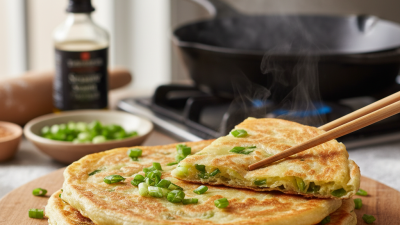
A wholesale fried-baked scallion pancake should be easy to portion, heat, and serve during a busy shift. Its appeal is tactile: a browned surface, visible scallion pieces, and a tender, layered center. For buyers, the product profile should state piece size, case count, storage conditions, cooking method, and allergen information. Clear specifications help kitchens compare suppliers and plan prep.

The National Restaurant Association’s 2024 State of the Restaurant Industry report projected U.S. restaurant sales of $1.1 trillion. That scale makes dependable preparation valuable, though a sales forecast does not guarantee demand for any single menu item. Fried-baked pancakes can work as a shared appetizer, side, or quick-serve snack. Crisp edges matter. Yet texture may soften if cooked pieces sit too long under a cover or in a crowded warmer.

Foodservice teams should test the product using their own ovens, griddles, and service timing. Record thawing instructions, cook time, yield, and holding quality before setting a menu standard. Request samples from more than one production lot. Small differences in thickness can change browning and center texture. Not perfect, but measurable. A short trial during a normal service period can reveal whether the pancake fits the kitchen’s equipment and pace.
Market Context: U.S. Frozen-Food Sales Reached $72.2B in 2022 (FMI)

U.S. frozen-food sales reached $72.2 billion in 2022, according to FMI. That figure covers a broad category, not scallion pancakes alone. Still, it shows the scale of a market where shoppers already buy frozen foods for convenience, storage, and quick preparation. For wholesale buyers, that context makes a familiar, easy-to-serve item worth evaluating.

Fried baked scallion pancakes bring crisp, browned edges and visible layers to a menu. From frozen, they can help kitchens manage stock and serve portions with less preparation than making dough from scratch. A café might offer wedges beside soup; a grocery deli could sell whole pancakes for reheating at home. Details matter. Buyers should test cooking times, texture after reheating, case size, and freezer space before placing a large order. Results can vary by equipment, and a rushed trial may miss that. The $72.2 billion figure is not a promise of sales for any single product. It is useful market context, while local demand, pricing, and preparation quality still need careful checking.

Foodservice Demand: U.S. Restaurant Sales Were Forecast at $1.1T for 2024 (NRA)

The National Restaurant Association forecast U.S. restaurant sales of $1.1 trillion for 2024. That figure signals a large foodservice market, not guaranteed growth for every restaurant. Operators still need menu items that suit their customers, budgets, and kitchen routines. Wholesale fried baked scallion pancakes can offer a flexible option for appetizers, shared plates, or quick lunch sides. Their crisp, browned surface and savory scallion aroma are easy to notice on a busy pass. Small details matter.

For buyers, the practical case is consistency. A dependable product can help kitchens manage portions and prep during uneven service, while reducing the need to make every pancake from scratch. But forecasts are not orders. Restaurant sales data alone cannot tell a buyer whether a particular item will sell locally. Test a small batch, check cook time and texture after holding, and compare portion cost with the menu price. A pancake that arrives crisp from the fryer may soften in a covered takeout box. That trade-off deserves attention. Wholesale purchasing makes most sense when product specifications, storage needs, and cooking instructions fit the kitchen’s actual workflow.

Cold-Chain Planning: FDA Guidance Sets Freezer Storage at 0°F (−18°C)

Wholesale buyers choose fried baked scallion pancakes for convenient preparation, familiar flavor, and consistent portions. But those benefits depend on careful frozen handling. FDA consumer guidance recommends keeping freezers at 0°F (−18°C) or below. For wholesale operations, treat that temperature as a practical target and verify requirements that apply to your product and facility.

A brief warm-up can soften the layers and encourage ice crystals, which may affect texture after reheating. Keep cartons frozen during receiving, check the shipment temperature, and move product promptly into a monitored freezer. Record readings, and use a calibrated thermometer rather than relying only on the display. Small gaps matter. Leave room for cold air to circulate, and avoid stacking cartons against vents.

Plan deliveries around freezer capacity and busy door traffic. Insulated staging areas can help, but they are not a substitute for timely transfer. Keep packages sealed and follow the supplier’s storage and cooking instructions; products may differ in thickness, oil content, and reheating needs. A missed temperature check is easy to dismiss. It should not be. Logs reveal patterns, though they cannot fix a weak loading routine. When a shipment arrives partly softened, document the condition and follow your food-safety procedures before accepting or using it.

Why Choose Fried Baked Scallion Pancakes for Wholesale?

Cold-chain planning: FDA temperature guidance sets the freezer benchmark at 0°F (−18°C).

For frozen wholesale products, keep the freezer at 0°F (−18°C) or colder and maintain the product frozen during storage and transport. FDA guidance also recommends keeping refrigerators at 40°F (4°C) or below; the food-safety danger zone is 40°F–140°F (4°C–60°C). These are general benchmarks, not product-specific handling instructions.

Supplier Assessment: Compare Yield, Labor Savings, Packaging, and Food-Safety Controls

When assessing fried baked scallion pancakes for wholesale, compare usable yield, not just the price per case. Weigh a sample before and after cooking, then record pieces that tear, stick, or brown unevenly. Small differences add up across a busy service. Ask suppliers for consistent piece weights and clear cooking instructions, and test both on your own equipment. A sample that performs well in one oven may behave differently on a crowded line.

Labor savings depend on more than preparation time. Check whether pancakes arrive separated, easy to portion, and ready for the kitchen’s usual workflow. Note thawing time, handling steps, and how many staff members are needed during a rush. Packaging matters, too: sturdy inner layers can limit breakage, while resealable outer cases may reduce waste after opening. Yet extra packaging can take up valuable freezer space. That trade-off deserves a real storage test.

Ask for written storage guidance, ingredient and allergen information, lot identification, and documented food-safety procedures. Verify that delivery temperatures and packaging condition are checked when goods arrive. Keep a simple receiving log. It catches problems early. No supplier assessment is perfect; staff observations can be inconsistent, and one tasting session proves little. Repeat checks across several deliveries before relying on projected yield or labor savings.

Why Choose Fried Baked Scallion Pancakes for Wholesale? — Supplier Assessment

Compare portion yield, hands-on labor, packaging, and food-safety controls before placing a wholesale order.

Assessment area Frozen, pre-portioned pancakes Made from scratch on site What the buyer should verify
Portion yield Portions are countable before cooking. Actual saleable yield depends on damaged units, cooking results, and the portion size specified by the supplier. Yield depends on dough preparation, trimming, portioning, and staff consistency; scraps and uneven portions can affect the number of saleable servings. Run a sample cook test. Record units received, units rejected, cooked portions meeting your size standard, and the reason for each loss.
Hands-on labor A pre-portioned product can reduce dough mixing, rolling, filling, and portioning work. Cooking and handling are still required. Staff perform preparation as well as cooking, which may require more hands-on time and workspace. Illustrative planning calculation only: at 100 portions, 20 seconds of handling per prepared unit is about 0.56 labor hours; 90 seconds of scratch preparation per portion is 2.5 hours. The 1.94-hour difference uses assumed times, excludes cooking and cleanup, and is not an industry benchmark. Time a real production run before budgeting.
Packaging and storage Sealed frozen packs can support portion control and inventory rotation. Package size, unit count, and storage life vary by supplier and product specification. Ingredients and prepared dough require suitable food-grade containers, date marking where required, and space for refrigerated or frozen storage. Confirm net weight, units per pack and case, package integrity, storage instructions, lot identification, and date coding. Example arithmetic: 40 units × 100 g per unit = 4 kg net product; this is a sample specification, not a standard pack size.
Food-safety controls Controls should include receiving inspection, frozen storage as directed on the label, safe thawing if applicable, and preparation according to the product’s cooking instructions. The operation must also control ingredient receiving and storage, hygienic preparation, cross-contamination, and any required date marking. Check applicable local requirements and the product label. The FDA Food Code uses 41°F (5°C) or below for cold holding and 135°F (57°C) or above for hot holding; these are holding limits, not cooking instructions. Verify cooking with the required process and a calibrated thermometer.
Supplier decision May suit operations prioritizing consistent portions, simpler preparation, and predictable pack counts, provided the product meets quality and safety requirements. May suit operations prioritizing in-house recipe control and flexibility, provided staff time, equipment, and preparation controls are available. Compare delivered cost per saleable cooked portion—not price per case alone—alongside measured labor, cooking performance, pack specifications, and documented safety procedures.

Note: Example times and pack dimensions are explicitly illustrative assumptions for buyer planning, not claims about typical suppliers or industry averages.