Leave Your Message

Top 10 Green Onion Pie Suppliers for Global Buyers

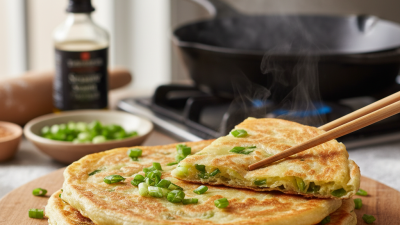
Green Onion Pie may look simple: a thin dough, chopped scallions, oil, and a hot griddle. For global buyers, the details are less simple. Suppliers differ in dough texture, filling ratio, cooking method, freezing performance, and packing format. A pie that arrives crisp in one market may turn soft after a long shipment. Small differences matter.

This guide compares ten suppliers through practical buyer concerns: product consistency, production capacity, export experience, packaging, customization, and communication. It also points to questions worth asking, such as how suppliers control scallion distribution and protect the pie from freezer burn. A polished catalogue is useful, but it cannot replace samples and clear specifications.

The expert quotation below is an illustrative editorial line, not a verified statement from a real person. Fictional sourcing adviser Daniel Wu puts the buyer’s challenge this way: “A good Green Onion Pie should taste familiar after the journey, not just on the factory floor.” That is a useful test, though it leaves room for debate: texture and seasoning preferences vary by market. Buyers should confirm them with local tasters before placing large orders. Supplier rankings can guide a shortlist, but they are not guarantees. Check current product details directly, compare samples under realistic preparation conditions, and document agreed standards. A few questions may feel tedious. They can prevent costly surprises.
Top 10 Green Onion Pie Suppliers for Global Buyers

Green Onion Pie: Product Types, Ingredients, and Market Overview

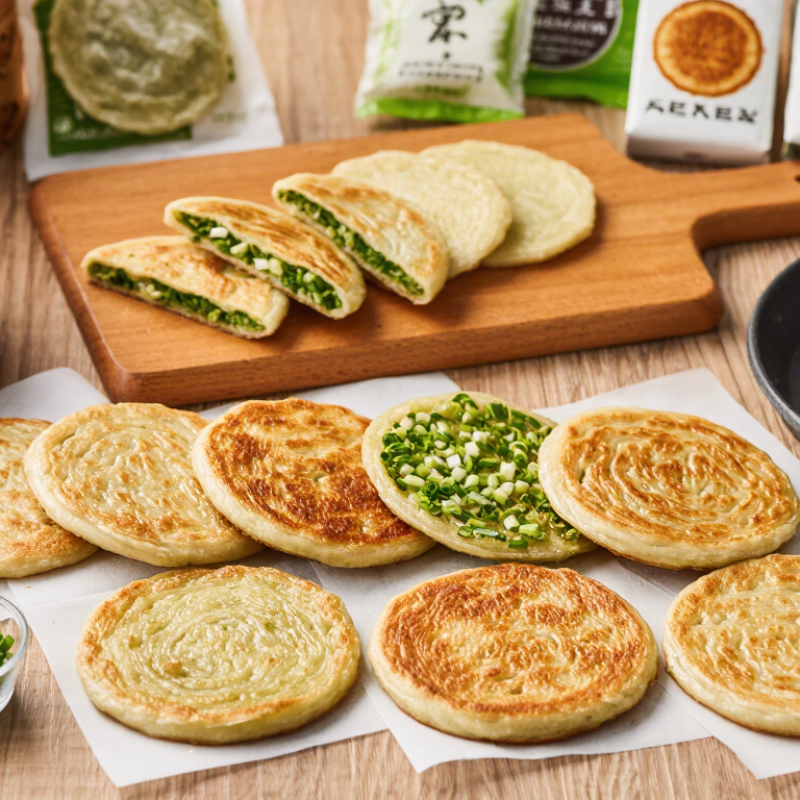
Green onion pies vary in shape, thickness, and cooking method. Some are flaky and layered, while others have a soft, chewy center. The dough usually combines wheat flour, water, oil, and salt. Chopped green onions provide the main savory flavor, sometimes supported by sesame oil or mild spices. Fresh and frozen versions serve different needs. It varies.

Frozen pies are convenient for food-service kitchens and distributors managing longer supply chains. Chilled or freshly prepared pies may suit local retail, but require faster handling. For global buyers, the market includes retail packs, bulk food-service formats, and products designed for pan-frying or baking. Demand can reflect convenience, familiar flavors, and interest in shareable snacks, though preferences differ by region. Compare ingredient declarations, portion size, cooking instructions, and packaging performance. Request samples and test them using the equipment available to your customers. A crisp edge matters. It is also worth checking whether texture holds after transport and reheating; product descriptions alone cannot answer that. Some comparisons may feel tedious, but skipping them can lead to avoidable quality surprises.

Top 10 Green Onion Pie Suppliers for Global Buyers — Product Types, Ingredients, and Market Overview
No. Supplier Category Common Product Types Typical Ingredients Common Supply Formats Buyer Considerations
1 Frozen Asian flatbread manufacturers Scallion pancakes, layered green onion flatbreads Wheat flour, water, scallions, oil, and salt; recipes vary by producer Frozen, uncooked or par-cooked pieces; retail or foodservice packs Confirm cooking method, piece size, storage temperature, and whether the product requires thawing.
2 Chinese regional specialty food producers Chinese-style cong you bing and regional green onion pies Wheat-based dough, green onions, cooking oil, and seasonings Frozen retail packs, bulk foodservice packs, or locally distributed chilled products Ask about regional recipe differences, ingredient specifications, and export-ready labeling.
3 Frozen dumpling and dim sum manufacturers Scallion pancakes and other savory frozen flour-based snacks Usually flour, water, scallions, oil, and salt; additional ingredients depend on the recipe Frozen, individually separated pieces or stacked packs Check for shared production lines and allergen cross-contact controls, especially for wheat and sesame.
4 Paratha and layered flatbread manufacturers Layered scallion flatbreads and green onion paratha-style products Wheat flour, water, oil or fat, scallions, and salt Frozen, uncooked or partially cooked; foodservice and retail sizes Verify the type of fat or oil used and whether the product meets the buyer’s dietary and labeling requirements.
5 Asian bakery and savory pastry producers Baked or pan-ready green onion pastries and pies Flour-based pastry or dough, green onions, oil or fat, and seasonings Frozen or chilled, depending on the product and distribution system Confirm whether the item is a laminated pastry, a flatbread, or a filled pie; these products are not interchangeable.
6 Private-label frozen food co-packers Custom-branded scallion pancakes or green onion flatbreads Buyer-approved formulation; commonly flour, water, scallions, oil, and seasonings Retail-ready packs or bulk cases, subject to production capabilities Discuss minimum order quantities, packaging artwork, recipe ownership, production lead times, and quality specifications.
7 Export-oriented frozen food processors Frozen green onion pies prepared for international distribution Recipe-dependent; obtain the full ingredient declaration and allergen statement for each item Export cartons with product and storage details specified by the processor Review destination-country import rules, cold-chain arrangements, shelf-life evidence, and required certificates.
8 Foodservice-focused frozen food suppliers Large-format or bulk-packed scallion pancakes for restaurants and caterers Commonly flour, water, scallions, oil, and salt; formulations vary Bulk frozen cartons designed for commercial kitchens Compare portion size, case quantity, preparation time, and consistency between production batches.
9 Specialty and natural-food producers Green onion flatbreads with simplified or specially specified ingredients May use different oils, flours, or seasoning levels; check the actual product specification Frozen retail packs or made-to-order batches Do not assume a product is organic, non-GMO, vegan, or free from a particular allergen; request valid documentation.
10 Regional frozen-food distributors and importers Green onion pies sourced from multiple manufacturers Varies by sourced product and manufacturer Local wholesale, foodservice, or retail distribution Ask for the original manufacturer’s details, ingredient and allergen information, traceability records, and storage conditions.
Market and product note: This is a category-based sourcing overview, not a ranking of named companies. “Green onion pie” may refer to scallion pancakes, layered flatbreads, or other regional products. Ingredients, cooking instructions, certifications, and pack formats vary by manufacturer; buyers should verify the current product specification and applicable import requirements before ordering.

How Global Buyers Can Evaluate Green Onion Pie Suppliers

Global buyers evaluating green onion pie suppliers should look beyond the price per carton. Ask for a written product specification covering diameter, weight, filling ratio, dough thickness, and cooking instructions. Request samples from a routine production batch, not only a polished showcase. Small differences matter. A pie that browns evenly in a test kitchen may soften after long storage.

Check how ingredients are sourced and controlled. Ask whether green onions are inspected for freshness, trimmed consistently, and kept under documented temperature controls. Review allergen procedures, sanitation records, and batch traceability. If available, examine recent third-party audit findings and corrective actions, rather than relying on certificates alone. Paperwork helps, but it does not prove every shift follows the same routine. That deserves a closer look.

Test performance under your actual conditions: shipping duration, freezer capacity, oven type, and service pace. Record thawing, cooking time, texture, aroma, and breakage after handling. Confirm packaging protects individual pies and displays clear storage and preparation details. Compare lead times, minimum order quantities, and the process for reporting delays or quality issues. One trial is not enough. I would repeat it, even when the first result looks convincing. Request export documents and agree on how specification or recipe changes will be communicated before ordering. Slight friction now can prevent avoidable surprises later.

Top 10 Green Onion Pie Suppliers: A Global Buyer Evaluation Framework

Suggested evaluation weights for comparing suppliers—not supplier rankings or measured market data. Adapt the criteria to your product specification and destination-market requirements.

How to use it: Score each supplier against these criteria, then apply the weights to compare total results. Verify food-safety documentation, traceability, product specifications, and import requirements for your destination market.

Key Factors for Comparing Supplier Capabilities and Products

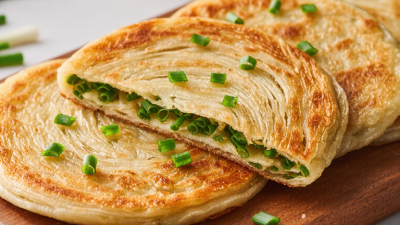
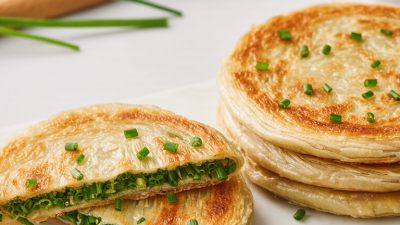
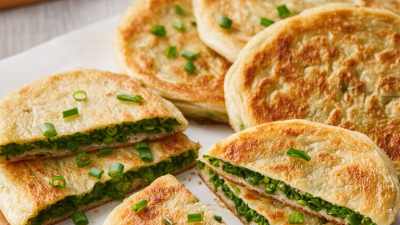
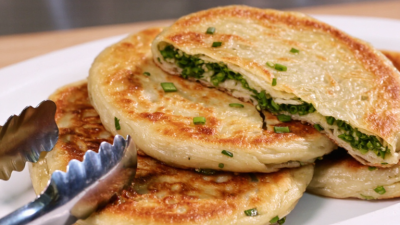
Compare suppliers on measurable product and process details, not quoted price alone. Request the piece weight, diameter, filling ratio, and scallion percentage. A cut pie should show visible green onion across the filling, not just a heavy dough rim. Ask for samples from different production batches, then record cooking time, browning, oiliness, and breakage after thawing. Small details matter. FAO’s 2023 SDG Progress Report estimated that 13.2% of food was lost between harvest and retail in 2021. For buyers, this underscores the value of documented sourcing, batch traceability, and clear handling records.

Check whether suppliers can hold product specifications across seasonal changes in scallion supply. Compare frozen or chilled formats, packaging strength, minimum order quantities, lead times, and temperature-monitoring records. UNEP’s Food Waste Index Report 2024 estimated that 1.05 billion tonnes of food were wasted worldwide in 2022, across households, food service, and retail. It does not measure supplier losses specifically, but reliable pack sizes and delivery planning can help buyers avoid excess stock. Ask for allergen statements and food-safety audit documents, too. One caveat: a polished specification sheet is not proof of consistent production; compare it with sample results and shipment records.

Profiles of Ten Green Onion Pie Suppliers for Global Buyers

Global buyers assessing green onion pie suppliers should compare production models, not rely on product photos alone. The ten profiles commonly worth screening include: a regional bakery using fresh-cut onions; a frozen-food specialist; a handmade-pastry workshop; a large-scale contract manufacturer; a supplier focused on vegetarian recipes; a private-label producer; an exporter experienced with chilled shipments; a maker offering multiple pastry formats; a supplier with traceable onion sourcing; and a flexible small-batch producer. These are sourcing profiles, not a verified ranking of named companies.

Ask each candidate for ingredient specifications, allergen controls, batch records, and storage instructions. Inspect the pastry after baking: the base should stay crisp, while the onion filling should be moist, not watery. Request samples from more than one production batch. Small differences matter. A pie can look convincing and still soften during transport.

Logistics deserve equal attention. FAO reported that 13.2% of food was lost after harvest and before retail in 2021; this broad food-loss measure is not specific to pies, but highlights the value of careful handling. For frozen products, check temperature records, carton strength, and thawing guidance. For chilled pies, confirm shelf-life evidence and delivery timing. Some supplier documents may look complete yet omit practical details, such as how long a sealed carton can remain outside cold storage. That gap deserves follow-up.

International Sourcing, Packaging, and Shipping Considerations

For international buyers, supplier selection should begin with product specifications, not price alone. Confirm pie diameter, dough thickness, filling ratio, cooking instructions, and whether the product ships frozen or chilled. Request samples from a production batch, then assess texture after thawing and cooking. A crisp edge can soften during transit. Ask for recent temperature records and documented shelf-life data before placing a large order.

Packaging needs to protect both the food and the shipment. Individual sealed packs help limit moisture loss and freezer burn, while sturdy outer cartons reduce crushing during pallet handling. Check carton dimensions, net weight, stacking limits, and pallet configuration against your warehouse equipment. Labels should match the destination market’s language and required product information. Requirements vary, so confirm them with a qualified local importer or customs professional.

Shipping plans should account for transit time, port delays, and temperature-controlled storage at each transfer point. Agree on the acceptable temperature range, monitoring method, and response if a shipment arrives warm. Get it in writing. Also compare lead times, minimum order quantities, and production capacity during peak seasons. Even careful plans miss something; a trial shipment can reveal weak packaging or slow handoffs before regular orders begin.