Leave Your Message

What Are the Top Original Finger Cake Types for Buyers?

Original Finger Cake buyers face a deceptively simple choice: which shape, texture, and finish best suits their customers? The name can describe delicate sponge fingers, crisp-edged biscuits, or soft, decorated mini cakes. Product labels do not always make those differences clear. Texture matters.

The familiar line often credited to chef and food writer Julia Child, “A party without cake is just a meeting,” hints at the role these small treats can play. For buyers, though, charm must meet practical needs. A café may value a tender crumb beside coffee, while a caterer may need neat portions that travel well. Retailers may focus on shelf life, packaging, and consistent sizing. Each choice changes the best Original Finger Cake type.

This guide compares classic sponge-style fingers, filled versions, iced designs, and other buyer-friendly formats. It considers texture, appearance, serving occasions, and handling—not just flavor. Look closely at ingredient details and sample products when possible; photographs rarely show whether a cake is dry, fragile, or pleasantly soft. A caveat: “original” can mean different things across suppliers and markets. That uncertainty deserves a closer look, not a quick assumption.
What Are the Top Original Finger Cake Types for Buyers?

What Defines an Original Finger Cake?

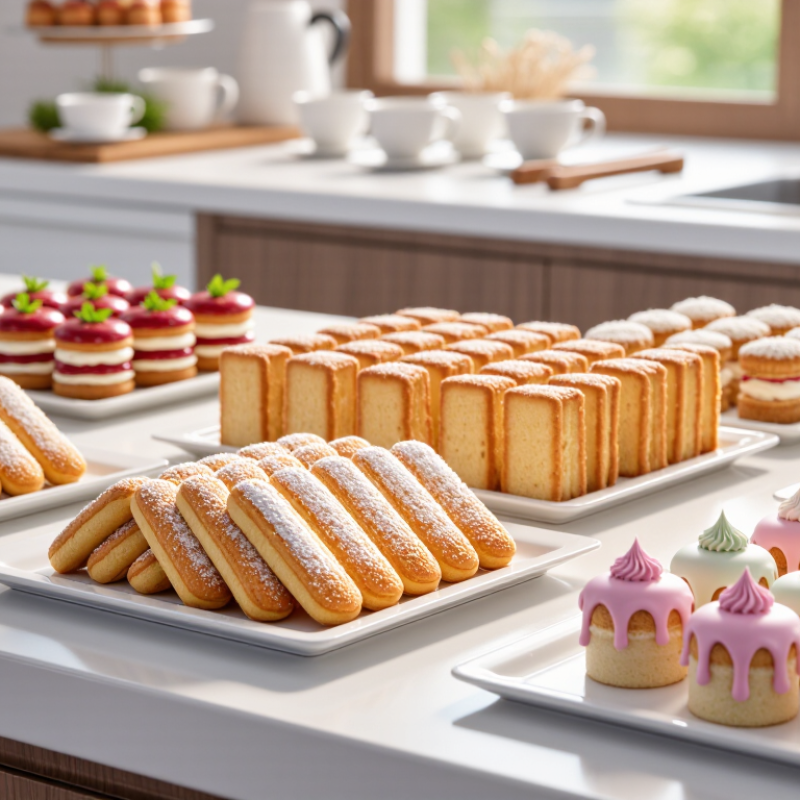
An original finger cake is generally a slim, finger-shaped sponge cake, rather than a cake defined by one fixed recipe. Its crumb should feel soft and spring back gently when pressed. A mild vanilla flavor is common, with a thin layer of jam, cream, or both. The top may have simple icing or a light scattering of decorations. That shape matters. Exact size and toppings vary by region and bakery, so “original” can be an imprecise label. A handmade cake may also have small differences in height or icing.

Tips: Check the cut edge for an even, moist crumb, and ask what fills the cake. Look for icing that sits neatly without hiding the sponge. If buying several, compare their shape and finish in person when possible.

For buyers, a traditional style usually means a straightforward sponge, familiar filling, and restrained decoration—not an unusual flavor or heavy coating. Freshness is important: the cake should smell clean and feel tender, not dry at the ends. I would not judge quality by appearance alone; glossy icing can look appealing while the sponge underneath is stale. Recipes differ, and that is worth remembering when comparing bakeries.
Which Classic Finger Cake Types Are Most Popular?

Classic finger cakes remain popular because their shapes are easy to recognize and serve. Ladyfingers are light, dry sponge biscuits, often paired with coffee or layered desserts. Éclairs offer a softer option, with choux pastry, cream filling, and a glossy finish. In British bakeries, iced finger buns bring a tender, lightly sweet crumb and a simple icing top. Chocolate-dipped sponge fingers add a crisp coating and suit small treat displays.

Puratos’ 2024 Taste Tomorrow study surveyed 20,000 consumers across 50 countries about food choices, taste, and texture. It provides useful global context, but it does not rank finger cakes by sales. So these types are best viewed as familiar classics, not a definitive popularity list. That distinction matters: local bakery habits can differ, and I may be overlooking regional favorites.

Tips: Buyers should check crumb texture, filling stability, and shelf life before ordering. Keep iced buns covered to prevent drying, and package filled éclairs chilled. A small mixed batch can reveal which styles customers actually choose.

How Do Finger Cake Styles Differ in Flavor and Texture?

Finger cakes can range from airy sponge fingers to soft, iced cake bars, and their textures shape the eating experience. Sponge fingers feel light and slightly dry at the edges, with a gentle egg-and-vanilla flavor. They suit coffee or layered desserts because they absorb moisture without becoming heavy too quickly. Iced finger cakes are usually softer and sweeter. A thin sugar glaze adds a faint crispness before giving way to a tender crumb. Simple, but not dull.

Filled styles bring another contrast. A slim layer of jam adds tartness and a little stickiness, while cream filling makes each bite richer and smoother. Buyers can look for an even crumb, a fresh aroma, and filling that stays centered rather than squeezing out. Packaging matters, too: delicate sponge may crumble during transport, while a firmer cake bar can travel better. I would not call one texture best. A dry sponge can seem disappointing on its own, yet work beautifully with tea or fruit. Taste preferences vary, and even the same style can feel different when freshly baked.

What Are the Top Original Finger Cake Types for Buyers?

Typical flavor and texture profiles of popular finger cake styles, rated on a 1–5 scale. Scores are illustrative and can vary by recipe.

Plain and sugar-dusted sponge fingers are generally lighter and crisper, while chocolate-coated and cream-filled styles tend to taste richer and feel softer.

What Should Buyers Consider When Comparing Finger Cakes?

When comparing finger cakes, start with texture and intended use. A dry, crisp cake may hold its shape in layered desserts, while a softer sponge suits serving plain with tea. Check the cut edges and crumb: they should look even, without dense patches or excessive crumbling. Small differences matter.

Read the ingredient list and compare egg, flour, sugar, and any flavorings. If guests have dietary needs, check allergen information rather than relying on appearance. Cake size also affects value. Measure a few pieces; “finger-sized” can vary noticeably between suppliers. Ask for a sample when possible. One bite helps.

Packaging and freshness deserve attention. A sealed pack should protect the cakes from moisture and breakage, and the date should leave enough time for your planned use. For a café or event, consider how consistently the pieces arrive in size and color. A low price can be appealing, but damaged cakes create waste. I would still compare more than one batch; a sample may not show every variation.

What Are the Top Original Finger Cake Types for Buyers? — What Should Buyers Consider When Comparing Finger Cakes?

Finger Cake Type Typical Characteristics Best Suited To Key Comparison Points for Buyers
Classic Savoiardi (Ladyfingers) Light, airy sponge biscuits, usually with a dry exterior and a lightly sweet finish. They absorb liquid readily. Tiramisu, trifles, charlottes, and other layered desserts. Check the biscuit’s firmness and dimensions. Firmer pieces are easier to arrange in layers; very absorbent pieces may soften quickly when dipped.
Soft Sponge Fingers Tender, moist sponge cakes with a softer bite than traditional dry ladyfingers. Eating as a snack, serving with tea, or using in desserts where a soft texture is preferred. Compare softness, freshness, and how well the pieces hold their shape. They may be less suitable for recipes that require repeated dipping or extended layering.
Sugar-Dusted Finger Biscuits Finger-shaped sponge biscuits finished with a coating or dusting of sugar; the surface is typically sweeter than an uncoated version. Serving with coffee or tea, dessert platters, and recipes where a sweet finish is welcome. Review the ingredient list and sweetness level. Consider whether the added sugar suits the intended recipe and the preferences of the people being served.
Chocolate-Coated Finger Cakes Sponge fingers or cake fingers partly or fully covered with chocolate or a chocolate-style coating. Snacking, gifting, and dessert platters. Check the coating type, cocoa or chocolate ingredients, allergen information, and storage guidance. Coatings can soften or become marked if exposed to heat.
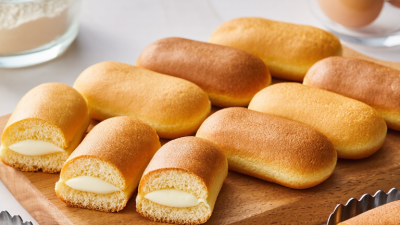
Filled Finger Cakes Finger-shaped sponge cakes containing a filling, such as cream or a sweet fruit-flavoured layer. Ready-to-eat snacks and bakery assortments. Compare filling ingredients, sweetness, shelf-life instructions, and storage requirements. Products with perishable fillings may require refrigeration.
Gluten-Free Finger Biscuits Finger-shaped biscuits made without gluten-containing grains; recipes and textures vary by manufacturer. Buyers avoiding gluten, subject to individual dietary needs and product-label details. Read the full ingredient and allergen statements, including any cross-contact warnings. Texture and liquid absorption may differ from conventional savoiardi.

Buyer checklist: Compare the intended use, texture, size, sweetness, ingredient and allergen information, package condition, freshness date, and storage instructions. Product formulations and characteristics can vary, so check the label on the specific item.

How Can Buyers Choose the Right Finger Cake for Their Needs?

Choosing a finger cake begins with the serving moment, not the display case. Plain sponge fingers work well for dipping or layered desserts. Chocolate-coated versions travel neatly, though their sweetness can dominate. Cream-filled or fruit-topped cakes look generous, but need gentler handling and reliable chilling. Texture matters.

Use buyer priorities to narrow the options. The International Food Information Council’s 2024 Food & Health Survey found that taste influenced 85% of respondents’ food and beverage purchases; price influenced 76%, and healthfulness 60%. The survey covers food broadly, not finger cakes specifically, so treat it as context, not a forecast. Compare cost per serving, portion size, ingredient lists, and stated storage life. Ask suppliers for a sample from the actual production batch, then check whether the crumb stays tender after several hours. Small details count.

For cafés, choose a shape that sits neatly beside coffee and leaves little crumb mess. For catering, uniform size and stable coatings make trays easier to portion. Check allergen information and packaging integrity before ordering, and confirm delivery conditions for filled varieties. I would not choose by appearance alone: a glossy cake can still have a dry center. Trial a modest quantity first; customer feedback may challenge your assumptions.